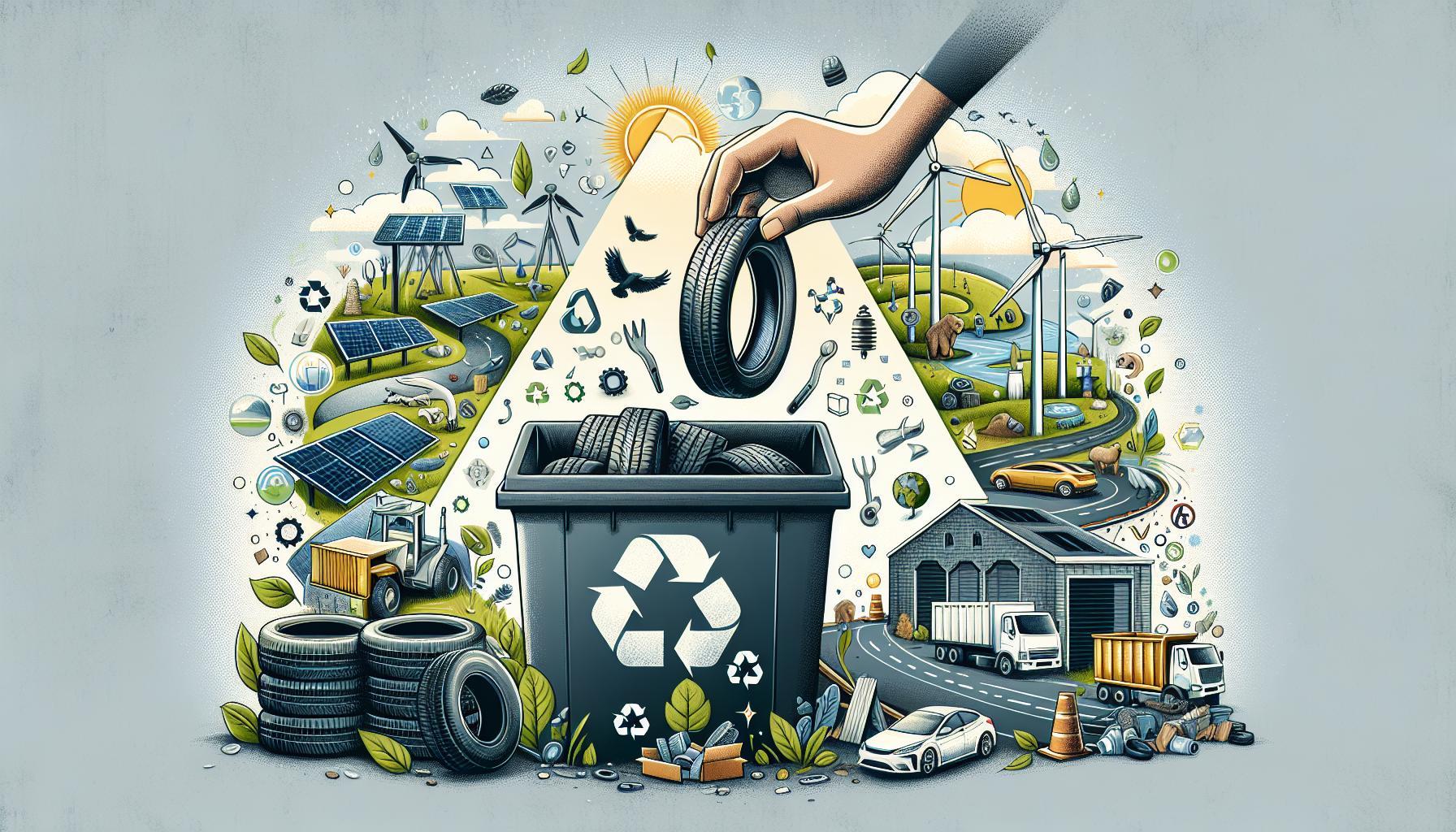

Did you know that nearly 300 million tires are discarded in the U.S. every year? Properly recycling old tires is crucial for environmental health, as they can take decades to decompose and often end up in landfills, posing serious ecological threats. Luckily, you don’t have to feel burdened by this issue; there are numerous no-cost disposal options available for your worn tires.
If you’re looking to make a positive impact by responsibly disposing of your tires without the added cost, you’re in the right place. Understanding your recycling options not only helps reduce waste but also supports community initiatives aimed at keeping our environment clean. In this article, we’ll explore various locations and programs that offer free tire recycling, empowering you to contribute to a sustainable future. Continue reading to discover how easy it can be to recycle tires and make a meaningful difference in your community.
Where to Find Free Tire Recycling Locations
Finding no-cost options for recycling your used tires can significantly impact our environment positively. Proper tire disposal prevents rubber from languishing in landfills and reduces pollution and fire hazards. Fortunately, many local resources are available to assist you in responsibly recycling your tires without incurring any fees.
Public and Community Programs
Many municipalities run tire recycling programs, particularly during community clean-up events. These initiatives often allow residents to drop off unwanted tires at designated locations for free. Checking your local government’s waste management website can provide information on upcoming events or permanent drop-off sites. For example, New York State has established recycling programs under the Waste Tire Management and Recycling Act, aiming to facilitate the responsible disposal of waste tires throughout the state. You can learn more about these initiatives by visiting sites like Recycle Right NY.
Non-Profit Organizations
Non-profit organizations often host tire recycling events, offering services at no cost to the public. These organizations might also collaborate with local governments to increase awareness about the importance of tire recycling. You can explore options in your area by reaching out to local environmental groups or searching for community clean-up events that include tire disposal. They can provide important information on when and where these events take place, making it easier to safely and responsibly dispose of your old tires.
Retailers and Auto Shops
Many tire retailers and auto shops offer free tire recycling services as part of their business model. They may allow customers to drop off their old tires when purchasing new ones or provide specific days for community drop-offs. This not only helps the environment but also encourages customers to return to purchase new tires. Local tire retailers like Hoopers Tire Outlet can provide information on their recycling programs and policies.
By utilizing these resources, community members can effectively participate in tire recycling initiatives, ensuring that old tires are handled responsibly while fostering a culture of environmental stewardship. Always remember to confirm any specific requirements or limitations for tire drop-off, as these may vary by location.
Understanding the Importance of Recycling Tires
Recycling tires is more than just a responsible practice; it’s a critical step toward creating a sustainable environment. Each year, approximately 300 million tires reach the end of their life cycle in the U.S. alone. When disposed of improperly, these tires can cause a multitude of problems, including environmental pollution and health hazards. Instead, recycling tires can transform this waste into valuable resources, reducing the strain on landfills and minimizing carbon footprints.
The importance of tire recycling lies not only in waste reduction but also in resource conservation. For instance, recycled tires can be repurposed into various products, including asphalt for road construction, playground surfaces, and even flooring for sports facilities. This circular approach to tire disposal not only mitigates waste but also supports the economy by creating jobs in the recycling industry. Moreover, by recycling tires, we can significantly reduce the risk of hazards such as tire fires, which can release toxic fumes and have devastating impacts on local ecosystems.
Engaging in tire recycling initiatives enables communities to take collective action against environmental degradation. Participating in local recycling programs, which often operate on a no-cost basis, empowers individuals to contribute positively to their neighborhoods and the planet. Communities can foster a culture of sustainability by organizing clean-up drives that promote responsible tire disposal. By participating in these efforts, residents not only gain awareness of waste management issues but also inspire others to adopt eco-friendly practices.
Ultimately, prioritizing tire recycling is a proactive approach to conserving resources, protecting public health, and fostering community resilience. As individuals and communities embrace these practices, we can work together to forge a greener, more sustainable future.
Local Government Recycling Programs and Initiatives
In many regions, local government recycling programs play a crucial role in promoting sustainable practices and facilitating the proper disposal of tires-one of the more challenging waste types to manage. These programs often aim to reduce landfill use, mitigate environmental impact, and encourage community involvement. In addition to being free, local government initiatives frequently offer educational elements that inform residents about the importance of recycling tires and how to do it responsibly.
Many municipalities organize periodic tire collection events, where residents can bring their old tires for recycling without any cost. These events are particularly effective in communities with a high number of used tires, helping to prevent illegal dumping and promoting a cleaner environment. For example:
- City Recycling Days: Some cities designate certain days specifically for tire collection, allowing residents to drop off tires at designated locations.
- Mobile Collection Units: Many local governments deploy mobile units that travel to different neighborhoods, making it easier for residents to access recycling services.
- Partnerships with Local Waste Facilities: Local governments often collaborate with waste management companies to provide drop-off locations that accept tires for recycling.
Community outreach is a vital aspect of these programs. Local governments may organize workshops to educate the public about the benefits of tire recycling and the environmental hazards associated with improper disposal. This outreach fosters a sense of responsibility and increases participation rates in recycling initiatives. In addition to tire collection events, municipalities often provide resources and information online, detailing where residents can find free tire recycling options throughout the year.
By taking advantage of government-sponsored programs, individuals not only contribute to reducing waste but also become part of a collective effort to protect and enhance their local environment. Engaging with these initiatives shows how local action can lead to significant positive change, encouraging a culture that values sustainability and responsible waste management.
Non-Profit Organizations Offering Tire Disposal
Many communities are supported by dedicated nonprofit organizations that focus on sustainable waste management and environmental protection. These groups often provide no-cost tire disposal options, allowing residents to recycle tires responsibly while contributing to a cleaner environment. By collaborating with local governments and community members, these organizations strive to minimize the ecological impact of tire waste and educate the public on the benefits of recycling.
One prominent example is the Tire Recycling Service of Long Island, NY, which actively seeks to collect tires of any condition for complete destruction and material recovery rather than resale. This approach ensures that the collected tires are effectively processed and do not contribute to landfill overflow or illegal dumping. Community members can contact them for free estimates on tire collection pickups, making the recycling process both accessible and efficient [[2]].
Similarly, programs like Liberty Tire Recycling transform end-of-life tires into safe, eco-friendly products through their comprehensive recycling services. Organizations like this often engage in partnerships with local businesses, fostering community relationships and facilitating educational outreach. They provide resources to help residents understand the environmental impact of improper tire disposal and the importance of recycling, driving home the point that every small action can contribute to a larger movement towards sustainability [[1]].
By participating in these nonprofit-led initiatives, individuals can take proactive steps toward responsible tire disposal. Not only do these organizations prioritize environmental stewardship, but they also promote community engagement, empowering people to play a vital role in shaping a healthier planet. The collaborative nature of these programs encourages residents to look beyond their immediate concerns and consider the broader implications of waste management, reinforcing the message that sustainability is a collective effort.
Retailers and Auto Shops with Free Recycling Services
When it comes to recycling tires, many retailers and auto shops offer complimentary services that make it easy for consumers to dispose of their old tires responsibly. This is a win-win situation: not only do you clear out unwanted tires, but you also contribute to a more sustainable environment. Many of these businesses see tire disposal as a means of customer service, providing a convenient option during routine vehicle maintenance or tire replacement.
Large retailers like Discount Tire are known for their recycling initiatives. When you purchase a new set of tires, they often include tire disposal in the service, allowing customers to leave their old tires without the hassle of finding a recycling center themselves [[2]]. Such services can significantly reduce tire waste and encourage more people to recycle, as these shops simplify the process. For customers unsure about their options, calling ahead or checking online can reveal local auto shops participating in similar programs, and many are willing to accept tires regardless of where they were purchased.
Another excellent example is Bob’s Tire Company, which provides tire collection services for various types of tires, ensuring that they are recycled in an eco-friendly way. This company has been operating since 1976, demonstrating its commitment to responsible waste management practices in the New England and New York regions. Engaging with your local tire retailers can uncover these hidden resources and help you play an active role in tire recycling.
Moreover, many independent auto repair shops are equally invested in sustainability. They recognize that by offering free tire recycling, they can improve their community reputation and increase customer loyalty. Don’t hesitate to ask your local mechanic if they accept tires for recycling; chances are, they either do or can direct you to a nearby facility. By taking advantage of these accessible services, consumers can ensure their used tires are properly handled, supporting both community businesses and environmental health.
Creative Upcycling Ideas for Old Tires
Transforming old tires into new, creative items not only reduces waste but also adds a unique flair to your home and garden. Rather than discarding tires, consider these innovative upcycling ideas that showcase both functionality and style.
Garden Planters
Old tires make excellent garden planters, offering a rustic aesthetic while providing ample space for plants. You can stack tires for a tiered look or paint them in bright colors to add vibrancy to your garden. Tips for creating tire planters:
- Cut the tire in half for a shallow planter.
- Punch drainage holes in the bottom to prevent water accumulation.
- Fill with soil and compost for healthy plant growth.
Outdoor Seating
Why not turn tires into functional outdoor seating? By covering them with cushions, you can create comfortable spots for relaxation. For a cohesive design, arrange several tires together, or integrate them into a larger furniture piece. Consider adding covers made from durable outdoor fabric to enhance longevity and aesthetics.
Tire Swings
A classic option for anyone with children or even for adults seeking nostalgic fun is the tire swing. Simply suspend a tire securely from a sturdy tree branch or swing set, ensuring it’s hanging at a safe height. This timeless addition provides hours of outdoor enjoyment while promoting active play.
Artistic Sculptures
For the creatively inclined, old tires can be repurposed into eye-catching sculptures or decorative art pieces. You can cut, twist, and paint tires to transform them into unique figures, animals, or abstract art. This approach encourages community involvement, as local art projects can engage residents in showcasing their creativity while promoting sustainability.
These ideas not only contribute to waste reduction but also inspire imagination and DIY spirit. Engaging in upcycling encourages a deeper connection with your environment and promotes a culture of recycling and sustainability. By giving old tires a new life, you can play an essential role in reducing landfill waste while enhancing the beauty and functionality of your surroundings.
How to Prepare Tires for Recycling
When it comes to recycling tires, proper preparation is essential not only for your own convenience but also for the efficiency of the recycling process. Each tire carries a ton of material that, when processed correctly, can be transformed into new products, thereby minimizing environmental impact. Taking a few simple steps before dropping off your tires can make a significant difference in how they are handled during recycling.
To start, it’s important to clean your tires to the best of your ability. Remove any debris, mud, or gravel that might be stuck in the tread or sidewalls. While it’s not necessary to scrub them spotless, ensuring they are generally clean helps prevent contamination during the recycling process. If your tires are still affixed to wheels, it’s advisable to remove the rims if possible, as many recycling facilities prefer tires without them. However, many locations do accept tires that still have their rims attached, so checking with your chosen facility beforehand is beneficial.
Next, check whether your tires contain any non-standard materials such as tire pressure monitoring sensors or embedded metal parts. If they do, make sure to inform the recycling facility staff, as these materials may require special handling. To streamline the drop-off process, it’s best to visit a recycling location that has specific guidelines regarding tire preparation. Many tire recycling centers offer educational resources regarding what they can accept, which may include information on how to properly prepare your tires.
Ultimately, the goal is to ensure your tires are ready for recycling without adding any complications that could slow down the process or compromise the quality of the recycled materials. With some simple preparation steps, you not only facilitate a smoother recycling experience but also contribute positively to environmental sustainability, showing that responsible disposal is a community effort. By adopting these practices in tire disposal, you take an active role in reducing landfill waste and promoting recycling in your area.
Environmental Impact of Tire Disposal and Recycling
Disposing of tires improperly poses a significant threat to our environment, with millions of used tires ending up in landfills or illegally dumped every year. When tires are discarded irresponsibly, they can leach harmful chemicals into the soil and waterways while taking centuries to decompose. In stark contrast, tire recycling serves as a beacon of hope, turning these potential environmental hazards into valuable resources. By recycling tires, we can recover vital materials like rubber, steel, and fiber, reducing the need for new raw materials and significantly lowering greenhouse gas emissions associated with tire production.
Recycling tires also presents an opportunity to combat illegal dumping, which is not only an environmental concern but a public health issue as well. Communities can implement easier access to tire recycling facilities as part of local government initiatives, thereby promoting responsible disposal methods. Programs aimed at providing no-cost or low-cost recycling options help remove the financial barriers that often prevent individuals from disposing of tires properly. Local businesses, auto shops, and non-profit organizations can collaborate to create awareness around these services, making it accessible for everyone.
Moreover, the benefits of tire recycling extend beyond environmental protection; they foster economic growth by creating jobs in recycling and recovery industries. By converting old tires into products such as asphalt for roads, playground surfaces, and even paving materials, communities can invest in sustainable infrastructure while simultaneously addressing waste management challenges. Encouraging creative upcycling projects can also reinvigorate local initiatives, inspiring local artists and community members to find innovative ways to reuse scrap tires rather than letting them contribute to landfills.
Ultimately, the positive environmental impacts of tire recycling are profound. When managed effectively, tire recycling reduces landfill waste, minimizes toxic runoff, and promotes a circular economy. Each individual’s efforts in proper tire disposal contribute to a collective movement toward sustainability. By participating in local tire recycling programs and promoting awareness about available resources, everyone can play a part in this essential environmental initiative, transforming a potential nuisance into a thriving asset for our communities.
Alternatives to Traditional Tire Recycling Methods
Finding can be an innovative way to manage old tires while promoting sustainability. While conventional recycling programs are invaluable, creativity in reusing tires can offer additional solutions. With over 300 million tires being discarded annually in the U.S. alone, the need for effective alternatives becomes increasingly pressing. Transforming used tires into useful products not only minimizes waste but also inspires community engagement and resourcefulness.
Creative Repurposing Ideas
Repurposing worn tires can breathe new life into what would otherwise be waste. Here are some practical and creative approaches to consider:
- Garden Planters: Cut tires in half and use them as colorful, durable garden planters. They can add a pop of color and are excellent for growing vegetables and flowers.
- Outdoor Furniture: Stack or weave old tires to create unique outdoor seating or tables. With some paint and creativity, they can become stylish furniture pieces.
- Safety Surfacing: Crushed tire rubber is often used in playgrounds and sports fields for its shock-absorbing properties, promoting safer environments for children and athletes.
- Art Installations: Artists can utilize tires in sculptures or public art projects, transforming waste into visually striking displays and raising awareness about recycling.
Community and Cooperative Initiatives
In addition to individual creativity, community efforts can also provide alternatives for tire disposal. Many neighborhoods have local co-op programs where residents can collaborate for larger recycling events or collective repurposing projects. Organizing tire “swap meets,” where community members exchange or donate old tires, can prevent them from being discarded improperly. This builds community spirit while addressing a crucial environmental concern.
Upcycling Businesses and Craftspeople
Another avenue is connecting with upcycling businesses or artisans who specialize in repurposing tires. Supporting local businesses that create products from recycled tires not only reduces waste but also fosters local economies. From fashion items like bags made from recycled tires to eco-friendly mats for homes, the options are diverse and innovative.
Exploring these alternatives not only helps mitigate environmental issues related to tire disposal but also empowers individuals and communities. By embracing creativity and collaboration, we can transform used tires from a waste problem into a resource, inspiring a shared commitment to sustainability. Engage actively with local initiatives, and you may discover new ways to contribute to a healthier planet while enjoying the process.
Safety Precautions When Handling Old Tires
Handling old tires requires careful attention to safety, as these seemingly innocuous items can pose various hazards. Tires can be heavy, and incorrect lifting or transporting techniques can lead to injuries. To ensure a safe experience, always use proper lifting techniques: bend your knees and keep your back straight when lifting. It’s also advisable to wear gloves to protect your hands from sharp objects or debris that may be lodged within the tire’s tread.
When transporting tires, especially larger ones, ensure they are secured properly in your vehicle to prevent them from rolling or shifting. A well-secured load minimizes the risk of tire debris on the roadway, which can create hazards for other drivers. If tires are particularly dirty or hazardous (for example, if they have been sitting for a long time), consider using a mask to avoid inhaling any dust or particles released during handling.
Additionally, it’s essential to inspect the tires for any potential contaminants before disposal. Tires that have been in contact with hazardous materials, such as oil or chemicals, may need to be disposed of at specific facilities capable of handling such waste. Always consult with your local recycling center about their guidelines and requirements for tire disposal to ensure that you’re following best practices.
Lastly, be mindful of your surroundings and have a plan for what to do with tires before you move them. Research local tire recycling locations and their policies on drop-off procedures, as this allows for a smoother, safer disposal experience, ultimately contributing to a cleaner environment.
Frequently Asked Questions About Tire Recycling
Navigating the world of tire recycling can feel overwhelming, especially with the myriad of options available. However, understanding some common questions surrounding the process can significantly enhance both your knowledge and your ability to contribute positively to the environment. One of the most frequently asked questions is whether it really is possible to recycle tires for free. The good news is that many local municipalities and organizations offer no-cost disposal options. These programs often allow residents to drop off old tires at designated locations without incurring any fees.
Another common inquiry relates to what types of tires can be recycled. Generally, passenger vehicle tires are universally accepted for recycling. However, larger tires, such as those from trucks or agricultural equipment, may require specialized facilities. It’s wise to verify with local recycling centers about any specific regulations or limits on tire sizes. Additionally, some retailers or auto shops may have partnerships with recycling facilities, allowing them to offer free disposal to their customers, especially when purchasing a new set of tires.
It’s also important to consider the environmental impact of improper tire disposal. Tires that end up in landfills can take decades to decompose and may release toxic substances during this lengthy process. By utilizing free tire recycling services, you’re not only keeping your community cleaner but also contributing to a larger movement aimed at minimizing waste. Engaging with local recycling initiatives can foster a sense of community and encourage others to follow suit.
In preparation for tire recycling, proper handling and cleaning of the tires is essential. Remove any rims or debris, and inspect the tires for hazardous materials like oil or chemicals. Some disposal sites may have specific requirements for preparing tires before drop-off. Always check local guidelines to streamline your recycling experience, ensuring that you’re not just discarding waste but actively participating in sustainable practices that benefit the environment.
Ultimately, tire recycling is a critical aspect of waste management, and making informed decisions about how and where to recycle tires can drive community efforts toward sustainability. By seeking out free disposal options and engaging with local resources, you’re taking vital steps to support effective tire recycling processes and help foster a cleaner, healthier planet for all.
FAQ
Sure! Here’s an SEO-optimized FAQ section for “Where Can I Recycle Tires for Free: No-Cost Disposal Options” that targets long-tail keyword variations and addresses common user questions.
Q: Where can I recycle tires for free near me?
A: You can recycle tires for free at local government-run recycling centers or special collection events. Many municipalities offer designated drop-off locations for tire disposal. Check your city’s waste management website for specific locations and upcoming collection events.
Q: What are the best no-cost options for tire disposal?
A: Some of the best no-cost options include municipal recycling centers, tire retailers that offer free take-back programs, and local non-profits dedicated to recycling. Always call ahead to confirm their free tire recycling policies and availability.
Q: How can I find a free tire disposal event in my area?
A: To find a free tire disposal event, check with your local waste management department or environmental agencies. They often organize community clean-up days where residents can drop off tires at no cost. Websites like Earth911 or local community boards also provide event listings.
Q: Why is it important to recycle tires instead of throwing them away?
A: Recycling tires prevents environmental hazards such as tire fires and disease-carrying mosquitoes from breeding in stagnant water collected in discarded tires. Proper disposal conserves resources and reduces landfill waste, making it a crucial environmental practice.
Q: What items can I bring to tire recycling centers?
A: Most tire recycling centers accept passenger vehicle tires for free. Some locations may also accept light truck tires. However, it’s best to check in advance regarding any restrictions on sizes or types of tires accepted. Refer to local guidelines for specific details.
Q: When is the best time to take my tires for recycling?
A: The best time for tire recycling is during community clean-up days or tire donation drives, which often occur in spring and fall. Outside of these events, visit recycling centers during regular hours to avoid long wait times.
Q: Can I recycle tires from my business for free?
A: Many municipalities allow businesses to recycle tires, but free disposal might be limited. Check with your local waste management authority to understand any specific programs for businesses. Some recycling centers might offer reduced rates for commercial bulk recycling.
Q: Are there any online resources to help find free tire recycling options?
A: Yes, websites like Earth911 and Keep America Beautiful provide searchable databases for locating recycling facilities and events. You can also visit your state’s environmental agency website for more localized information on tire recycling options.
By strategically addressing common questions and providing clear, actionable answers, this FAQ section is positioned to optimize for search visibility and user engagement effectively. Feel free to explore related topics and resources available on our site for further information!
The Conclusion
As we’ve explored, finding no-cost options to recycle tires is crucial for both your community and the environment. Remember, responsibly disposing of your used tires not only keeps our surroundings cleaner but also contributes to sustainability efforts. Act now and locate a nearby recycling facility or a local event that accepts tire disposal-every action counts!
If you’re looking to deepen your knowledge about waste reduction, check out our guides on “Creative Ways to Repurpose Old Tires” and “Sustainable Practices for Household Waste.” Don’t forget to subscribe to our newsletter for the latest tips and resources on environmental stewardship delivered right to your inbox.
We invite you to share your experiences and thoughts in the comments below! By taking the first step today, you can positively impact our planet and encourage others to do the same. Together, we can build a cleaner, greener future.
Get our latest guides, news, and insights highlighted in your Google Search & AI Overviews.