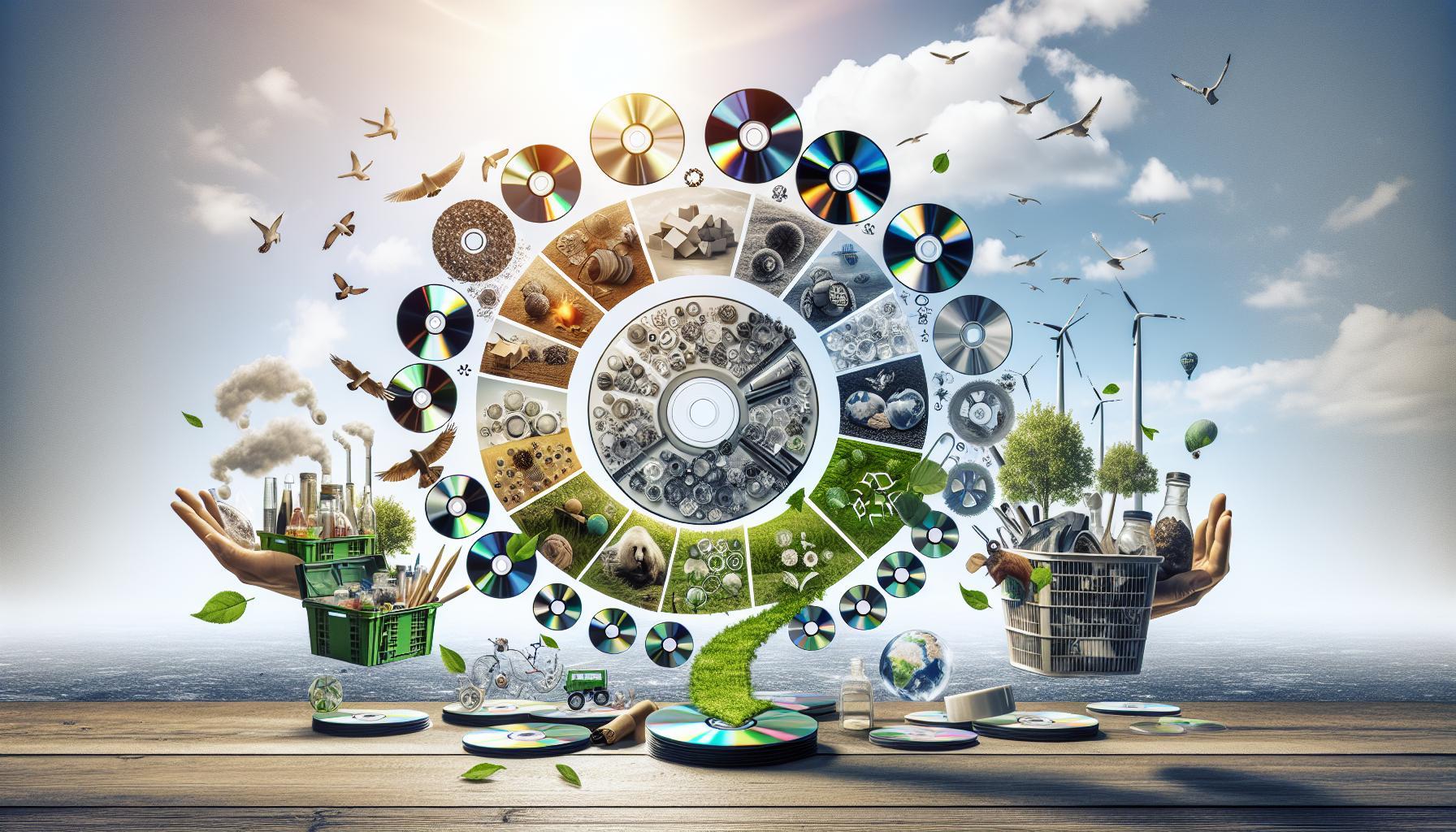

Did you know that over 50 billion compact discs (CDs) have been sold worldwide since their debut in the early 1980s? With the rise of digital music, many of us are left wondering what to do with our growing collection of CDs. Are they recyclable, or should they be tossed in the trash? This digital declutter guide aims to provide clarity on the recyclability of compact discs and practical steps for responsible disposal.
As you navigate your own digital declutter journey, understanding the environmental impact of our media consumption is crucial. One step toward a more sustainable lifestyle is finding eco-friendly ways to manage outdated technology. Throughout this article, we will explore not just the fate of your CDs, but also how you can contribute positively to the planet’s health. Let’s uncover the options available to you and spark a deeper conversation about sustainable decluttering practices. Your choices can make a difference!
Are Compact Discs Recyclable? Understanding the Basics
While many people may think of CDs as obsolete relics of the past, the question of their recyclability is both relevant and critical in today’s environmentally conscious society. Compact discs are primarily made of polycarbonate plastic, which is a type of recyclable material. However, the recycling process is not always straightforward due to the presence of metal coatings and the dyes used in production. This can pose challenges in recycling facilities that may not be equipped to handle such materials.
To responsibly recycle CDs, it’s essential to check local recycling guidelines, as not all municipal facilities accept them. For example, some cities provide specific programs for recycling electronics, including CDs, while others might require you to seek specialized recycling companies. [[1]] highlights that many recycling centers are now accepting CDs, encouraging the practice as part of a broader electronic waste management strategy.
In addition to traditional recycling, there are community initiatives and recycling events where CDs can be dropped off. Engaging in local efforts can not only help reduce waste but also promote community awareness around responsible e-waste disposal. For those considering alternatives, donating unwanted CDs to libraries, schools, or community centers can extend their life while minimizing waste.
Ultimately, understanding the basics of CD recyclability goes beyond just knowing whether they can be recycled; it encompasses awareness of local resources and the impact of individual actions on environmental sustainability.
The Environmental Impact of Unwanted CDs
In a world overflowing with digital alternatives, the environmental consequences of unwanted compact discs (CDs) are often underestimated. Every year, millions of CDs reach the end of their lifecycle, contributing significantly to electronic waste. These discs, made primarily from polycarbonate plastic, take centuries to break down in landfills, leading to increased pollution and resource depletion. Understanding the environmental impact of CDs begins with recognizing the challenges tied to their disposal and recycling.
While many recycling facilities are becoming equipped to handle CDs, the process remains complicated due to their material composition, which includes metal coatings and dyes. When CDs are improperly disposed of, they can leach harmful substances into the soil and waterways, adding to the growing concern of e-waste contamination. The accumulation of these materials in the environment poses risks not just to wildlife but also to human health, as toxic elements can enter the food chain.
Engaging in responsible disposal can mitigate these impacts significantly. Community initiatives and local recycling programs aim to reduce landfill waste by providing accessible options for recycling and upcycling CDs. Individuals can also take proactive steps by donating or selling unwanted CDs, thereby extending their lifecycle and reducing the demand for new physical media production. By participating in local recycling efforts or hosting community collection drives, individuals can help educate others about e-waste disposal, fostering a culture of sustainability.
Ultimately, even though physically discarding CDs may seem trivial, every small action counts in the larger context of environmental stewardship. By understanding the repercussions of unwanted CDs and exploring sustainable solutions, we can collectively reduce our carbon footprint and create a more sustainable future. Recognizing that our choices impact the planet is essential to fostering a community that values ecological preservation.
Step-by-Step Guide to Recycling Compact Discs
The average American owns approximately 100 CDs, many of which end up collecting dust or being thrown away as we shift towards digital music consumption. As technology advances, it becomes crucial to manage our waste responsibly, particularly when it comes to recycling compact discs. Below is a step-by-step guide to help you recycle your unwanted CDs effectively, making a positive impact on both your clutter and the environment.
Assess Your CDs
Start by gathering all your unwanted CDs. Examine each disc for scratches or damage; if they are too scratched to play, they may be more suitable for recycling rather than donation. Remember, cases, including plastic jewel cases, are generally not recyclable due to their material composition, so focus on the discs themselves.
Find a Recycling Facility
Not all recycling centers accept CDs, so it’s vital to find one that does. You can utilize resources like The Recycle Guide to locate certified recycling centers near you. These centers are equipped to handle the specific materials found in CDs. Make sure to call ahead and confirm that they accept CDs before making the trip.
Explore Mail-in Recycling Options
If local options are limited, consider mail-in recycling programs. Some companies specialize in electronic waste and offer mail-in services for CDs. This option is particularly useful for bulk quantities. Check for local or nationwide services that specifically mention CD recycling on their websites.
Participate in Community Recycling Events
Many communities host recycling drives or events focusing on e-waste. Keep an eye on local announcements, social media, or community bulletin boards for such events in your area. Participating not only ensures that your CDs are disposed of responsibly, but it also allows you to engage with your community and raise awareness about the importance of proper e-waste disposal.
By following these steps, you can effectively recycle your compact discs in a way that contributes to reducing electronic waste and promoting sustainability. Taking the initiative to recycle not only clears your space but also helps protect the environment-every small action makes a significant difference.
Creative Ways to Repurpose Old CDs
Old compact discs, often relegated to dusty shelves or crowded landfills, possess untapped potential for creativity and utility. Instead of discarding these discs, you can transform them into innovative projects that not only serve a purpose but also help reduce waste. Repurposing CDs can spark new ideas, provide fun activities, and even enhance your home or office environment.
Home Décor and Art Projects
Old CDs can become the canvas for stunning artwork or home décor items. For instance, you can create a shimmering mosaic on a picture frame or an old coffee table by breaking the CDs into pieces and gluing them onto the surface. The reflective surfaces of the discs can catch and play with light, giving your creations a unique flair. Additionally, consider using CDs to construct a glittering mobile or a wall hanging, combining several discs in an artistic arrangement to create eye-catching decorations.
Functional Accessories
Repurposing CDs can lead to crafting various functional items. One popular option is to create coasters by adhering felt or cork to one side of a CD, offering a protective surface that also looks stylish. Alternatively, you can make a CD case organizer by stacking several discs together and attaching them at the center with a brad, allowing you to store business cards or small notes. For those with kids, creating a playful spinning top from a CD can provide hours of entertainment and a lesson in physics.
Gardening and Outdoor Use
Incorporating CDs into your gardening can also be beneficial. Use them as protective barriers against pests by placing them in the soil to scare away birds or animals. Their reflective surfaces deter many garden intruders and can serve as a creative garden marker when you write the names of plants on them and stick them in the ground.
In these ways, discarding old compact discs can become a thing of the past. By exploring creative repurposing, not only do you declutter your space and reduce waste but you also engage your creativity and make environmentally thoughtful decisions. Each disc transformed is a step toward embracing sustainability and inspiring those around you to think differently about waste.
The Future of Digital Media and E-Waste
As we navigate the digital age, the physical media landscape has undergone significant transformation. With a decline in the use of compact discs (CDs) and similar formats, the time has come to confront the issue of electronic waste (e-waste) and its lasting impact on the environment. More than just outdated relics, CDs contribute to a global e-waste crisis that demands our attention and action. It’s estimated that e-waste accounts for approximately 50 million tons of electronic garbage generated annually, with CDs, DVDs, and other media contributing to this formidable total. A proactive approach to managing these materials not only helps relieve pressure on landfills but also fosters a culture of sustainability.
The shift toward digital media has not erased the environmental burden left by millions of unwanted CDs. Many people have treasures locked in their collections, yet they remain unsupported by environmental policies that facilitate easy recycling or reuse. Each CD is typically composed of polycarbonate plastic, aluminum, and a thin layer of reflective material. While recyclable, the complexity of their composition can hinder efficient processing, leading to many discs ending up in landfills. Encouraging a new paradigm that embraces recycling and repurposing can significantly reduce this burden.
To foster a responsible e-waste ecosystem, communities can lead initiatives that simplify the recycling process. Local e-waste drive events that offer drop-off points for CDs can encourage participation, enabling individuals to dispose of their unwanted discs responsibly. Additionally, educational campaigns can help clarify the importance of recycling and properly handling media, showcasing the benefits of engaging with credible e-waste recycling programs that manage materials responsibly.
Ultimately, transitioning toward an increasingly digital world is essential not just for technological advancement but also for environmental sustainability. By adopting conscious practices that prioritize recycling and reducing e-waste, we can turn the tide on the growing crisis of disposable culture. With every small step, such as recycling an old CD or exploring digital alternatives, individuals contribute to a collective movement towards a more sustainable future, demonstrating that every action counts in the battle against e-waste.
Comparing CD Recycling Options: Local vs. Mail-in
Recycling compact discs (CDs) requires understanding the options available to responsibly dispose of these outdated media. With growing concerns about e-waste and environmental impact, both local and mail-in recycling programs present viable pathways. Consumers can choose the method that best aligns with their needs, convenience, and commitment to sustainability.
Local recycling options often include designated drop-off events or permanent collection sites that accept CDs, DVDs, and other electronic waste. These initiatives are typically organized by local governments, non-profits, or environmental organizations. One advantage is the opportunity to engage with community efforts-attending e-waste drives not only enables proper disposal but also fosters awareness about the importance of recycling among friends and neighbors. To find local recycling resources, websites like Recycling Center Near Me can help locate centers that handle CDs and related media.
In contrast, mail-in recycling provides a flexible alternative for those who may not have convenient access to local programs. Several companies offer pre-paid shipping labels, allowing you to send your old discs directly to specialized recycling facilities. This option is particularly suitable for individuals with large collections or those living in areas without recycling infrastructure. When using mail-in services, it’s essential to verify that the provider follows responsible recycling practices, ensuring that materials are processed in an environmentally sound manner. For example, a search through The Recycle Guide can reveal reputable mail-in programs.
Ultimately, both local and mail-in recycling options serve essential roles in managing e-waste responsibly. By understanding these choices, individuals can make informed decisions that contribute to reducing landfill waste and promoting a circular economy. Whether participating in community events or utilizing mail-in services, each effort counts toward mitigating the environmental impacts of unwanted CDs, highlighting the collective responsibility we share in fostering a sustainable future.
Debunking Myths About CD Disposal and Recycling
The misconception surrounding the disposal and recycling of compact discs can lead to improper waste management and increased landfill contributions. One of the most prevalent myths is that CDs are not recyclable at all. In fact, many recycling facilities accept CDs, DVDs, and related media, provided they are processed correctly. Understanding the materials that make up a CD-primarily polycarbonate plastic along with a thin layer of aluminum-can help clarify why these items can be diverted from landfills and repurposed in the recycling stream.
Myth 1: CDs Can’t Be Recycled
Contrary to popular belief, CDs are recyclable through specialized facilities that can break them down and reform the materials into new products. Many local recycling programs or e-waste drives accept CDs, along with other electronic waste. For instance, if you drop off your used discs at a scheduled collection event, they can be processed in an eco-friendly manner rather than ending up in a landfill.
Myth 2: Throwing CDs in the Regular Trash Is Fine
Another common misconception is that simply tossing CDs in the regular trash is harmless. In reality, CDs take hundreds of years to decompose due to their robust plastic composition. When sent to landfills, these discs can release harmful chemicals into the ground and potentially contaminate local ecosystems. Consider alternative disposal methods that prioritize recycling over waste.
Myth 3: All Companies That Recycle CDs Are Trustworthy
While numerous recycling programs exist, not all practices are created equal. It’s crucial to research and choose reputable recycling services, especially mail-in options. Facilities that do not adhere to safe recycling standards can ultimately contribute to environmental harm. Look for companies that are certified and committed to responsible recycling methods, ensuring that your unwanted discs are treated sustainably.
- Verify Providers: Check for certifications, customer reviews, and transparent recycling processes.
- Engage Locally: Attend local recycling events or workshops to learn more about responsible practices and community initiatives.
By dismantling these myths, we step closer to creating a culture of sustainable practices regarding media disposal. Engaging in informed recycling efforts not only helps mitigate the environmental impact of unwanted CDs but also encourages a collective responsibility toward a healthier planet. Embracing eco-conscious choices empowers individuals to take proactive steps in their digital decluttering journey, making a significant difference for future generations.
Essential Tips for a Successful Digital Declutter
As digital consumption continues to rise, many people find themselves grappling with a growing collection of physical media, including compact discs. Thankfully, embarking on a digital declutter can not only create more space but can also lead to more eco-conscious choices regarding unwanted CDs. Here are some practical tips to guide you through a successful digital decluttering process while ensuring your unwanted discs have a sustainable future.
Start by categorizing your collection. Assess what you truly need and use; for many, this might mean keeping only those discs that are beloved or essential for specific purposes, such as a favorite album or an important software CD. Once you’ve identified your keepers, it’s time to address the rest. Consider the option of digital replacements for the discs you no longer need. Many albums, movies, and software are available for purchase or subscription online. By transitioning to digital formats, not only do you free up physical space but you also reduce the need for new plastic production.
For the CDs that you decide to let go, prioritize recycling. Many local recycling programs accept CDs, which can be processed and repurposed into new products, reducing the burden on landfills. Look for community recycling events or e-waste drives that might specialize in such items. Resources like Earth911 can help locate nearby recycling facilities that accept CDs and DVDs. Remember to remove any plastic cases and sleeves before recycling, as many centers don’t accept these materials.
Finally, consider creative ways to repurpose old CDs if recycling isn’t immediately feasible or you’d like to explore DIY options. Old discs can be transformed into unique art projects, coasters, or decorative items, allowing you to keep the memories alive in a new form. By actively engaging in both decluttering and responsible disposal or repurposing, you not only make room for new media but also contribute positively to environmental health and sustainability. Together, these steps empower individuals to navigate the complexities of physical media in a tech-driven world.
Understanding CD Materials: What Can Be Recycled?
The environmental impact of compact discs (CDs) can be significant due to their material composition and the way they are often disposed of. Understanding what a CD is made of is crucial for figuring out how it can be properly recycled. A standard CD is primarily composed of polycarbonate plastic-a type of thermoplastic that can be recycled-but the process is not as straightforward as it might seem. Many recycling facilities that accept plastic will not include CDs or DVDs in their accepted materials without special procedures. Thus, knowing where to take these items is essential.
Discs are layered with a reflective material, typically aluminum, which allows them to store data. This layer, along with polycarbonate, means CDs can sometimes be melted down and reformed into new products. However, proper recycling requires that the discs not be damaged and that any printed labels or paper sleeves are removed, as these can contaminate the recycling stream. In general, the following components can be recycled:
- Polycarbonate Plastic: This can often be repurposed into new plastic products.
- Aluminum: The reflective layer can potentially be recycled, although this depends on the facility.
- Cardboard and Paper Sleeves: These materials are typically recyclable through standard municipal recycling programs.
Many communities offer specialized e-waste recycling programs or events that specifically accept CDs, DVDs, and other electronic materials. Additionally, organizations like Earth911 can help locate nearby recycling centers that handle these products effectively. For individuals looking to recycle their CDs, researching local options and understanding the guidelines can ensure that the materials do not end up in landfills, further compounding environmental issues.
Choosing to recycle rather than discard unwanted CDs promotes a more circular economy, where materials are reused and repurposed, ultimately reducing the need for new plastic production. By taking simple steps to understand the materials involved and the appropriate recycling channels, individuals can make a positive contribution to environmental sustainability while freeing up space in their homes.
Community Initiatives for CD Recycling and Upcycling
Many communities are stepping up to tackle the growing issue of CD disposal and the environmental implications of these materials. Local initiatives play a crucial role in promoting proper recycling and upcycling of compact discs, making it easier for residents to participate in sustainable practices. For instance, various municipalities organize e-waste recycling events where individuals can drop off CDs along with other electronic waste. These programs not only ensure that harmful materials do not end up in landfills but also educate the public on the importance of responsible disposal and recycling.
In addition to e-waste events, community centers and libraries are increasingly becoming hubs for educational workshops that focus on creative reuse of CDs. These workshops often emphasize upcycling-transforming unwanted CDs into art, decorations, or functional items. By involving local artists and craft enthusiasts, these initiatives foster a sense of community while inspiring participants to think outside the box about how to repurpose what might seem like waste.
Moreover, organizations like Earth911 provide invaluable resources for individuals looking to recycle their CDs responsibly. They help people locate nearby recycling centers that specifically accept CDs, making it easier for communities to engage in eco-friendly practices. Some businesses even offer mail-in recycling options for those who may not have local facilities, ensuring that everyone has access to proper recycling solutions.
Ultimately, these community initiatives not only contribute to reducing e-waste but also cultivate a greater awareness about the importance of sustainable habits. Community members who participate in these programs often report feeling empowered to make environmentally conscious decisions in other areas of their lives, emphasizing how collective action can lead to significant positive change.
Finding Sustainable Alternatives to Physical Media
In an age where digital technology revolutionizes how we consume media, the question arises: what do we do with the outdated physical formats that clutter our lives? The shift from compact discs (CDs) to streaming and downloadable content isn’t just about convenience-it’s also about sustainability. As we navigate this transition, it’s essential to consider sustainable alternatives that reduce our reliance on physical media and minimize our environmental footprint.
- Adopt Digital Alternatives: Transitioning to digital music and data solutions is the most straightforward approach. Platforms like Spotify, Apple Music, and Amazon Music allow users to access vast libraries of music without the need for CDs. Not only does this reduce clutter, but it also decreases the demand for the production of physical media.
- Use Cloud Storage: Instead of keeping CDs for data storage, consider cloud services such as Google Drive, Dropbox, or iCloud, which offer safe and accessible storage for files and media. Cloud solutions provide the added benefit of being accessible from any device with an internet connection, further enhancing convenience.
- Stream Instead of Store: Embrace the world of online streaming for movies and shows. Services like Netflix, Hulu, and Disney+ not only allow for unfettered access to content without the need for DVDs or discs but also support a more sustainable model of media consumption.
- Engage in E-books: For those who enjoy reading, e-books and audiobooks present a fantastic alternative to physical books. Services like Kindle and Audible provide extensive libraries without the associated waste of paper and plastic.
By shifting to these digital solutions, we make a direct impact on reducing the environmental consequences associated with physical media production and waste accumulation.
The benefits extend beyond mere convenience. Digital decluttering promotes an organized lifestyle, freeing up physical space and reducing the clutter that often accompanies physical media collections. Moreover, by making conscious choices about how we consume and store media, we contribute to a more sustainable future filled with fewer resources wasted-and more awareness cultivated regarding the impact of our consumption habits. Embracing these sustainable alternatives not only helps mitigate e-waste issues but also sets a precedent for more responsible consumption of resources in other areas of our lives.
How Digital Decluttering Benefits the Environment
In an era where environmental awareness is crucial, the act of digital decluttering emerges as a powerful way to reduce waste and minimize our carbon footprint. The transition from physical media such as compact discs (CDs) to digital platforms not only fosters a more minimalist lifestyle but also directly contributes to environmental conservation. By shifting our habits and embracing digital alternatives, we can significantly curb the demand for physical products that often end up in landfills.
The implications of decluttering our digital spaces extend beyond our immediate surroundings. For instance, opting for digital music and cloud storage diminishes the need for producing, packaging, and transporting physical media. Each CD manufactured contributes to pollution and resource depletion, from raw material extraction to energy usage in production. Therefore, when we declutter and switch to digital formats, we promote a cycle of reduced consumption and lower environmental impact. In addition, by embracing streaming services and e-books, we contribute to a greener economy, as these platforms typically require far fewer resources to operate than their physical counterparts.
Moreover, digital decluttering can inspire conscious consumption habits and cultivate a community ethos of sustainability. Sharing insights and practices on digital organization encourages others to consider their media consumption and storage choices critically. This ripple effect can lead to greater environmental awareness and ultimately promote actions that favor eco-friendly solutions. As we collectively shift our focus toward minimizing waste and promoting sustainability, we foster a healthier environment for future generations.
In conclusion, the benefits of digital decluttering reach far beyond personal convenience; they serve as a catalyst for thoughtful environmental action. By choosing to go digital, we not only reclaim our spaces but also take an active role in reducing unnecessary waste and supporting a more sustainable future. Embracing these changes is an empowering step toward making a positive impact on our planet.
Frequently Asked Questions
Q: Are compact discs recyclable?
A: Yes, compact discs (CDs) are recyclable, but the process can vary by location. Many recycling centers accept CDs, while others may not due to their plastic and metal components. Check with local facilities for specific guidelines.
Q: How can I recycle my old CDs and DVDs?
A: To recycle old CDs and DVDs, first, check local recycling programs to see if they accept them. If not, consider donating them to libraries or schools, or use specialized mailing services that recycle electronic waste.
Q: What should I do with scratched or damaged CDs?
A: Scratched or damaged CDs can often still be recycled, but their condition may affect their acceptability at recycling facilities. If they’re unusable, look for e-waste drop-off events or programs specifically designed for electronic recyclables.
Q: Are there environmental impacts associated with CDs?
A: Yes, CDs have environmental impacts, particularly due to their plastic composition and the resources used in production. Recycling them helps reduce landfill waste and recover valuable materials, contributing positively to sustainability efforts.
Q: Can I repurpose old CDs instead of recycling them?
A: Absolutely! Old CDs can be creatively repurposed into coasters, ornaments, or art projects. This not only reduces waste but also provides a fun DIY opportunity to engage with sustainability.
Q: Why is it important to recycle CDs?
A: Recycling CDs is important to minimize environmental waste and conserve resources. By recycling, you reduce plastic pollution and help ensure that materials are reused, thus supporting a more sustainable cycle of consumption.
Q: Where can I find recycling centers that accept CDs?
A: You can find recycling centers that accept CDs by visiting websites like Earth911, or contact your city’s waste management department for recommendations. Many electronics retailers also have recycling programs.
Q: What alternatives exist to physical CDs?
A: Alternatives to physical CDs include digital music formats and streaming services. These options eliminate the need for physical media, reducing waste and resource consumption while providing easy access to music.
Closing Remarks
As we wrap up our exploration of whether compact discs are recyclable, remember that each small step contributes to a larger movement towards sustainability. By understanding their disposal methods and considering digital decluttering, you’re making informed choices that impact the environment positively. Don’t let old media piles clutter your space-take action today and lead the way in responsible waste management!
For more insights on sustainability, check out our articles on e-waste recycling and eco-friendly decluttering tips, which can enhance your efforts to live a more sustainable lifestyle. Plus, if you’d like more updates and tips delivered right to your inbox, consider signing up for our newsletter.
We’d love to hear your thoughts! Share your experiences in the comments below, and don’t hesitate to connect with us on social media. Together, we can make a difference, one disc at a time!
Get our latest guides, news, and insights highlighted in your Google Search & AI Overviews.