Did you know that climate change is not just a distant threat, but a reality reshaping ecosystems and communities right now? With each passing year, we witness its impact-extreme weather events, shifting agricultural patterns, and dwindling biodiversity. These changes concern many of us as we strive for a sustainable future and seek ways to protect our planet for generations to come.
In “A Change of Climate: How It Transforms Our World,” we delve into the multifaceted effects of climate change on our environment, economy, and daily lives. Beyond the statistics and scientific jargon lies a profound human story-one that affects our health, livelihoods, and well-being. Understanding these transformations not only fosters awareness but ignites the curiosity and motivation needed for personal and collective action.
Join us as we explore the intricate connections between climate change and our world, uncovering practical insights and inspiring solutions. Together, we can navigate this challenge, fostering resilience and hope for a thriving planet.
The Scientific Basis of Climate Change and Its Impact
The Earth’s climate has always been dynamic, but the current phase of rapid change is largely driven by human activity. Scientific consensus indicates that the burning of fossil fuels, deforestation, and industrial processes release greenhouse gases (GHGs) like carbon dioxide (CO2) and methane (CH4) into the atmosphere, leading to the greenhouse effect. This phenomenon traps heat and causes global temperatures to rise. According to climate data, the Earth’s average temperature has increased by approximately 1.1 degrees Celsius since the late 19th century, significantly altering weather patterns, sea levels, and ecosystems worldwide.
As global temperatures climb, a cascade of impacts becomes evident. Weather extremes are increasingly common, with intense heat waves, droughts, and floods becoming more severe and frequent. Regions that once experienced temperate weather are now susceptible to new extremes, threatening agriculture and water supplies. This erratic climate not only endangers biodiversity but also poses substantial risks to human health. Higher temperatures can exacerbate respiratory and cardiovascular diseases, increase food scarcity through crop failures, and expand the range of infectious diseases.
Eco-systems, too, are under distress. Habitat loss from climate-driven changes affects species migration and adaptation, leading to biodiversity loss. According to current studies, many plants and animals are struggling to adapt fast enough to their changing environments. Some species may face extinction, which disrupts food chains and the ecological balance essential for life on Earth. Conversely, certain species may thrive under new conditions, potentially leading to a shift in biodiversity that could reshape our natural landscapes.
Addressing the scientific basis for climate change emphasizes the urgency for actionable solutions. Mitigating the effects and adapting to climate change requires the collective effort of individuals, communities, and governments. By transitioning to renewable energy sources, improving energy efficiency, and employing sustainable practices, society can reduce its carbon footprint and build resilience against upcoming climate challenges. The pathways to a sustainable future are not merely scientific discussions; they are imperative steps toward preserving the planet for future generations. Understanding these dynamics equips individuals and communities to contribute meaningfully to the global solution.
Global Temperature Rise: Causes and Consequences
As the planet’s average temperatures continue to rise, the implications extend far beyond mere numbers on a thermometer. Driven largely by human activities such as the burning of fossil fuels, deforestation, and industrial emissions, this warming phenomenon is reshaping our world in profound ways. According to scientific consensus, the Earth has warmed approximately 1.1 degrees Celsius since the late 19th century, a seemingly modest increase that translates into significant changes in climate systems and weather patterns across the globe.
Causes of Global Temperature Rise
The primary culprits behind this warming are greenhouse gases (GHGs), including carbon dioxide (CO2) and methane (CH4). When these gases are released into the atmosphere, they trap heat, leading to the greenhouse effect. Common sources of GHG emissions include:
- Fossil Fuels: The burning of coal, oil, and natural gas for energy, transportation, and industrial processes constitutes the largest source.
- Deforestation: The removal of trees for agriculture, urbanization, and logging diminishes the planet’s capacity to absorb CO2.
- Agricultural Practices: Livestock production and certain fertilizer applications release methane and nitrous oxide, potent GHGs.
These human-induced activities intensify natural climatic variations and contribute to long-term temperature increases, presenting a pressing need for sustainable practices.
Consequences of Warming Temperatures
The effects of rising global temperatures are widespread and interconnected, with severe consequences for ecosystems, human health, and the economy.
- Extreme Weather Events: Higher temperatures intensify weather patterns, leading to more frequent and severe events such as hurricanes, wildfires, droughts, and floods. These extremes not only threaten natural habitats but also disrupt agricultural productivity, leading to food scarcity.
- Ecosystem Disruption: Species struggle to adapt to their rapidly changing environments. As temperatures rise, many flora and fauna face a daunting challenge; some may adapt, while others risk extinction. This shift threatens biodiversity and alters food chains, affecting ecosystems’ balance essential for human life.
- Human Health Risks: The rising heat exacerbates health issues, particularly respiratory and cardiovascular diseases. Additionally, climate change expands the range of vector-borne diseases, affecting communities that previously faced little risk. A warmer climate can lead to increased allergies, heat-related illnesses, and mental health issues associated with climate anxiety.
- Economic Impacts: The cost of climate inaction is considerable. From infrastructure damage due to storms to agricultural losses from droughts, the economic toll mounts dramatically. Investing in sustainable solutions, such as renewable energy and climate-resilient infrastructure, can mitigate these costs while fostering economic growth.
Understanding the complex interplay between human actions and global warming empowers individuals, communities, and governments to take meaningful steps towards reducing emissions, enhancing resilience, and protecting our planet. By fostering a culture of sustainability and stewardship, we can work collectively to address the challenges posed by a warming world and strive for a more stable climate for future generations.
Ecosystem Disruptions: Flora and Fauna at Risk
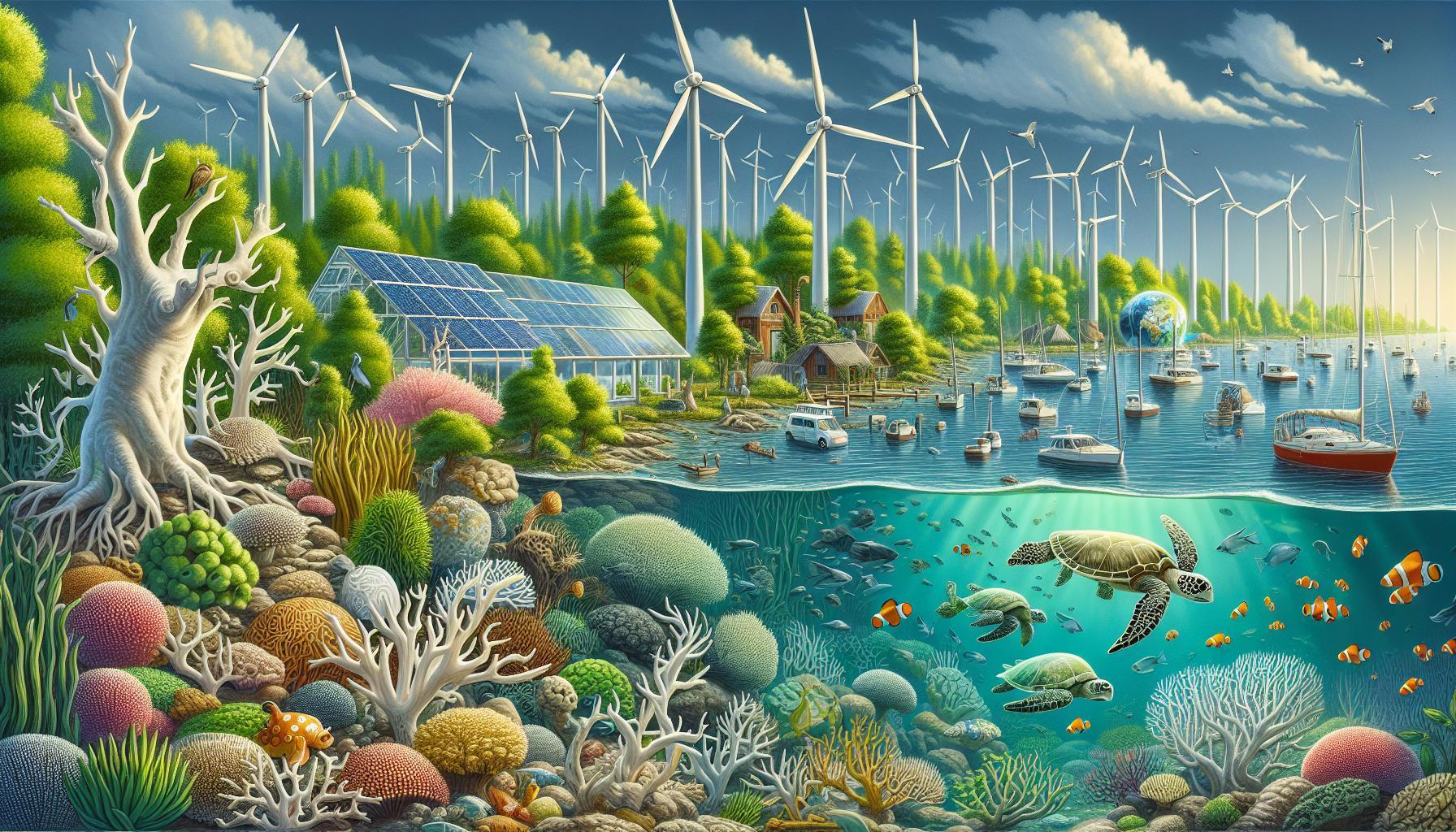
As climate change accelerates, the delicate balance of our ecosystems is increasingly strained, placing countless species of flora and fauna at risk. The intricate web of life that sustains our planet is under siege from rising temperatures, shifting weather patterns, and habitat disruption. A vivid example of this phenomenon can be observed in coral reefs, often dubbed the “rainforests of the sea.” Studies indicate that even a slight increase in ocean temperatures can lead to widespread coral bleaching, which jeopardizes the diverse marine life that depends on these vibrant ecosystems. Such disruptions don’t just endanger species; they threaten the livelihoods of millions who rely on these ecosystems for food and income.
The consequences of ecosystem disruptions extend far beyond the immediate impacts on individual species; they reverberate throughout the entire food chain. As habitats alter and flora struggle to thrive in changing climates, herbivores face food shortages, leading to cascading effects on predators and the entire ecosystem’s structure. For instance, as plant communities shift their ranges in response to warming temperatures, many animals may find themselves without suitable habitats or food sources, resulting in increased competition and population declines.
In addition to these biological threats, climate change also exacerbates challenges for species already under stress from human activity. Urbanization, pollution, and deforestation compound these effects, reducing the resilience of ecosystems. Efforts to preserve biodiversity and protect vulnerable species must be complemented by initiatives aimed at restoring habitats and mitigating climate impacts. For example, creating wildlife corridors can help animals migrate to more suitable areas, while reforestation projects can enhance carbon sequestration and restore vital ecosystems.
To address the ecological risks posed by climate change, individuals and communities can take action. Supporting local conservation efforts, advocating for sustainable agricultural practices, and reducing personal carbon footprints are ways to contribute positively. By fostering a deeper understanding of the interconnections within ecosystems, we can inspire proactive solutions that safeguard both biodiversity and our planet’s health for future generations. Through collective action and informed choices, we have the power to help restore and protect the natural world amidst the challenges presented by a changing climate.
Human Health: The Hidden Effects of Climate Change
Rising global temperatures are not merely an environmental issue; they significantly impact human health, revealing often-overlooked consequences. For instance, the World Health Organization links climate change to a surge in heat-related deaths, noting that 37% of such fatalities can be directly attributed to human-induced warming. Among those most vulnerable, individuals over 65 have faced a staggering 70% increase in heat-related mortality over the last two decades, underscoring the urgent need for widespread awareness and action.
Direct Health Threats
The direct health impacts of climate change range from heat stress to respiratory issues caused by enhanced pollution, especially in urban areas. Rising temperatures can exacerbate the formation of ground-level ozone, which negatively affects lung health and leads to increased hospital admissions for respiratory diseases. Moreover, vector-borne diseases, such as malaria and dengue fever, are projected to spread as warmer climates expand the habitable ranges for mosquitoes, thus posing new challenges even in regions previously unaffected.
Mental Health Consequences
The hidden impacts of climate change extend beyond physical ailments and infiltrate mental health. People may experience anxiety, depression, and PTSD related to extreme weather events like hurricanes, floods, and wildfires. Such mental health challenges often disproportionally affect marginalized communities that are less equipped to recover from climate-related disasters. Recognizing these challenges, community mental health initiatives focused on resilience and recovery become critical, facilitating support networks that can mitigate these negative outcomes.
Community and Individual Actions
To combat the health risks associated with climate change, both individuals and communities can take proactive steps. Fostering resilience through enhanced community healthcare infrastructure can significantly buffer the impacts on vulnerable populations. Additionally, engaging in local advocacy for sustainable practices-such as reducing vehicle emissions or promoting energy efficiency-can contribute to a healthier environment. On a personal level, empowering oneself through knowledge about local air quality, participating in green initiatives, and supporting policies that address climate change can yield substantial benefits for both public and individual health.
By understanding and addressing the multifaceted health implications of climate change, we can equip ourselves and our communities for a healthier future, turning potential crises into opportunities for growth and resilience.
Economic Impacts: Understanding the Cost of Inaction
The economic fallout from climate change looms ominously, presenting a staggering reality that demands our immediate attention. The costs associated with inaction are not only significant but are projected to escalate over time. According to a comprehensive report by the National Oceanic and Atmospheric Administration (NOAA), the United States alone has incurred over $1.1 trillion in damages due to climate-related disasters between 1980 and 2019. As global temperatures rise and weather patterns become increasingly erratic, the financial burden on economies will only intensify, impacting everything from agriculture and infrastructure to public health and insurance systems.
The Cost of Natural Disasters
Natural disasters driven by climate change, such as hurricanes, floods, and wildfires, have direct and indirect costs that ripple throughout economies. The immediate effects include damage to property, loss of productivity, and the expenses tied to emergency response and repairs. For instance, the 2017 hurricane season, which included hurricanes Harvey, Irma, and Maria, resulted in an estimated $300 billion in damages across the Caribbean and the southeastern United States. Beyond these immediate impacts, long-term effects can include the degradation of local economies, diminished property values, and increased insurance premiums that can burden homeowners and businesses alike.
- Infrastructure Damage: The destruction of roads, bridges, and public utilities can lead to long-term economic disruption and necessitate expensive repairs.
- Agricultural Losses: Shifting weather patterns and extreme conditions can devastate crop yields, resulting in food shortages and inflated prices.
- Healthcare Costs: The burden of climate-related health issues, such as heat-related illnesses and respiratory diseases, translates into rising healthcare expenditures that strain public resources.
Investment in Sustainable Solutions
Despite the daunting outlook, there exists a transformative opportunity within the challenge of climate change. By investing in sustainable practices, the potential for economic growth and resilience becomes apparent. Transitioning to renewable energy sources, enhancing energy efficiency, and developing climate-resilient infrastructure can create jobs, stimulate innovation, and generate long-term savings.
For example, a study by the International Renewable Energy Agency (IRENA) highlights that transitioning to renewable energy could create up to 24 million jobs globally by 2030. Furthermore, the investment in green technologies can lead to a decrease in health-related costs and insurance claims due to improved air quality and reduced pollution.
Community Action and Policy Change
On a local level, communities can harness economic incentives by embracing climate action plans that focus on sustainability and adaptation. Local governments can drive change through policies that encourage green building practices, promote public transportation, and support local agriculture, ultimately creating healthier, more resilient economies.
Individuals too, play a vital role in this narrative. By adopting sustainable practices in daily life-such as reducing energy consumption, choosing public transport, and advocating for eco-friendly policies-people can contribute to a broader shift towards sustainability while also saving money in the process.
In conclusion, while the costs of inaction concerning climate change pose a significant threat to global economies, the pathways to sustainable solutions are rich with opportunity. By understanding the financial implications and actively engaging in responsive strategies, both communities and individuals can foster resilience, protect their economic future, and contribute to a healthier planet for generations to come.
Renewable Energy: Paving the Way for a Sustainable Future
As global temperatures climb and the effects of climate change become increasingly evident, the shift toward renewable energy emerges not just as a remedy but a necessary evolution for society. In 2021, the International Energy Agency reported that renewable energy could account for nearly 90% of the increase in global power generation over the next decade, making it clear that harnessing clean energy sources like solar, wind, and hydroelectric power is crucial for sustainable development and environmental preservation.
Investing in renewable energy is not merely about reducing carbon emissions; it offers a pathway to energy security, job creation, and economic resilience. Transitioning from fossil fuels to renewable energy sources can stimulate local economies through the creation of jobs in manufacturing, installation, and maintenance. For instance, the solar industry alone has created hundreds of thousands of jobs in the United States over the past decade, and projections estimate that this trend will continue to grow as we embrace clean energy technologies. Communities leveraging these industries typically experience enhancements in economic stability and the development of new business avenues, strengthening local economies while also contributing to global sustainability goals.
Benefits of Renewable Energy
The advantages of a renewable energy transition extend beyond economic gains. These energy sources are inherently sustainable, providing a cleaner alternative that reduces greenhouse gas emissions and air pollution. They not only mitigate climate change impacts but also encourage community involvement in energy production. Local solar cooperatives and wind energy projects empower individuals and communities to take charge of their energy use, fostering a sense of ownership and responsibility.
- Lower Energy Costs: Over time, renewable energy technologies typically lead to decreased energy costs as dependence on imported fuels diminishes and maintenance costs for renewable technologies remain low.
- Enhanced Energy Independence: By pursuing renewable resources, countries can reduce their reliance on foreign oil and gas, improving national security and economic stability.
- Improved Public Health: By decreasing the reliance on fossil fuels, the associated health risks from air and water pollution are significantly reduced, leading to better overall public health outcomes.
Adopting renewable energy solutions is not solely a governmental or corporate initiative; individual contributions also play a vital role in this transformative journey. People can support renewable energy by advocating for policies that promote clean energy, investing in home solar installations, or choosing to purchase green energy from their local utility providers. These actions, although individual, collectively contribute to a stronger, sustainable energy future.
In summary, transitioning to renewable energy is an essential step toward combating climate change and securing a sustainable future. With technological advancements making renewable solutions more accessible and affordable, now is the time for individuals and communities to embrace this change actively. Through concerted efforts and innovative practices, society can harness the power of renewables to create a healthier planet for future generations.
Adaptation Strategies: Communities Resilient to Change
As the impacts of climate change become increasingly tangible, the need for communities to adapt remains critical. Resilience in the face of evolving environmental challenges is not just a necessity but an opportunity for growth and innovation. Empowered communities worldwide are demonstrating that change can pave the way to enhanced sustainability, economic security, and improved quality of life.
One effective adaptation strategy involves investing in green infrastructure. Examples include constructing permeable pavements to manage stormwater more effectively, which helps prevent flooding while recharging groundwater supplies. Urban areas like Copenhagen and New York City have made significant strides in implementing such green systems. By integrating nature into urban planning, these cities have not only increased their resilience to heavy rain events but also fostered a stronger connection between communities and their environments.
Additionally, communities are turning to sustainable agriculture practices to mitigate the risks posed by shifting climate patterns. Farmers can leverage techniques like crop rotation, agroforestry, and organic farming to build healthier soil, protect biodiversity, and improve yields. For instance, in regions of East Africa, farmers practicing regenerative agriculture have reported increased resilience to drought and fluctuations in weather. These methods reduce dependency on chemical inputs, lower emissions, and adapt to changing climatic conditions while securing food systems.
Education and community engagement are essential components of building resilience. Programs that encourage local participation in climate adaptation planning empower residents to voice their needs and develop tailored solutions. The Community Resilience Building process, used in various parts of the U.S. and internationally, actively involves local stakeholders in identifying vulnerabilities and prioritizing actions to enhance community resilience. This inclusive approach not only cultivates a sense of ownership but also fosters collaborative networks that are vital during crises.
As technology advances, smart tools such as climate modeling software and remote sensing technologies provide communities with critical data to inform decisions on land use, resource management, and disaster preparedness. Organizations like NASA and NOAA are assisting communities by offering access to satellite imagery and modeling resources that can illustrate potential future scenarios, helping local leaders make scientifically informed decisions for a sustainable future.
Incorporating these strategies not only builds resilience against the impacts of climate change but also enhances community cohesion, economic stability, and environmental stewardship. Through collective action and innovative thinking, communities have the power to transform challenges into opportunities-proving that adaptation is not merely a response to change, but a proactive step toward a thriving, sustainable future.
Policy and Action: How Governments Can Drive Solutions
Amidst the growing urgency of climate change, governments worldwide hold a pivotal role in crafting and implementing effective policies that shape our collective response to this pressing issue. A fundamental understanding of the scientific underpinnings of climate change, combined with targeted action, can propel nations toward sustainable solutions that not only mitigate environmental impacts but also foster economic stability and social equity.
To drive meaningful change, governments can prioritize the establishment of robust frameworks for climate action, as seen in the European Union’s Green Deal, which aims for a carbon-neutral continent by 2050. Through comprehensive policies, such as investments in renewable energy, energy efficiency standards, and carbon pricing mechanisms, nations can incentivize both businesses and individuals to reduce their carbon footprint. For instance, countries like Sweden have implemented a carbon tax that has led to significant emissions reductions while simultaneously supporting economic growth. By leveraging market-based solutions, governments create financial incentives for innovative practices that elevate sustainability efforts.
Collaboration and Engagement
In addition to policy frameworks, fostering collaboration is crucial for driving solutions. Governments can engage with local communities, businesses, and non-profit organizations to co-create initiatives tailored to specific regional needs. Creating multi-stakeholder platforms allows for the sharing of knowledge and resources, enhancing local capability to address climate challenges. For example, the United States Climate Alliance brings together states committed to meeting the goals of the Paris Agreement, showcasing how regional cooperation can contribute to global efforts. This cooperative approach not only builds resilience but also amplifies success stories across jurisdictions.
Furthermore, involving the younger generation in decision-making processes can empower future leaders to champion sustainability. Educational campaigns and programs focused on climate literacy can ensure that communities are well-informed and equipped to advocate for viable policies. Partnerships between educational institutions and governments can facilitate research that informs effective policy designs, alleviating the gap between scientific discovery and practical application.
Investing in Future Technologies
The potential of innovative technologies should not be underestimated in government strategies. By investing in research and development, governments can accelerate advances in clean energy, carbon capture, and sustainable agriculture practices. Countries like Germany and China are leading the way in solar and wind energy technologies, creating jobs in emerging sectors while decreasing reliance on fossil fuels. As these technologies scale up, they will form the backbone of a climate-resilient economy.
In summary, the responsibility to combat climate change lies significantly with governments to enact policies that not only address existing environmental variables but also stimulate an inclusive economy, champion collaborative efforts, and invest in innovative solutions. By taking decisive actions and engaging diverse stakeholders, nations can pave the way towards a sustainable future where environmental integrity and human prosperity coexist.
Personal Responsibility: Individual Actions That Matter
Every small action we take has the potential to ripple outward and contribute to the larger fight against climate change. Individuals play a vital role in creating a sustainable future, not just through large-scale actions, but through everyday choices that collectively make a substantial impact. From simple activities like choosing what to eat to how we travel, our decisions can significantly influence our carbon footprints and promote sustainability within our communities.
Practical Steps for Personal Action
Making mindful decisions can take many forms; here are some actionable steps to consider:
- Reduce, Reuse, Recycle: Embrace a minimalist lifestyle by reducing waste, repurposing items, and recycling materials whenever possible. This not only conserves resources but promotes a culture of sustainability.
- Choose Sustainable Transportation: Whenever possible, opt for public transportation, carpooling, biking, or walking. These alternatives reduce greenhouse gas emissions and contribute to cleaner air.
- Support Renewable Energy: If feasible, switch your home energy supply to renewable sources or advocate for your utility company to provide green energy options. This can significantly decrease reliance on fossil fuels.
- Conserve Water and Energy: Simple practices like fixing leaks, using energy-efficient appliances, and turning off lights when not in use can save water and energy, leading to resource conservation.
- Be Mindful of Food Choices: Consuming locally sourced and plant-based foods can lower your carbon footprint. Reducing meat consumption, even just a few days a week, can have a significant impact.
Engaging with the Community
Individual actions are magnified through community engagement. By participating in local environmental initiatives or advocacy groups, individuals can collaborate with others who share similar goals. This collective effort enhances community resilience and promotes environmental awareness. For instance, community gardens not only provide fresh produce but also foster connections among neighbors and promote ecological education.
Moreover, spreading awareness within your circle can inspire others to adopt sustainable practices. Arranging workshops on topics like composting or energy conservation can empower friends and family to make environmentally friendly changes in their lives.
In summary, embracing personal responsibility is pivotal in addressing climate change. Every action counts, and the cumulative effect of individual choices can lead to significant environmental benefits. By adopting sustainable practices and engaging with others, we can contribute to the global movement for a healthier planet, fostering a sense of empowerment and hope for future generations.
Innovative Technologies: Solving Climate Challenges
As the urgency of climate change rises, innovative technologies are stepping into the spotlight as critical tools for addressing environmental challenges. From artificial intelligence (AI) to renewable energy advancements, these technologies provide promising avenues for making a tangible difference. For instance, AI is harnessed in various sectors to optimize energy consumption, enhance predictive models for climate events, and streamline resource use in agriculture, which can significantly lower emissions and enhance sustainability.
Transformative Innovations
The development of carbon capture and storage (CCS) technology exemplifies how innovation can directly mitigate greenhouse gases. This process involves capturing carbon dioxide from the atmosphere or industrial processes and securely storing it underground or repurposing it. As research progresses, the cost of implementing CCS is decreasing, making it a more viable option for industries that rely heavily on fossil fuels. Furthermore, technologies that convert waste into energy are gaining traction, allowing communities to reduce landfill use while generating electricity or biofuels as renewable energy sources.
In transportation, electric vehicles (EVs) are transforming the automotive landscape. With advancements in battery technology, EVs are becoming more efficient and accessible. Solar-powered vehicles, too, are emerging as a sustainable alternative, utilizing clean energy directly from the sun to reduce reliance on fossil fuels. Additionally, smart grids are optimizing electricity distribution, enhancing energy efficiency, and integrating renewable energy sources seamlessly into existing infrastructures.
Community Engagement and Education
The role of technology extends beyond just innovation; it also encompasses the vital importance of community engagement and education. Technologies such as mobile apps help individuals track their carbon footprint and make informed decisions regarding energy use, transportation, and consumption patterns. By leveraging digital platforms, people can participate in sustainability initiatives, share resources, and collaborate to foster environmentally friendly practices.
Ultimately, the convergence of cutting-edge technologies and community involvement creates a formidable response to climate change. As these innovative solutions continue to evolve, they hold the potential not only to mitigate the impacts of climate change but also to inspire a new generation of eco-conscious individuals dedicated to preserving our planet’s future.
Global Cooperation: The Need for a Unified Approach
As climate change knows no borders, the imperative for global cooperation in combating this crisis has never been more urgent. The Intergovernmental Panel on Climate Change (IPCC) emphasizes that to effectively limit global warming to 1.5 degrees Celsius above pre-industrial levels, countries must come together with unified goals and collaborative actions. Climate change is not a challenge that any single nation can tackle alone; it requires a concerted effort that transcends political and geographical divides.
Shared Responsibility and Actionable Partnerships
A key aspect of fostering international collaboration lies in recognizing shared responsibilities among countries, particularly between developed and developing nations. Developed countries must support transitions in developing nations through financial aid, technology transfer, and capacity-building initiatives. For instance, the Green Climate Fund is a prime example of a collaborative effort that provides funding for climate action projects aimed at reducing greenhouse gases and enhancing resilience in vulnerable countries. Initiatives like this not only help in achieving global climate targets but also strengthen economies through job creation in renewable energy sectors and sustainable agriculture.
- Technology Sharing: Global cooperation can accelerate the sharing of innovative technologies that combat climate change. Countries can learn from one another’s successes and failures, facilitating the adoption of best practices in energy efficiency and sustainable development.
- Joint Research Initiatives: Collaborative research projects enable scientists to access a broader range of data and perspectives, leading to more comprehensive climate models and solutions tailored to diverse environments.
- Global Networks: Establishing international networks for knowledge exchange fosters collaboration between governments, NGOs, and businesses, enhancing community engagement and grassroots movements.
Embracing Global Agreements
International climate agreements, such as the Paris Agreement, showcase collective commitment. This landmark accord unites almost every nation in a pledge to limit temperature rise and accelerate efforts to counter climate change. However, to strengthen these efforts, nations must also focus on accountability and transparency through regular assessments of their progress. The involvement of local communities in these frameworks reinforces grassroots accountability, ensuring that policies reflect the needs and knowledge of those most affected by climate impacts.
Global cooperation does not only present an avenue for policy changes and funding; it opens doors for cultural exchanges and education that can inspire individuals to take part in the broader fight against climate change. By sharing stories and encouraging dialogue across nations, we can highlight the interconnectedness of our challenges and solutions, fostering a sense of global community in our shared mission to preserve our planet.
In this critical time, it is essential for individuals to recognize that their voices contribute to a global conversation. Every action-be it participating in local environmental programs, advocating for sustainable local policies, or engaging in international dialogues-matters. Together, with cohesive strategies and mutual respect for diverse perspectives, we have the potential to forge a resilient future against the backdrop of a changing climate.
Hope and Action: Inspiring Stories of Change
The fight against climate change often feels overwhelming, yet stories of transformative action from individuals and communities around the globe demonstrate that meaningful change is not only possible but already happening. From grassroots movements to innovative local solutions, these inspiring examples reveal how collective effort and determination can lead to substantial environmental progress.
One remarkable initiative is the Fridays for Future movement, sparked by the courageous activism of Swedish teenager Greta Thunberg. Her solitary school strike in 2018 has evolved into a global phenomenon, galvanizing millions of young people to advocate for climate action. These youth-led protests showcase the power of grassroots mobilization and demand accountability from leaders while emphasizing the urgency of transitioning to sustainable practices. The collective voice of young activists is reshaping the conversation around climate policies, encouraging governments to take bolder action that aligns with scientific recommendations.
In urban areas, community gardens have emerged as vibrant spaces of environmental stewardship and social cohesion. Cities like Detroit have witnessed the revitalization of abandoned lots into flourishing urban farms, where residents not only grow their own food but also foster connections that enhance food security and local biodiversity. These gardens serve as tangible examples of how communities can adapt to climate change by promoting sustainable agriculture and reducing reliance on carbon-intensive food supply chains. Participants often report improvements in mental well-being, highlighting the broader health benefits associated with green spaces and community engagement.
Equally impressive are the stories of innovative technologies launched by local entrepreneurs aiming to combat climate impacts. For instance, small-scale solar energy projects in rural parts of India have empowered communities by providing access to clean energy, significantly reducing their dependence on fossil fuels. Through local cooperatives, residents have implemented solar panel installations that not only lower electricity costs but also create job opportunities in solar installation and maintenance. This shift towards renewable energy sources instills both resilience and sustainability, transforming energy consumption on a local level.
An essential component of this movement is recognizing that everyone can contribute to the solution. Whether it’s reducing waste by adopting minimalism, participating in local clean-up events, or advocating for renewable energy in your community, every action counts. As stories of change proliferate, they inspire others to participate, creating a ripple effect that can influence policy and foster a culture of sustainability.
Each of these examples serves as a reminder that while the challenges of climate change are significant, the spirit of hopeful action can lead to innovative solutions. By coming together, sharing knowledge, and building inclusive movements, we can initiate profound shifts that promote environmental health and social equity, paving the way toward a more sustainable future.
Q&A
Q: How does climate change impact our world?
A: Climate change leads to extreme weather, rising sea levels, and habitat loss. It alters ecosystems, disrupts food and water supplies, and affects human health. To mitigate these effects, individuals can reduce carbon footprints and support sustainable practices in their communities.
Q: What are the main causes of climate change?
A: The primary causes of climate change include greenhouse gas emissions from fossil fuels, deforestation, and industrial waste. Reducing reliance on fossil fuels and enhancing energy efficiency are crucial steps in combating these causes. For more information on energy solutions, refer to the energy conservation section of our article.
Q: Why is climate change a global issue?
A: Climate change transcends borders, impacting economies, ecosystems, and communities worldwide. Its effects-such as weather anomalies and resource scarcity-jeopardize stability across nations, making international cooperation essential for effective solutions and adaptation strategies.
Q: When did climate change become a significant concern?
A: Climate change became a critical issue in the late 20th century as scientific evidence linked human activity to rising global temperatures. Since then, awareness has grown, leading to international agreements like the Paris Agreement aimed at reducing emissions.
Q: What can individuals do to combat climate change?
A: Individuals can combat climate change by reducing energy consumption, using public transport, supporting renewable energy initiatives, and advocating for environmental policies. Simple lifestyle changes, like recycling and conserving water, also make a significant difference.
Q: How does climate change affect biodiversity?
A: Climate change threatens biodiversity by altering habitats and ecosystems, leading to species extinction and migration. Protecting natural habitats and supporting conservation efforts can help preserve biodiversity. Explore the conservation strategies in our full article for actionable steps.
Q: Where can we find resources on climate change?
A: Numerous resources on climate change are available online through scientific organizations, governmental agencies, and educational institutions. Websites like NASA’s Climate Change site and the IPCC provide comprehensive data and insights into climate trends.
Q: What are the benefits of addressing climate change?
A: Addressing climate change leads to healthier communities, economic growth through green jobs, and improved public health. Promoting renewable energy and sustainable practices fosters resilience against climate impacts, creating a more sustainable future for all. Check out our article for more on the benefits of sustainable living.
Closing Remarks
As we conclude our exploration of “A Change of Climate: How It Transforms Our World,” it’s clear that understanding climate change is crucial not only for our planet but for our communities and individual lives. We’ve highlighted how these transformations impact everything from weather patterns to food security, emphasizing the importance of proactive measures. Now is the time to take action-whether that’s adopting sustainable practices in your daily life or engaging in community initiatives.
To deepen your knowledge, consider diving into our posts on renewable energy solutions and sustainable agriculture practices. These resources provide practical insights and tangible ways to contribute positively to our environment. If you haven’t already, sign up for our newsletter, where we share the latest updates and actionable solutions regarding climate change. Your voice matters, and we encourage you to share your thoughts in the comments below-let’s inspire each other toward meaningful change!
Remember, addressing climate change doesn’t happen overnight; it requires collective effort and commitment. By staying informed and involved, we can make a significant impact. Explore more, stay engaged, and become part of the solution!
Get our latest guides, news, and insights highlighted in your Google Search & AI Overviews.