


Did you know that the fashion industry is responsible for 10% of annual global carbon emissions? As awareness of environmental issues grows, many of us are searching for ways to make our clothing choices more sustainable. Enter zero waste clothing-a transformative approach that emphasizes eco-friendly materials and production methods, ensuring that our fashion choices align with our values.
In a world where fast fashion dominates, the shift towards sustainable alternatives can feel daunting. However, adopting zero waste clothing isn’t just about reducing our environmental footprint; it also reflects a commitment to thoughtful consumption and creativity in everyday wear. By understanding the principles of zero waste fashion, you can contribute to a healthier planet while expressing your unique style.
Join us in exploring the fascinating world of zero waste clothing. Discover practical tips on how to integrate these sustainable practices into your wardrobe, making a tangible impact in your community and beyond. With every choice, we have the power to redefine fashion as a force for good.
Understanding Zero Waste Clothing: The Concept Explained
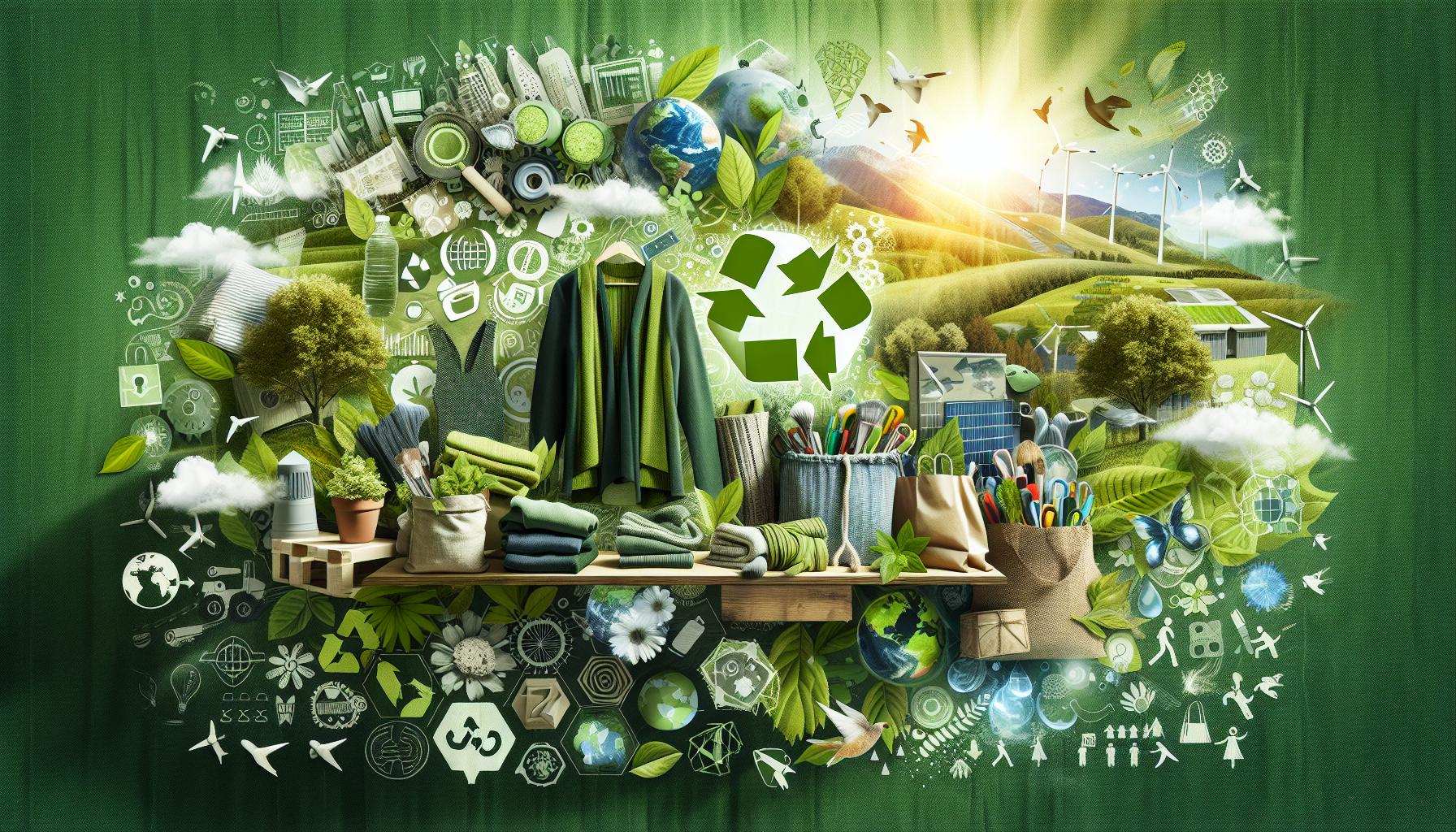
Fashion, as a staple of daily life, plays a significant role in defining individual expression and cultural identity. However, the detrimental effects of traditional clothing production, particularly within the fast fashion industry, have sparked urgent conversations around sustainability. This has led to the emergence of a transformative approach known as zero waste clothing. This concept revolves around the idea of designing garments in a way that eliminates textile waste entirely. By rethinking patterns and production methods, designers aim to create clothing that efficiently utilizes materials, ensuring that nothing is discarded without first being turned into something useful.
The core principle of zero waste clothing lies in the maximization of fabric utilization during the design and manufacturing process. Traditional garment production often results in significant waste, with off-cuts and scraps filling landfills. Conversely, zero waste design seeks to alter the way patterns are created, considering not just the garment’s aesthetic and functional requirements, but also the end-of-life scenarios for the materials used. This method involves innovative pattern-making techniques-such as geometric calculations and digital technology-that allow for the entire fabric piece to be transformed into a finished product, leaving little to no waste. Some designers even embrace modularity, creating pieces that can be mixed and matched without creating excess waste.
To better understand the practical application of zero waste clothing, consider the story of a fashion designer who transformed an entire collection using this philosophy. By adopting an innovative approach to pattern design, they crafted dresses from a single piece of fabric, and the off-cuts were repurposed into accessories such as bags and hats. Not only did this reduce waste significantly, but it also inspired consumers to appreciate the artistry and intentionality behind each item.
As awareness of environmental issues continues to grow, the quest for zero waste fashion represents a hopeful shift towards a more sustainable future in clothing. It’s not about completely overhauling your wardrobe overnight but focusing on incremental changes that encourage thoughtful consumption. By prioritizing brands that practice zero waste design and supporting individuals who champion these ideals, consumers can actively participate in a movement that not only seeks to preserve our environment but also promotes creativity and community within the fashion industry. By embracing this approach, we can redefine our relationship with clothing, finding a balance between personal expression and environmental responsibility.
The Environmental Impact of Fast Fashion
The alarming statistics surrounding the fast fashion industry reveal a stark reality: the average consumer is estimated to purchase 60% more items of clothing than a decade ago, yet they keep each piece for only half as long. This rapidly accelerating cycle not only fuels our desire for the latest trends but also has dire consequences for the environment. Every year, it is projected that over 92 million tons of textile waste is generated globally, much of which ends up in landfills, emitting harmful greenhouse gases. Understanding these figures is crucial, as they highlight the pressing need for alternative fashion paradigms, particularly the zero waste approach that seeks to mitigate such destructive practices.
Fast fashion’s impact extends far beyond the waste it generates. The production processes involved in creating low-cost apparel often result in significant water pollution and depletion. For example, the dyeing of fabrics consumes enormous amounts of water, with the process for a single pair of jeans potentially using around 2,000 gallons. Moreover, the chemicals from dyes and treatments frequently find their way into local water streams, harming aquatic life and communities. Additionally, the constant demand for raw materials contributes to the exploitation of natural resources, leading to deforestation and biodiversity loss. These environmental concerns are compounded by the social issues associated with fast fashion, notably the use of underpaid labor in unsafe working conditions.
In contrast, adopting zero waste clothing practices can help address these challenges. By rethinking design and production processes, this approach not only minimizes waste but also encourages sustainable sourcing of materials. Here are some effective ways zero waste clothing can contribute to environmental remediation:
- Enhanced Fabric Utilization: Zero waste design prioritizes the use of entire fabric pieces, drastically reducing the amount of textile waste produced.
- Sustainable Materials: These designs often utilize recycled or organic fabrics, fostering a circular economy that lessens reliance on virgin materials.
- Longer-Lasting Clothing: By focusing on quality and durability, zero waste garments promote a shift towards thoughtful consumption rather than the disposable culture encouraged by fast fashion.
- Community Engagement: Zero waste initiatives often foster local collaborations and workshops, building community bonds and collective education on sustainable practices.
As consumers become more aware of the effects of fast fashion, there is hope that shifting towards zero waste clothing can not only revitalize our wardrobes but also play a significant role in protecting our planet. By making informed choices, supporting ethical brands, and engaging in sustainable practices, individuals can contribute to an evolving fashion landscape that values both personal expression and environmental stewardship. This collective movement towards sustainability is not merely a trend; it’s a necessary evolution.
Key Principles of Zero Waste Design

The concept of zero waste design is revolutionizing the fashion industry by prioritizing eco-friendliness and sustainability in clothing production. At the heart of this movement lies the philosophy of doing more with less, ensuring not just the reduction of textile waste, but also reevaluating the entire lifecycle of clothing. This transformative approach is underpinned by several key principles that guide designers, businesses, and consumers towards a more responsible fashion ecosystem.
Principles of Zero Waste Design
- Pattern Efficiency: One of the most critical aspects of zero waste design is the clever manipulation of patterns. Designers create garments that use the full width and length of the fabric, resulting in minimal offcuts. Techniques such as drafting a design that fits into a pre-existing fabric shape or combining multiple pieces into a single layer can significantly reduce waste. Prominent designers, including Bode and the late Issey Miyake, have showcased how innovative pattern-making can yield stunning garments with zero leftover material.
- Multi-functionality: Zero waste clothing often incorporates pieces that serve multiple purposes. For example, a reversible garment allows wearers to enjoy different styles without needing to purchase additional clothing. This versatility reduces the need for excess items in wardrobes, encouraging thoughtful purchasing. Sustainable brands like Reformation and Everlane are successful examples of apparel that embrace this principle by offering quality designs that are not only functional but also stylish.
- Closed-loop Systems: Embracing a closed-loop system ensures that materials are reused and recycled indefinitely, minimizing the reliance on new resources. Zero waste fashion promotes the use of biodegradable fabrics and designs that can be collected, deconstructed, and remade into new garments at the end of their life cycle. Organizations like The Renewal Workshop are actively engaging in this model, providing brands with a means to refurbish and recycle damaged or unsold items.
- Consumer Engagement: Educating consumers plays a vital role in promoting zero waste principles. This involves encouraging conscious purchasing decisions and providing resources on how to care for, repair, and recycle clothing. Brands and designers can foster loyal communities by sharing stories of sustainability, focusing on transparency about their processes and materials. Workshops and initiatives, such as those organized by Fashion Revolution, empower individuals to be part of the solution in achieving zero waste in fashion.
By embedding these principles into clothing designs and consumer practices, the zero waste approach not only addresses the environmental impact of the fashion industry but also crafts a narrative of authenticity, creativity, and connection. As consumers become more savvy and discerning-seeking stories and values that resonate with their own beliefs-zero waste fashion stands as a beacon of hope for a more sustainable future in apparel. Through informed choices and supporting brands dedicated to these ideals, individuals collectively contribute to redefining the landscape of fashion towards a more responsible and ethical model.
Choosing Materials for Zero Waste Clothing

Choosing the right materials for zero waste clothing is a pivotal step towards fostering sustainable fashion. By focusing on eco-friendly fabrics and innovative sourcing methods, designers and consumers alike can significantly reduce their environmental impact. Not only does the choice of material influence the sustainability of a garment, but it also affects its longevity, comfort, and ability to be repurposed or recycled at the end of its life cycle.
One of the foremost considerations is opting for materials that are biodegradable or made from recycled content. Fabrics like organic cotton, Tencel (made from wood pulp), and linen are excellent choices, as they decompose more readily than traditional synthetic materials. This means that when these garments eventually reach the end of their usefulness, they contribute less to landfill waste. Additionally, brands like Elizabeth Suzann and Nudie Jeans exemplify the use of organic and recycled materials while maintaining stylish and functional designs that resonate with conscious consumers.
Another key aspect is the emphasis on local and sustainable sourcing. Fabrics that are produced nearby not only require less transportation-which reduces carbon emissions-but also support local economies. For instance, using fabrics from local mills that prioritize sustainable practices adds value beyond just the garment itself. It encourages a connection between the designer and their materials, fostering a deeper appreciation for the clothing that people wear. Furthermore, opting for deadstock fabrics-those that are leftover from previous production runs-helps divert excess textiles from waste streams and can lead to unique, one-of-a-kind pieces.
Considerations for Material Selection
- Biodegradability: Choose natural fibers or those that can decompose, minimizing long-term waste.
- Recycled Materials: Fabrics made from post-consumer waste reduce the need for new resources.
- Local Sourcing: Supports local economies while reducing shipping emissions.
- Durability: Selecting high-quality materials ensures clothing lasts longer, reducing the frequency of replacement.
Innovative solutions like “circular textiles” are also gaining traction within the industry. These materials are designed with their entire lifecycle in mind, making them easier to recycle into new products rather than ending up in landfills. For example, Patagonia and H&M have invested in producing garments from materials that can be continuously recycled, showcasing a commitment to reducing waste and supporting a more circular economy.
Ultimately, choosing sustainable materials is not just about making environmentally friendly garments; it’s also about making informed decisions that align personal values with broader societal goals. By prioritizing zero waste materials in fashion, both designers and consumers can actively participate in creating a more sustainable future, transforming the fashion industry one garment at a time. With every informed choice, individuals contribute to a collective movement toward responsible consumption and a healthier planet.
How to Build a Sustainable Wardrobe
Building a sustainable wardrobe isn’t just about buying a few environmentally friendly pieces; it’s about cultivating a collection that reflects conscious choices and aligns with a Zero Waste philosophy. A well-curated wardrobe helps minimize waste and encourages a deeper appreciation for the clothing we wear. By making mindful decisions about what enters your closet, you can transition toward a fashion lifestyle that is both stylish and sustainable.
One of the first steps in this journey is to audit your existing wardrobe. Take a moment to assess what you already own. Identify items that you love but may not wear often, as well as pieces that no longer serve you. Consider donating, selling, or upcycling clothing that you no longer wear instead of discarding them. This not only clears space for new additions, but it also prolongs the life cycle of those garments, keeping them out of landfills.
Prioritizing Quality Over Quantity
Investing in high-quality, timeless pieces is key to a sustainable wardrobe. When shopping, focus on garments that are versatile and durable. Look for classic silhouettes that can be styled in multiple ways, ensuring that each piece can be worn for different occasions. Brands such as Everlane and Reformation exemplify this approach, prioritizing both style and sustainability without sacrificing quality. It’s generally more effective to have a few well-made items that last season after season than a plethora of cheaper clothing that quickly wears out.
Implementing a Conscious Shopping Strategy
Adopting a mindful shopping strategy can transform your purchasing habits. Before acquiring new items, ask yourself a series of questions: Do I need this? Will I wear it often? Is it made from sustainable materials? Establishing a waiting period-such as 30 days-before making a purchase can help resist impulse buying and allow for more intentional decision-making. Additionally, consider supporting ethical and local brands that align with your values, such as those featured in community sustainable fashion markets.
The Art of DIY and Upcycling
Injecting creativity into your wardrobe can elevate your sustainability journey. Embracing DIY techniques allows you to personalize your clothing while reducing waste. Whether it involves simple sewing alterations, dyeing fabrics, or completely transforming an old garment, these practices foster a deeper connection with your clothes. For instance, turning an oversized shirt into a stylish crop top or using scraps to create accessories not only minimizes textile waste but also celebrates individual expression.
By nurturing these sustainable practices in your wardrobe, each purchase and clothing transition becomes a statement of your commitment to a healthier planet. As you strive for a Zero Waste lifestyle, remember that every small choice contributes to larger systemic change, inspiring others to consider their fashion impacts as well. Together, through conscious consumerism and creativity, we can redefine the future of fashion.
DIY Zero Waste Clothing: Tips and Tricks
Creating clothing from scratch or revamping old pieces might seem daunting, but embracing DIY techniques is a powerful way to engage in zero waste fashion. Not only do these practices help you avoid contributing to the waste produced by the fast fashion industry, but they also offer a unique avenue for self-expression and creativity. From simple hemming to full garment reconstruction, the world of DIY is ripe with opportunities to innovate while being sustainable.
To start your DIY journey, consider the items you already have in your wardrobe. Clothing often holds sentimental value, and rather than tossing items just because they no longer fit your style, think of ways to repurpose them. Here are some effective strategies:
- Alterations: Basic sewing skills can go a long way. Simple modifications such as taking in the sides of an oversized garment, creating a frayed hem, or adding patches can refresh your look without buying new clothes.
- Dyeing: A few drops of fabric dye can transform a faded piece into a new staple. Experimenting with natural dyes made from plants, spices, or even coffee can yield beautiful, one-of-a-kind results.
- Accessorizing: Use fabric scraps to create accessories like headbands, bags, or even patches for jeans. This not only reduces waste but also adds a personal touch to your outfits.
- Combining Pieces: Why not turn two items into one? For instance, merging an old shirt with a skirt can produce a unique summer dress, expressing your creativity and saving fabric from the landfill.
Before you dive in, it’s important to gather the right tools. Basic supplies like scissors, needles, thread, and fabric glue are essential for most projects. For those looking to enhance their skills, consider taking a local workshop or online class focused on sewing and upcycling. Many community centers or craft shops offer resources, and learning from experienced mentors can greatly improve your confidence and technique.
Moreover, the DIY ethos extends beyond just personal projects. Join local or online crafting communities to share ideas, swap materials, and inspire each other. Platforms like Instagram and Pinterest abound with tutorials and innovative concepts that can spark your creativity. By engaging in these groups, you can forge connections with like-minded individuals who are equally passionate about sustainable fashion.
Incorporating DIY practices into your wardrobe doesn’t simply reduce waste; it allows you to connect more deeply with your clothing, reminding you of the time and effort that went into creating or revamping each piece. As you embark on this journey, remember that every small action contributes to a broader movement toward responsible fashion.
Repurposing and Upcycling for Zero Waste Fashion
Unleashing creativity through repurposing and upcycling can transform how we perceive our clothing. In fact, an estimated 92 million tons of textiles are discarded globally each year, contributing to an ever-growing landfill crisis. By creatively rethinking and revitalizing what we already own, each of us can play a pivotal role in combating this waste while expressing our unique style.
Repurposing involves taking an existing item and adapting it for a new use, while upcycling elevates these items into something more valuable or aesthetically pleasing. The beauty of these practices lies in their accessibility and potential for individuality. For example, old T-shirts can be turned into stylish tote bags, and jeans with a torn knee can be transformed into chic shorts or even patchwork skirts. By incorporating a bit of creativity, you can give your wardrobe a sustainable makeover.
Steps to Get Started with Repurposing and Upcycling
- Identify Items to Transform: Begin by assessing your closet for garments that you no longer wear but still hold value. Think about pieces that simply need a little love or can serve a new purpose.
- Gather Inspiration: Platforms like Pinterest and Instagram offer endless ideas for repurposing clothing. From DIY blogs to tutorial videos, the inspiration available can guide you through varied projects.
- Experiment with Techniques: Consider mending, dyeing, or adding embellishments to your clothing. Simple sewing skills allow you to take charge of your wardrobe creatively. Experiment with patches, embroidery, or even fabric paint for a personalized touch.
- Create a Plan: Before you dive into your projects, outline what you want to achieve with each item. Sketching your ideas can help you visualize the final outcome and make the process more enjoyable.
Benefits of Repurposing and Upcycling
Embracing these practices not only minimizes waste but also promotes a deeper connection between you and your clothing. Each item becomes a reflection of your tastes and creativity rather than a disposable commodity. On a community level, participating in clothing swaps or upcycling workshops can strengthen social ties and foster a culture of sustainability.
Additionally, the environmental benefits are substantial. By extending the life of your garments, you can significantly decrease the demand for new textiles, ultimately reducing the resources and energy spent on producing new clothing. This shift not only lightens your ecological footprint but asserts a powerful statement against the fast fashion industry’s wastefulness.
Transforming the way we view our wardrobe can lead to a more sustainable future, where style meets sustainability. By repurposing and upcycling, we contribute to a collective movement toward zero waste, simultaneously nurturing our creativity and passion for fashion. Each effort adds up, impacting not just our surroundings but also inspiring others to reconsider the lifecycle of their clothing.
Ethical and Local Brands Supporting Zero Waste
The rise of ethical and local brands dedicated to zero waste clothing represents a significant shift in the fashion industry. These brands not only address the pressing environmental issues created by fast fashion but also champion transparency, fair labor practices, and community engagement. By prioritizing sustainable methods, they empower consumers to make informed choices while elevating the aesthetic of everyday wear.
One of the standout features of ethical and local brands is their commitment to zero waste design. This approach minimizes textile use and encourages creative patterns that utilize every inch of fabric. For instance, brands like Reformation and Amour Vert have become popular by offering chic garments made from sustainably sourced materials, while their manufacturing processes are structured to reduce waste to nearly nothing. MUD Jeans, another inspiring example, operates on a circular model where customers can lease jeans and return them for recycling, ensuring that materials are continually repurposed.
Supporting Your Local Economy
By opting for local brands, consumers not only reduce their carbon footprint but also stimulate their regional economy. Local businesses typically have shorter supply chains, resulting in lower emissions from transportation. Moreover, supporting these establishments fosters community connection and bolsters local artisanship. Look for small boutiques that feature locally produced zero waste fashion options, or check community events like craft fairs to discover talented designers creating unique pieces from surplus materials.
How to Identify Ethical Brands
When navigating ethical and sustainable fashion, consider these criteria to identify brands that support zero waste principles:
- Transparency: Brands that openly share their sourcing, manufacturing practices, and waste reduction metrics are often more trustworthy.
- Sustainable Materials: Look for organizations that utilize organic cotton, Tencel, or recycled fabrics in their collections.
- Certifications: Certifications like GOTS (Global Organic Textile Standard) or the Fair Trade label can signify a commitment to ethical practices.
- Innovative Design: Brands that employ zero waste design principles creatively minimize fabric usage and often create stylish, one-of-a-kind pieces.
In a world where every purchase carries weight, supporting ethical and local zero waste clothing brands fosters not only environmental sustainability but also social responsibility. By shifting consumer behavior toward these conscientious choices, individuals can take meaningful steps toward reshaping the fashion landscape. The collective impact of our decisions can inspire larger systemic change, proving that fashion can indeed be a force for good.
The Role of Consumer Behavior in Sustainable Fashion
Shifting consumer behavior is pivotal in the movement towards sustainable fashion and zero waste clothing. Recent surveys reveal that over 60% of consumers are willing to change their shopping habits if they believe it benefits the environment. This awareness not only influences purchasing decisions but also holds the power to reshape entire industries. When consumers prioritize sustainability, they send a clear message to brands: ethical practices matter. This collective demand compels companies to adapt, innovate, and frequently transition toward environmentally friendly practices.
Understanding the concept of conscious consumption is crucial. Everyday choices about clothing can significantly impact both the environment and the fashion industry. For example, favoring high-quality pieces over fast fashion allows consumers to invest in garments designed to last longer and endure multiple wears. Choosing to buy from brands that utilize zero waste design principles demonstrates a preference for sustainability while encouraging continuous innovation in fabric utilization. Engaging in second-hand shopping or clothing swaps can also reduce landfill waste and increase the lifecycle of garments, promoting a circular economy.
Mindful Decision-Making
When selecting clothing, consider these actionable steps to ensure your consumer behavior is aligned with zero waste principles:
- Research Brands: Investigate clothing brands to understand their practices. Look for those committed to sustainability, transparency, and innovative waste reduction strategies.
- Assess Your Wardrobe: Perform regular decluttering sessions. Identify pieces you love and wear often, and let go of those that no longer serve you, preferably by donating or exchanging them rather than throwing them away.
- Embrace Quality Over Quantity: Shift your focus from buying many low-cost items to selecting fewer, higher-quality clothes that truly fit your style and needs.
- Participate in Community Initiatives: Join local events or online communities that advocate for sustainable fashion, whether it’s a swap meet or workshops on upcycling.
As consumers demand more from the fashion industry, brands can no longer afford to neglect sustainability in their practices. By consciously choosing where and how to shop, individuals not only elevate their personal style but also contribute to a broader societal shift. Each purchase has the potential to support ethical production, champion local artisans, and advocate for sustainable practices. Ultimately, the role of the consumer serves as a vital force in reimagining the fashion landscape, forging a path where style and sustainability coexist harmoniously.
Zero Waste Fashion Events and Communities to Join
Engaging in zero waste fashion extends beyond individual choices; it thrives in vibrant communities that foster collaboration and creativity. Participating in events and connecting with like-minded individuals not only enhances personal knowledge and skills but also amplifies the impact of sustainable practices in clothing. Such spaces encourage sharing ideas, resources, and experiences, forging stronger ties within the movement toward a more sustainable future.
Community-driven events like clothing swaps, where participants exchange gently used garments, embody the principles of circular fashion, keeping items in circulation while reducing waste. Organizing or attending workshops on zero waste techniques offers hands-on opportunities to learn valuable skills, such as mending, upcycling, and sewing, which can further decrease the reliance on fast fashion. Moreover, events like pop-up markets featuring local designers who embrace zero waste practices provide a platform for ethical shopping while supporting sustainable businesses.
Key Events and Communities to Explore
- Clothing Swaps: Many cities host regular clothing swap events, facilitating exchanges among community members. Look for these in local community centers, schools, or eco-conscious organizations.
- Zero Waste Workshops: Check for workshops offered by local artisans or environmental organizations focused on upcycling, sewing, or fabric dyeing techniques that minimize waste.
- Online Communities: Join social media groups or platforms dedicated to sustainable fashion discussions. Websites like Reddit or Facebook often have dedicated forums where you can connect, share, and learn.
- Sustainable Fashion Markets: Attend markets that showcase ethical brands and artisans promoting zero waste techniques. These events often feature talks and panels where you can engage with experts in sustainability.
Connecting with these communities not only enriches the journey toward sustainable fashion but also empowers individuals to make informed choices that resonate with a collective mission. It is in these shared spaces that the movement gains momentum, challenging conventional notions of consumption and reshaping the narrative around clothing into one that values sustainability and creativity. By collaborating and supporting one another, we can all contribute to a more sustainable future in fashion.
Future Trends in Zero Waste Clothing
The evolution of zero waste clothing is gaining remarkable momentum in the fashion industry, reflecting a significant shift towards sustainability and conscious consumerism. As environmental concerns grow, innovative designers are exploring creative methods to minimize fabric waste while crafting functional and stylish pieces. This forward-thinking approach does not just aim for less waste; it seeks to redefine how we view our wardrobes and the lifecycle of clothing.
One of the most exciting future trends is the integration of advanced technology in fabric production and design. Techniques such as 3D knitting and digital fabric printing are enabling designers to create garments tailored precisely to consumer needs, reducing excess fabric and energy consumption. For instance, some brands are experimenting with modular clothing that can be easily adapted or reconfigured, allowing wearers to customize their looks without needing to purchase new items. This not only extends the life of a garment but also encourages individual expression through sustainable practices.
Consumer behavior is also shifting towards mindful purchasing, with many increasingly gravitating towards brands that prioritize transparency and responsibility. As sustainability becomes mainstream, educational platforms and initiatives are emerging to guide consumers towards understanding their clothing’s environmental impact. Brands that focus on storytelling-sharing the journey of their products from design to production-are resonating deeply with eco-conscious shoppers.
Embrace Circular Fashion
A significant trend to watch is the rise of circular fashion initiatives. This innovative approach promotes the recycling and repurposing of materials, thereby reducing the demand for new resources. More clothing brands are adopting take-back programs, where customers can return worn items for recycling or refurbishment. These initiatives foster a sense of shared responsibility while extending the lifecycle of clothing, making sustainability an integral part of not just fashion but everyday life.
Community Engagement and Collaboration
Lastly, community-driven models are set to play a pivotal role in the zero waste movement. Collaborative workshops and local sewing circles are becoming popular, where individuals come together to share skills and resources. This model not only fosters creativity but also builds a supportive network for those interested in sustainable fashion. Engaging with local artisans and participating in community events can empower individuals to make conscious choices while nurturing a collaborative spirit that extends the reach of zero waste practices.
By embracing these future trends, we can collectively move towards a more sustainable approach to fashion that respects both our planet and our individual identities. The journey toward zero waste clothing is not merely a response to environmental urgency; it is a celebration of creativity, community, and the endless possibilities of mindful living.
Inspiring Stories: Individuals Embracing Zero Waste Fashion
The journey of individuals towards zero waste fashion is as diverse as it is inspiring. Across the globe, advocates are redefining style while embedding sustainability into their everyday lives. One remarkable story comes from a community-driven initiative in a small town where residents banded together to create a “clothing swap” event. This event allowed locals to rejuvenate their wardrobes without the need for new purchases, effectively reducing waste. By directly exchanging clothes, participants experienced a sense of camaraderie and shared purpose, highlighting that sustainability can be a collective effort, reinforcing the power of community.
Another compelling example is an urban fashion designer who turned to zero waste principles after being disillusioned by the fast fashion industry. By adopting a meticulous approach to pattern making, the designer utilizes every scrap of fabric, transforming what would normally be waste into accessories and smaller garments. This approach not only reflects a commitment to sustainability but also enriches the design process, pushing the boundaries of creativity. Such stories remind us that every detail counts and that innovative thinking can lead to both functional and fashionable results.
Embracing zero waste fashion often begins with small, intentional changes in habits. Many individuals have found joy in DIY projects, crafting their own clothing from upcycled materials, thrift finds, or even fabric remnants. These projects not only serve as a creative outlet but also empower individuals to take control over their consumption patterns. For instance, one mother shared her experience of turning her daughter’s old bedsheets into summer dresses for her child, demonstrating how resourcefulness can give rise to style without contributing to landfill overflow.
Furthermore, the power of storytelling cannot be overstated within zero waste communities. Consumers are inclined to connect with brands that share their journey, practices, and transparency about sourcing and manufacturing. A prominent brand that has gained traction among eco-conscious shoppers is one that highlights its artisans’ stories and sustainable practices on social media platforms. By championing the individuals behind the garments, they foster a deeper relationship with their audience, creating advocates rather than just customers.
As these inspiring stories illustrate, zero waste fashion embodies a mindset shift that champions resourcefulness, creativity, and community. By taking part in activities such as clothing swaps, embracing the DIY ethos, or supporting ethical brands, individuals can contribute to a transformative movement that not only lessens environmental impact but also inspires others. The path to sustainable fashion is a journey where every choice-no matter how small-can lead to profound change, both personally and collectively.
Faq
Q: What is zero waste clothing?
A: Zero waste clothing refers to fashion produced without generating textile waste. Designers use innovative patterns and designs to maximize fabric use and minimize cut-off scraps, contributing to sustainable fashion practices by extending the lifecycle of textiles.
Q: How does zero waste clothing contribute to sustainable fashion?
A: Zero waste clothing reduces environmental impacts by minimizing landfill contributions and resource consumption. It promotes sustainable practices by encouraging the use of eco-friendly materials and improving the efficiency of the fashion production process.
Q: Why is zero waste fashion important?
A: Zero waste fashion is important because it addresses the environmental crises caused by textile waste and pollution. It fosters responsible consumerism and sustainable production methods that protect ecosystems and communities, making fashion more eco-friendly.
Q: Where can I find zero waste clothing brands?
A: You can find zero waste clothing brands through online platforms dedicated to sustainable fashion, local boutiques specializing in eco-friendly attire, or through directories that list zero waste and sustainable businesses. Many brands showcase their offerings on social media and e-commerce websites.
Q: How can I incorporate zero waste clothing in my wardrobe?
A: To incorporate zero waste clothing, start by choosing versatile, eco-friendly pieces that can be styled in different ways. Consider second-hand shopping for zero waste brands and do research on brands that prioritize minimal waste in their production processes.
Q: What materials are commonly used in zero waste clothing?
A: Common materials in zero waste clothing include organic cotton, linen, hemp, and recycled fabrics. These materials not only reduce waste but also promote sustainability by being biodegradable or utilizing recycled content.
Q: Can zero waste clothing be stylish?
A: Yes, zero waste clothing can be highly stylish! Many designers focus on aesthetics alongside sustainability, creating trendy and fashionable pieces that look great while being ethical choices. Innovative designs often feature unique cuts and styles that stand out.
Q: What are the challenges of zero waste clothing production?
A: Challenges of zero waste clothing production include increased costs for sustainable materials, limited consumer awareness, and scaling production while maintaining sustainable practices. Overcoming these challenges requires education and a shift in consumer demand towards eco-friendly options.
Insights and Conclusions
As we wrap up our journey through “Zero Waste Clothing: Sustainable Fashion for Everyday Wear,” remember that every sustainable choice you make contributes to a healthier planet. By embracing zero waste clothing, not only do you reduce environmental impact, but you also support an industry shift toward more ethical practices. Now is the perfect time to transform your wardrobe sustainably-start today!
If you’re eager to dive deeper into sustainable practices, check out our articles on ethical fashion brands and learn about the life cycle of sustainable clothing. Also, consider signing up for our newsletter to stay updated on the latest tips and resources in sustainable fashion. Together, we can drive the change our world needs-leave a comment below to share your thoughts and let us know how you’re making a difference!
Get our latest guides, news, and insights highlighted in your Google Search & AI Overviews.


