
Did you know that over 150 million cell phones are retired each year in the United States alone? Many of these devices end up in landfills, contributing to e-waste and environmental challenges. However, recycling your old cell phone not only helps reduce this impact but can also provide you with cash or benefit a charity of your choice.
As consumers increasingly upgrade their devices, the need to ensure these gadgets are disposed of responsibly becomes crucial. Cell phones contain valuable materials that can be reused, and by recycling, you contribute to a circular economy that minimizes waste and promotes sustainability. Whether you’re looking to declutter your home, earn some extra cash, or support a worthy cause, understanding where and how to recycle your old cell phone is essential.
Curious about your options? In this guide, we’ll explore the best places to recycle your old cell phones, helping you make an informed choice that aligns with your values while benefiting the planet.
Where to Find Recycling Programs for Old Cell Phones
Though old cell phones outlive their usefulness for many, they can still play an important role in sustainability. Finding the right recycling program is crucial not only for reducing electronic waste but also for potentially earning cash or donating to charities. Several avenues exist for recycling your old device, ensuring both convenience and environmental responsibility.
National Retailers
Many national retailers have taken steps toward sustainable practices by offering recycling programs for old electronics. Places like Best Buy and Walmart enable customers to drop off their old phones in-store, simplifying the recycling process. Some retailers may even offer gift cards or discounts in exchange for your trade-ins, making it financially beneficial as well.
Manufacturer Programs
Major cell phone manufacturers often host their own recycling initiatives. Companies like Apple, Samsung, and LG allow users to return old devices directly through their websites or brick-and-mortar locations. Apple, for instance, has a trade-in program where you can receive credit based on the value of your phone, while Samsung provides similar offerings that can be used towards new purchases.
Charitable Organizations
Many nonprofit organizations accept old cell phones for reuse or recycling. This is an excellent way to contribute to a cause while responsibly disposing of your device. Groups like Cell Phones for Soldiers and HopeLine by Verizon collect used phones, ensuring that proceeds aid veterans or victims of domestic violence. These programs not only recycle the components but also repurpose devices to provide crucial assistance to individuals in need.
Community and Local Initiatives
Check with local recycling centers and community organizations, as many towns have designated days for electronic waste disposal. Libraries, schools, and even municipal offices may collaborate with recycling firms to facilitate these events. Such community-driven initiatives are often aimed at reducing landfill waste and promoting ecological efficiency.
No matter the route you choose, engaging in eco-friendly practices helps promote a cleaner environment while maximizing the benefits from your old phone.
Top Companies Offering Cash for Used Cell Phones
In today’s rapidly advancing technology landscape, old cell phones can often be seen as obsolete. However, numerous companies are eager to turn these seemingly useless devices into cash, making the recycling process both lucrative and environmentally beneficial. Engaging with these companies not only allows consumers to declutter their homes but also fosters sustainable practices.
Leading Trade-in Programs
Several recognized brands offer trade-in programs that allow consumers to receive cash or store credit for their used devices:
- Apple: Known for its extensive ecosystem, Apple provides a trade-in program where customers can receive credit towards new purchases. The value depends on the phone model and condition, making it an enticing option for Apple enthusiasts.
- Samsung: This tech giant also offers competitive trade-in values for old devices, which can be redeemed when purchasing new Samsung products, ensuring customers get the best deals when upgrading.
- Best Buy: With its robust electronics recycling initiative, Best Buy allows users to trade in old devices for store credit, encouraging responsible disposal while rewarding customers.
Specialized Buyback Services
Beyond major retailers, several online platforms specifically focus on buying old cell phones. Companies like Gazelle and Decluttr make it easy for users to check phone values through straightforward online evaluations. After agreeing to the quoted price, consumers can ship their devices for free, receiving payment swiftly. These services are particularly useful for those looking to sell multiple devices without the hassle of listing them on marketplaces.
For those motivated by both financial gain and social good, these trade-in programs and buyback services present practical solutions for responsibly recycling old cell phones while earning cash. Transitioning from ancient technology to new devices shouldn’t just benefit consumers; it can also support broader environmental sustainability efforts.
Charitable Organizations Accepting Old Cell Phones
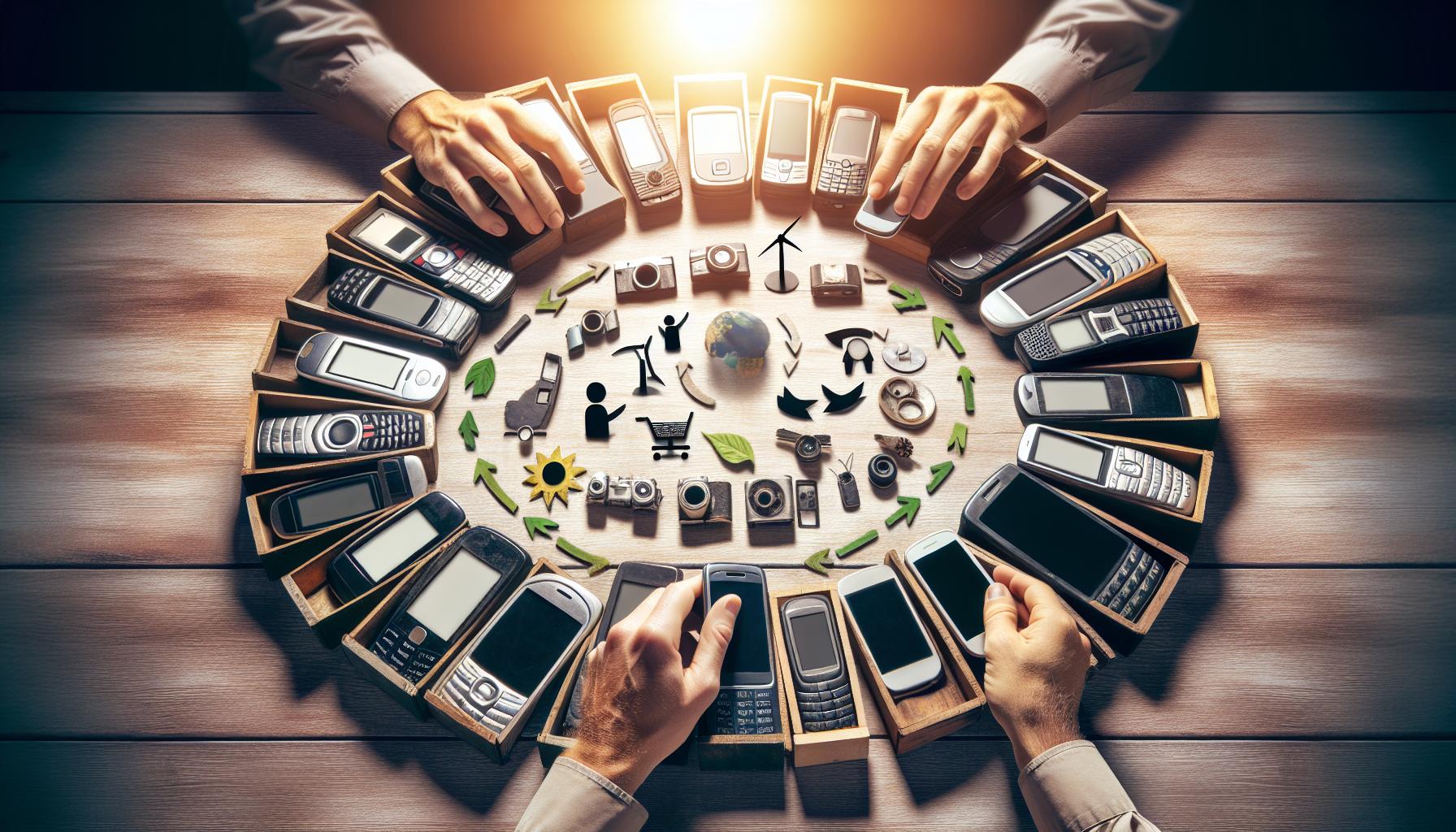
Donating old cell phones not only helps individuals declutter but also supports numerous charitable organizations working toward significant social impact. Many established charities accept old devices, allowing you to transform your outdated technology into valuable resources for people in need. By participating in these initiatives, you can contribute to various causes while ensuring that your old cell phone is disposed of responsibly.
Benefits of Donating
When you donate your cell phone, you often do more than just provide a device. Many organizations will refurbish the phones for reuse or recycle them in an environmentally friendly way, maximizing the positive impact. Here are some notable charities that accept cell phones:
- Cell Phones for Soldiers: This organization provides free communication services to active-duty military members and veterans. Donating your old cell phone helps fund calling cards and services, enabling soldiers to stay connected with their loved ones.
- HopeLine by Verizon: Verizon’s HopeLine program collects used cell phones, which are either recycled or refurbished. Proceeds from sold devices go toward domestic violence prevention programs and support services for survivors.
- Donation of Phones to Local Shelters: Many local shelters and non-profits accept old cell phones to distribute amongst those in need, ensuring they have access to communication in case of emergencies.
- Secure the Call: This organization provides free cell phones to seniors, individuals with disabilities, and survivors of domestic violence, promoting safety and communication for vulnerable populations.
How to Donate Your Old Cell Phone
Donating your old phone is easy and often involves a simple process. Here are the steps you can take to contribute:
- Choose an Organization: Research and select a charity that aligns with a cause you care about.
- Check Donation Guidelines: Each organization may have specific requirements regarding the condition and type of phone they accept.
- Erase Personal Data: Always reset your device to factory settings and remove any personal information before donating. This step is crucial for protecting your privacy.
- Drop Off or Ship: Many charities have drop-off locations or provide prepaid shipping labels for sending your device.
Participating in cell phone donation programs connects you with broader community engagement. By contributing your old devices, you help extend the life of the technology while fostering a more sustainable approach to consumer electronics. Embracing these charitable avenues allows for meaningful change, ensuring that your once-loved device serves a new purpose and aids those in need.
How to Prepare Your Cell Phone for Recycling
Before recycling your old cell phone, it’s essential to prepare it properly. A well-prepared device not only ensures your personal information remains secure but also enhances the chances of your phone being refurbished or recycled effectively. More than 150 million mobile phones are discarded each year, and how you handle your old device can significantly impact the environment and local community. Here is a practical guide to ready your cell phone for recycling.
Start by backing up your data. Whether it’s important contacts, cherished photos, or crucial app data, ensure everything you want to keep is safely stored in the cloud or on another device. Most smartphones have built-in options for backing up data, making this process straightforward. Once you’ve secured your essentials, it’s time to move on to cleaning the device.
- Factory Reset: Resetting your phone restores it to its original settings, erasing all personal data, apps, and preferences. This step is crucial to protect your privacy. Instructions for factory resetting vary by device, so check your manufacturer’s guidelines for specific directions.
- Remove SIM and Memory Cards: Take out any SIM cards and external memory cards. These not only contain personal information but may also be reused in other devices.
- Thoroughly Clean the Device: Wipe down the exterior of your phone to remove dirt, smudges, and germs. A clean phone is more appealing and can increase its resale value if you opt for selling.
It’s also beneficial to research your recycling options before taking the next steps. Many manufacturers and retailers offer recycling programs, and understanding how they process old devices can guide you in making an informed choice. Some programs may opt for refurbishment, where they fix, update, and resell devices, while others may dismantle phones for parts and materials.
Lastly, if you’re donating your phone to a charity, you may want to check their specific guidelines. Different organizations have unique requirements and preferences. By preparing your device thoughtfully, you not only ensure secure disposal but also contribute to a sustainable future, promoting responsible usage of electronics. Your once-loved cell phone can thrive again-whether through reuse or recycling, it can continue to make a positive impact.
Environmental Impact of Recycling Cell Phones
Each year, millions of cell phones reach the end of their life cycle, contributing significantly to electronic waste. It’s estimated that nearly 50 million metric tons of e-waste are generated globally, containing toxic materials like lead, mercury, and cadmium, which can pose serious environmental hazards. Fortunately, recycling cell phones can mitigate these impacts while also conserving valuable resources. When you recycle an old device, not only do you help reduce the amount of rubbish in landfills, but you also play an essential role in a broader circular economy that emphasizes sustainability.
The Lifecycle of E-Waste
When discarded cell phones are tossed aside carelessly, they can end up in landfills, where toxic components leach into soil and water, harming ecosystems and human health. Conversely, recycling diverts these devices from such fates. Through proper recycling processes, materials like copper, gold, and plastic can be reclaimed and reused. In fact, the extraction of metals from recycled electronics requires significantly less energy compared to mining raw materials. For example, recycling just one million mobile phones can recover 24,000 pounds of copper, 16,000 pounds of silver, and 350 pounds of gold-resources that would otherwise require extensive mining operations.
Community Impact and Global Considerations
The environmental benefits of recycling cell phones also extend to local communities. Many recycling programs not only aim to protect the environment but also create job opportunities in recycling centers. These facilities often require skilled workers to manage, sort, and process electronic waste, fostering local economies. Beyond local impact, the global implications are equally crucial; electronic waste recycling reduces the demand for new raw materials, decreasing ecological damage worldwide. Furthermore, it helps communities in developing countries avoid hazardous e-waste disposal practices often seen when discarded electronics are unlawfully shipped to their shores.
Among the various recycling options available, consumers are empowered to make a difference. Whether choosing a charitable organization or commercial recycling program, each action contributes to a larger movement towards sustainable practices. Engaging in responsible recycling not only addresses immediate environmental concerns but also promotes a culture of awareness and responsibility regarding electronic waste. By passing on your old cell phone for recycling, you’re not just discarding a gadget; you are actively participating in a solution that benefits both our planet and future generations.
Understanding the Value of Old Cell Phones
Most people may not realize that the unused cell phones gathering dust in their drawers hold more than just sentimental value; they can represent a significant financial resource. In fact, old cell phones can contain precious metals, rare minerals, and other materials that, when properly recycled or sold, can yield surprising returns. Recent estimates suggest that a widespread recycling initiative could unlock billions of dollars worth of materials from electronic waste, offering both environmental benefits and financial incentives for individuals.
One of the primary reasons old cell phones hold value is their component makeup. Many smartphones are equipped with valuable metals like gold, silver, and palladium, which are essential for various electronic functions. Additionally, iron and copper from the devices can be repurposed. When you choose to recycle or sell your old phone, you can potentially enjoy financial compensation while contributing to sustainable practices. For example, companies offering cell phone buyback programs often pay cash based on the device’s condition, age, and market demand.
Factors Influencing Value
Several factors can affect the resale or recycling value of your cell phone:
- Brand and Model: High-demand brands and flagship models tend to retain value better than older models.
- Condition: The phone’s physical and functional state plays a significant role; devices that are less damaged and fully operational fetch higher prices.
- Market Trends: The resale value fluctuates with market demand, which can be influenced by new product launches or technological advancements.
Exploring the second-hand electronics marketplace through various online platforms can help you gauge the potential value of your device. Many services provide instant quotes based on the details you provide, allowing you to make informed decisions. Even if you opt for a recycling program over direct selling, many programs collaborate with companies that extract and sell valuable materials from old devices, ensuring both you and the environment benefit from this circular economy.
Ultimately, understanding the tangible value of old cell phones can inspire action towards responsible recycling and selling. By recovering valuable resources, you not only gain financially but also contribute to a more sustainable electronic lifecycle. This approach can empower individuals to make eco-conscious decisions that positively influence our planet and promote a culture of recycling in their communities.
Recycling vs. Selling: Which Option is Better?
Deciding whether to recycle or sell your old cell phone can be a pivotal choice, not just for your wallet but also for the environment. With millions of cell phones discarded each year, understanding the implications of each option can help you make a more informed decision that aligns with your values and needs. Selling your device straightforwardly allows you to pocket some cash, while recycling contributes to the sustainable lifecycle of electronics, preserving valuable materials and protecting the environment.
When considering selling your old cell phone, various platforms provide an array of options. Websites like eBay, Swappa, or Gazelle enable users to list their phones directly, reaching potential buyers eager for discounted devices. This route can maximize your financial return if your phone is in excellent condition and a desired model. However, be prepared for the time investment in creating listings, responding to inquiries, and possibly negotiating prices. Your return may also vary with market fluctuations and buyer demand.
On the other hand, recycling can also yield financial benefits, particularly through buyback programs offered by companies like Best Buy or ecoATM. Though the cash return might not be as high as your potential earnings from selling, these programs typically offer convenience and quick transactions. Additionally, some recycling options donate proceeds to charitable organizations, allowing you to contribute to a good cause while ensuring your device is disposed of responsibly.
Ultimately, the choice between recycling and selling hinges on personal priorities. If immediate cash is your primary concern, and your phone is in good shape, selling could be the better option. Conversely, if you value environmental sustainability and wish to support charitable causes, recycling may align more closely with your values. Regardless of your decision, educating yourself on the implications of both avenues can empower you to take actionable steps towards reducing electronic waste and promoting a greener future.
Key Considerations
- Cash Value: Evaluate the potential money you could gain from selling versus the recycling options available.
- Environmental Impact: Consider the benefits of recycling, including how it helps conserve resources and reduce e-waste.
- Convenience: Assess how much time and effort you want to invest in selling your phone compared to using a quick recycling program.
- Community Contribution: Think about whether you would prefer your old device to contribute to a charitable cause through recycling.
Both recycling and selling old cell phones present unique advantages, and considering your priorities and motivations can help you make a choice that benefits both yourself and the planet.
Local Initiatives for Cell Phone Recycling
With the rapid advancement of technology, local initiatives for recycling cell phones are popping up in communities across the country, offering convenient and responsible options for disposing of old devices. Engaging with these local programs not only helps alleviate the burden of electronic waste but also fosters a sense of community responsibility towards sustainability. Many municipalities have established drop-off centers for e-waste, including cell phones, where residents can hand in their old devices for proper recycling.
One effective example of a local initiative includes the collaboration between schools and recycling programs. Some schools partner with organizations that accept old phones in exchange for donations that support educational resources. This not only encourages students and families to recycle but also empowers them to contribute positively to their school environment. Additionally, local retailers often host recycling days, where customers can bring in their old phones and receive discounts on future purchases, making it a win-win situation for both consumers and the environment.
Ways to Get Involved
There are several ways to participate in local recycling initiatives:
- Research Local Programs: Check your town or city’s website for information on scheduled e-waste collection days or permanent drop-off sites.
- Organize Community Drives: Rally your neighborhood to collect old phones for recycling and work with a local charity or recycling center.
- Advocate for Recycling Programs: Support or initiate discussions in local government meetings about the importance of establishing more robust e-waste recycling programs.
- Engage with Social Media: Follow local environmental groups or city pages that promote recycling events and share this information within your community.
By utilizing these local initiatives, you can play an active role in reducing electronic waste while potentially benefiting your community. Understanding how to responsibly dispose of your old cell phone not only contributes to a healthier planet but also helps promote sustainable practices within your locality.
Tips for Responsible Electronic Waste Disposal
Every year, millions of cell phones end up in landfills, contributing to the growing problem of electronic waste. Improper disposal can lead to environmental hazards as these devices contain toxic materials that can seep into the ground and water supply. However, by making informed decisions on how to dispose of your old cell phone, you can play a crucial role in mitigating this issue while potentially benefiting your community or even your wallet.
To begin with, ensure that your personal data is completely wiped from the device. This involves performing a factory reset and, if possible, using data-erasing software to ensure all sensitive information is irretrievable. After securing your data, consider the various recycling options available. Local initiatives often provide drop-off locations or sponsored events where you can recycle your phone responsibly. Check websites such as your city’s waste management or recycling center for designated e-waste collection days or permanent drop-off points.
Explore Multiple Recycling Avenues
- Retailer Programs: Many electronics retailers offer take-back programs where you can return your old phone in exchange for store credit or discounts on new purchases. This not only helps the environment but also provides a financial incentive.
- Charitable Organizations: Numerous charities accept used cell phones, often refurbishing them for those in need or selling them to raise funds for their causes. Look for local or national organizations that can ensure your device is reused positively.
- Manufacturer Programs: Check if your phone’s manufacturer has a trade-in program. Many companies offer cash or vouchers in exchange for older models, making it easy to recycle while potentially reducing the cost of your next purchase.
Engaging in responsible electronic waste disposal not only protects the environment but also promotes community welfare. By choosing to recycle your cell phone, you contribute to a circular economy where materials are reused and repurposed, helping reduce the demand for new resources. Make recycling a habit and encourage others to do the same, fostering a culture of sustainability that positively impacts future generations.
What Happens to Your Cell Phone After Recycling?
After you drop off or send in your old cell phone for recycling, what happens next is a blend of sophisticated technology and environmental stewardship that ensures your device is handled responsibly. On average, over 50 million tons of electronic waste are generated globally each year, and understanding the recycling process can empower you to take part in helping reduce this figure. Your device’s journey typically involves several important stages, transforming it from outdated technology into valuable resources.
Initially, the recycling process begins with the collection of old phones at designated centers or through specific take-back programs. Once received, the phones are sorted based on their condition; those that can be refurbished are separated from the rest. For instance, thousands of devices are skillfully refurbished to extend their lifecycle, which not only helps bridge the digital divide but also significantly lessens environmental impact by reducing the need for new devices.
Breakdown and Recovery
Those devices that are beyond repair go through a meticulous dismantling process. Technicians disassemble the phones to salvage usable components such as circuit boards, batteries, and screens. Key materials extracted from old phones include:
- Metals: Precious metals like gold, silver, and palladium are highly valuable. Smartphones contain, on average, about 0.034 grams of gold per device, which can add up significantly when recycling on a large scale.
- Plastics: Non-recyclable plastics are processed separately and can serve as feedstock in creating new products.
- Glass: LCD screens are stripped of materials that can be reused in manufacturing new devices.
Once these materials are recovered, they are processed and sent to specialized facilities where they are purified and prepared for reuse in the production of new electronics or entirely different products. For example, the gold recovered from old phones can be used in new circuitry, thus closing the loop on resource usage.
Environmental Commitments
It’s important to understand that responsible recycling also helps ensure that hazardous materials from old electronics, such as lead, mercury, and cadmium, do not contaminate the environment. Many recycling programs comply with stringent environmental regulations, ensuring that all hazardous components are disposed of safely, thereby minimizing potential ecological harm. Companies committed to sustainability often provide transparency on their recycling processes, allowing you to track where your device ends up and how it contributes to a circular economy.
In conclusion, your old cell phone’s recycling process not only prevents electronic waste from clogging landfills but also highlights the inherent value of the materials within these devices. By choosing to recycle rather than discard, you are making an informed decision that supports a more sustainable future and benefits your community. Each action counts, and together, they foster a collective responsibility toward environmental preservation and technological innovation.
Maximizing the Cash Value of Your Old Cell Phone
When it comes to turning your old cell phone into cash, understanding its full potential is key. Many consumers are unaware that their devices often hold value beyond just their face value as a piece of technology. In fact, factors such as brand, model, age, and condition can significantly influence what you can earn from recycling or selling your old phone. By taking the right steps, you can maximize the cash value of your outdated device while contributing to a more sustainable future.
To start, research is crucial. Before parting with your phone, look into reputable platforms that buy used smartphones for cash. Websites like Gazelle, Decluttr, and eBay not only allow you to assess the potential value but also provide insights into recent selling prices for similar models. Once you have a fair estimate, you can decide if selling your phone outright for cash is the best option compared to recycling it for eco-friendly benefits.
Prepare Your Phone for Sale
Taking the time to prepare your old cell phone adequately can make a noticeable difference in its selling price. Here are some steps that can help increase its value:
- Clean Your Device: Thoroughly clean your phone, both externally and internally (if possible). A clean device presents better and may fetch a higher price.
- Restore Factory Settings: Reset your phone to factory settings and erase all personal information. This not only protects your privacy but also makes the device more appealing to buyers.
- Include Accessories: If you have the original box, charger, or any included accessories, include them when selling. These can enhance the perceived value of the product significantly.
- Assess Damage: Be honest about any wear and tear. Acknowledge scratches, dents, or non-functional parts in your listings; transparency builds trust and can avoid disputes later.
Timing Matters
Beyond preparation, timing is another factor that can elevate the cash value of your old phone. The demand for smartphones can fluctuate with the release of new models, as prices often drop shortly after a new line is launched. If your phone is still relatively recent and in good condition, consider selling it before newer versions of its model come out. Monitoring market trends and consumer sentiment can provide essential indicators for when to sell.
Finally, consider local initiatives or community programs that may offer incentives for recycling and selling old phones. Sometimes, local environmental groups provide cash for devices in exchange for supporting community projects, combining financial benefit with altruism. By , not only do you benefit financially, but you also become part of a larger movement toward sustainability and responsible waste management. Ultimately, each device has a story, and with the right approach, your old phone can contribute positively to both your wallet and the planet.
Frequently asked questions
Q: Where can I recycle my old cell phone for cash?
A: You can recycle your old cell phone for cash at various locations, including electronics retailers like Best Buy, trade-in programs from manufacturers (like Apple or Samsung), and specialized websites like Gazelle or Decluttr. Many of these options provide cash payments either through direct payment or gift cards.
Q: What charities accept old cell phones for donation?
A: Charities such as Cell Phones for Soldiers, HopeLine by Verizon, and the World Wildlife Fund accept old cell phones. Donating your phone helps these organizations fund programs and support various humanitarian efforts, making your contribution impactful.
Q: How do I prepare my old cell phone for recycling?
A: To prepare your old cell phone for recycling, ensure that you back up important data, perform a factory reset, and remove any personal information. Remove SIM and SD cards, and consider physically damaging the phone’s memory if you’re concerned about data safety before recycling.
Q: Are there any local e-waste recycling events for cell phones?
A: Yes, many communities hold e-waste recycling events regularly. Check with your local government website or waste management authority to find upcoming events where you can drop off your old cell phone along with other electronic waste.
Q: Can I recycle a broken cell phone for cash or charity?
A: Yes, many recycling programs accept broken cell phones. Companies like Gazelle or ecoATM often offer cash for non-working devices. Charities may also accept them, as they might repair or recycle parts for further use.
Q: What happens to recycled cell phones?
A: Recycled cell phones are typically disassembled for valuable parts or refurbished for reuse. The recycling process involves extracting hazardous materials responsibly and reclaiming metals like gold, silver, and copper, promoting environmental sustainability.
Q: How can I find a nearby cell phone recycling location?
A: To find a nearby cell phone recycling location, you can use online tools like Earth911 or call local electronics stores for information. Many providers also offer mail-in options, making it easier to recycle your device from home.
Q: Why should I recycle my old cell phone?
A: Recycling your old cell phone helps reduce electronic waste, conserves natural resources, and minimizes environmental pollution. It also contributes to community support when donating to charities, making recycling a responsible choice for both your device and the planet.
Wrapping Up
Recycling your old cell phones not only helps you earn cash or support a charitable cause, but it also plays a crucial role in reducing electronic waste and promoting sustainable practices. As you explore the options available for recycling, remember that every device recycled is a step toward a healthier planet. Don’t let your old phones collect dust-take action today!
For more tips on responsible electronics disposal, check out our guides on “Best Practices for Recycling E-Waste” and “How to Choose Sustainable Tech.” If you have any questions or want to dive deeper into eco-friendly practices, leave a comment below or subscribe to our newsletter for the latest updates and valuable resources.
The impact you can make is significant, and it starts with simple actions. Switch on the power of your choices, and let’s build a greener future together!
Get our latest guides, news, and insights highlighted in your Google Search & AI Overviews.