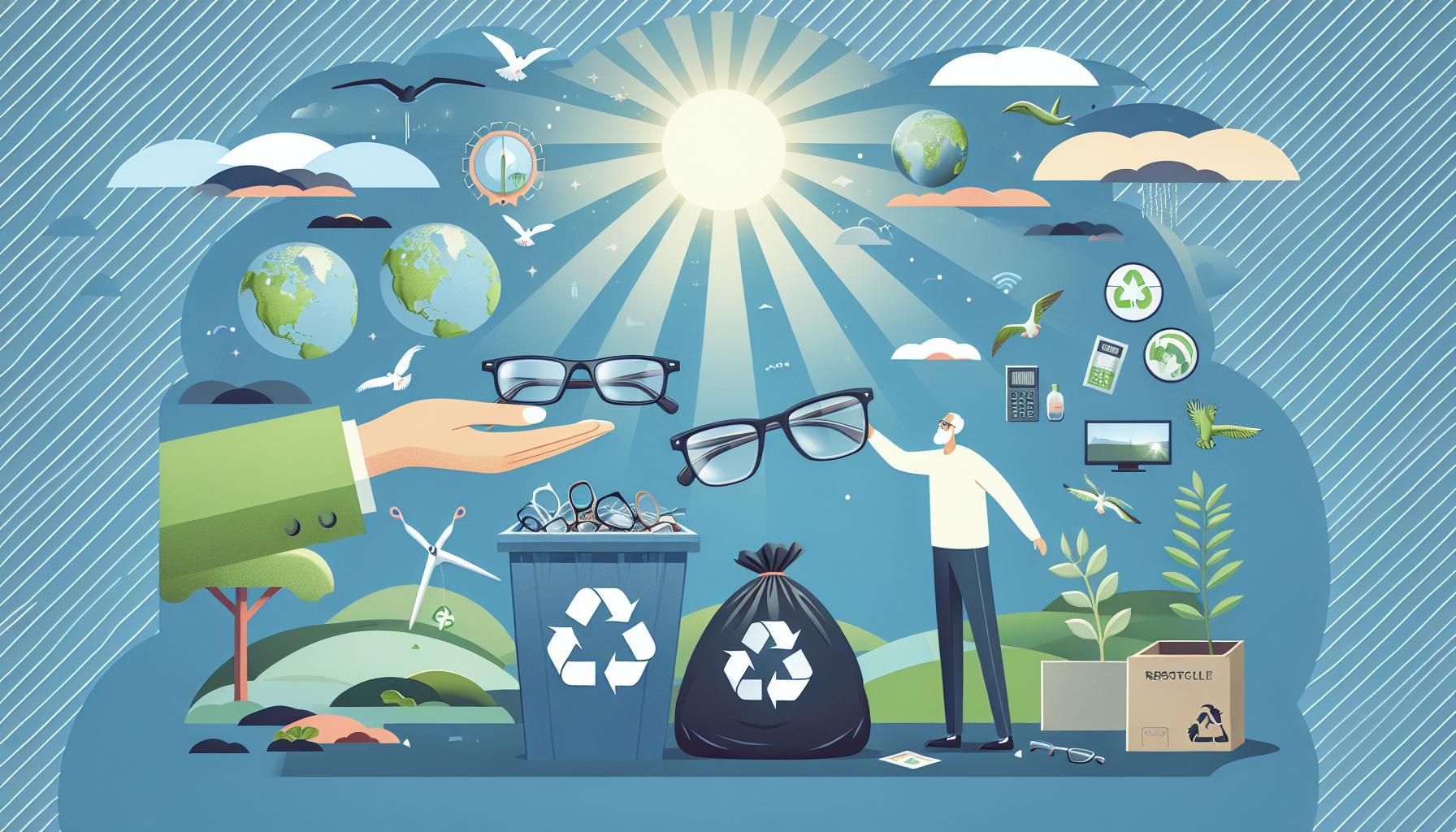

Did you know that nearly 4 million pairs of eyeglasses go unused each year? Instead of letting those frames gather dust, you can make a powerful impact by recycling them. This not only helps reduce waste, but also provides those in need with the gift of sight, transforming lives in communities around the world.
Many individuals hold onto old eyewear for various reasons-sentimental value, uncertainty about where to donate, or simply forgetting about them. However, recycling eyeglasses serves a dual purpose: it’s an opportunity to declutter your home while contributing to a cause that helps people regain their vision.
In this guide, you’ll discover where to recycle your eyeglasses effectively, learn about organizations that facilitate the process, and understand the difference your contribution can make. Join us in turning unwanted eyewear into invaluable resources for those who need them most. Your simple act can forge connections that transcend borders and improve lives-one pair of glasses at a time.
Where to Find Local Eyeglass Recycling Centers

Finding a local recycling center for your old eyeglasses can be a straightforward yet impactful step toward sustainable living and community support. Many people are unaware that eyeglasses, if not disposed of properly, can contribute to environmental waste, so knowing where to recycle them is vital. Thankfully, there are numerous options available for those looking to give their unused eyeglasses a second life while aiding others in critical need.
To locate nearby eyeglass recycling centers, start by checking with local optometrists and ophthalmologists. Many offices collect used eyewear, offering potential donation or recycling opportunities. Additionally, large chains such as LensCrafters and Pearle Vision often have programs in place to accept used glasses from their customers. These locations sometimes partner with non-profits to ensure that the glasses are repurposed for charitable causes.
Another great resource is the community centers or local charities in your area. Organizations such as Goodwill or Habitat for Humanity stores may accept eyeglasses, while many local hospitals or vision care organizations host specific collection drives for eyewear. A simple search online or a call to these facilities can provide the information you need. You can also check the websites of well-known national programs like OneSight or Lions Club International, both of which operate extensive networks to recycle and redistribute eyewear.
Consider looking at social media platforms or community boards such as Nextdoor or Facebook groups focused on local sustainability. Residents often share information about upcoming eyewear drives or local charitable initiatives that accept eyeglasses for recycling. Not only does this keep your glasses out of landfills, but it also contributes to creating a supportive network for vision care in your community.
By taking these steps to find local eyeglass recycling centers, you not only help the environment but also play a significant role in enhancing the quality of life for those who struggle with vision problems, thus truly gifting the power of sight to others in need.
The Environmental Impact of Eyeglass Disposal
Did you know that approximately 4 million tons of eyewear end up in landfills each year? With the materials used in glasses-including plastics, metals, and coatings-this disposal contributes significantly to environmental pollution. The environmental footprint of eyeglasses, if discarded improperly, extends beyond mere waste. The production of eyewear involves resource-intensive processes, including mining for metals and the use of petroleum-based plastics, which themselves present an array of challenges, from pollution to depletion of natural resources.
deserves attention, not just because of the waste generated, but also due to the broader implications associated with the lifecycle of eyewear. Traditional recycling processes for plastics and metals in eyeglasses often have low recovery rates, leading to inefficient resource use. Furthermore, the chemicals present in some eyeglass materials can leach into soil and groundwater when disposed of improperly.
How Recycling Makes a Difference
Choosing to recycle old eyeglasses can significantly mitigate these impacts. By diverting glasses from landfills, you contribute to a circular economy where materials are reused effectively. Here’s how recycling eyeglasses can create a positive ripple effect:
- Resource Conservation: Recycling reduces the need for new raw materials, conserving the Earth’s finite resources.
- Reduced Pollution: Less waste in landfills means reduced greenhouse gas emissions and lower soil and water contamination.
- Community Benefit: Many recycling programs partner with non-profits that distribute refurbished eyeglasses to those in need, directly improving lives while promoting sustainability.
In addition to the immediate benefits of recycling, participating in eyewear donation can inspire community action and awareness around sustainability. Local initiatives often spring from collective efforts to address environmental challenges, fostering a sense of responsibility and cooperation among community members. By engaging with local recycling programs, individuals can foster conversations about sustainability, create awareness of the broader impacts of waste, and promote a culture of reuse that influences future generations.
Taking Action
Ultimately, understanding the environmental consequences of eyeglass disposal empowers individuals to take action. Whether by recycling, upcycling, or donating, you hold the potential to make tangible changes that not only benefit the planet but also enhance the quality of life for those with vision impairments. This collective action transforms individual choices into a movement towards a more sustainable future, proving that even small efforts-like recycling a pair of glasses-can lead to significant, positive change.
Understanding the Eyeglass Recycling Process
Recycling eyeglasses is an often-overlooked aspect of sustainable waste management, yet it plays a crucial role in both environmental conservation and community well-being. The process of recycling eyeglasses involves several key steps that ensure materials are effectively repurposed, reducing both landfill waste and the demand for new resources.
Initially, collected eyeglasses are sorted based on their material composition-primarily plastics and metals. This sorting is essential because different materials require distinct recycling methods. For instance, plastic frames might be melted down and reformed into new products, while metal frames can be processed to reclaim valuable metals. Once sorted, glasses that are still functional can be refurbished and redistributed, often to non-profit organizations focused on providing vision care to underserved communities. These refurbished pairs are critical in helping individuals who otherwise cannot afford eyewear, demonstrating the powerful link between recycling and social impact.
The recycling process does not end with sorting; many organizations employ trained personnel to inspect the glasses for damage and ensure that only high-quality items are sent for further processing. Damaged glasses that can’t be repaired may still be salvaged for parts or broken down into raw materials, exemplifying the principle of waste minimization. In this way, even the least usable items can contribute to constructive outcomes rather than contributing to landfill overflow.
Moreover, community engagement is vital in the recycling of eyeglasses. Many local recycling initiatives involve partnerships with schools, clinics, and community centers that host collection drives. This not only raises awareness about the importance of recycling but also creates a sense of community responsibility. When individuals learn about the recycling process, they become part of a larger movement that celebrates sustainability and encourages ongoing participation. By understanding how their single contributions can protect the environment and provide resources to those in need, individuals are empowered to engage in these crucial activities regularly.
Ultimately, the journey of an eyeglass pair from a discarded item to a revitalized resource perfectly exemplifies the concept of a circular economy. By participating in such recycling processes, you are not just clearing your space of unused items-you’re making a meaningful impact on the planet and the lives of others.
Benefits of Donating Eyeglasses for Vision Aid
Imagine having the power to transform someone’s life simply by donating an old pair of eyeglasses. Many people around the world struggle with visual impairments due to lack of access to affordable eyewear, which can severely impact their quality of life. By donating unused eyeglasses, you not only contribute to sustainability efforts but also provide essential resources to those in need, creating ripples of positive change within communities.
Impact on Global Vision Care
Donating eyeglasses plays a vital role in supporting global vision care initiatives. Organizations like Lions Clubs International and VisionSpring collect and distribute donated eyewear to low-income individuals, particularly in developing nations. Without access to corrective lenses, countless individuals face challenges in education, employment, and daily activities. Your old glasses can change this, helping children read in school or enabling adults to work effectively. In many cases, such donations are part of larger health drives, where comprehensive eye exams are provided, and individuals receive the vision care they require to thrive.
Environmental Benefits
Beyond the social implications, donating eyeglasses significantly impacts environmental sustainability. When glasses are donated instead of discarded, it decreases waste reaching landfills. Eyewear materials like plastic and metal can take years to decompose, contributing to long-lasting pollution. By choosing to give your glasses a second chance, you are participating in reducing the overall carbon footprint associated with manufacturing new products. This aligns with the principles of a circular economy, where materials are reused and repurposed rather than wasted, showcasing a community’s commitment to reducing environmental harm.
How to Maximize Your Donation’s Impact
To ensure your donation makes the most impact, consider the following steps:
- Check Glass Condition: Ensure that the eyeglasses are in usable condition. Clean them properly and if applicable, provide the case.
- Find Local Organizations: Partner with local charities or eye care organizations that accept eyeglass donations. This ensures they reach those who need them most.
- Spread the Word: Encourage friends and family to join you in donating. A collective effort amplifies the impact and raises awareness about the importance of eye care.
By taking these simple actions, you become a catalyst for both environmental stewardship and social good, demonstrating how individual contributions can lead to profound collective outcomes. Donating your eyeglasses is not merely a charitable act; it’s a step toward creating a more equitable and environmentally sustainable society, proving that even the smallest gestures can leave lasting impressions on the lives of others.
How to Prepare Eyeglasses for Recycling
Before you send your old eyeglasses off to be recycled or donated, it’s essential to prepare them properly to maximize their impact and usability. A significant number of eyeglasses that find new homes through donation or recycling initiatives are often not in usable condition. By following a few simple steps, you can ensure your glasses are ready for their next chapter, whether it’s helping someone see clearly or being processed in an environmentally responsible manner.
Start by assessing the condition of your eyeglasses. Check for any damage such as broken frames, missing lenses, or loose screws. If your eyeglasses are in decent shape – meaning they can still be worn – it’s beneficial to clean them thoroughly. Use a soft, lint-free cloth and a gentle cleaner specifically designed for eyewear to remove smudges and dirt. It often helps to present them in their case, as this indicates they’ve been cared for and protects them during transport.
Once your eyeglasses are cleaned and assessed, it’s time to gather information about local donation and recycling options. Many organizations accept used eyewear, including local charities, hospitals, and schools that run vision care initiatives. You can also explore national programs like Lions Clubs International, which actively collect glasses for redistribution to those in need. Research a few locations and their specific requirements, as some might request a particular type of frame or lens material.
As you prepare to deliver your eyeglasses, consider following these additional tips for effective preparation:
- Remove Personal Information: If your glasses contained a prescription label, ensure that it is removed or obscured to protect your privacy.
- Include Extras: If you have cases, cleaning cloths, or other accessories that came with your eyewear, include these items in your donation as they can benefit the new user.
- Organize and Package: Place multiple pairs in a sturdy box or bag to keep them secure during transport. Label the package if you’re donating to a specific organization.
By taking these steps, you’ll be contributing not only to a more sustainable environment but also to the lives of individuals who will greatly benefit from your thoughtful donation. Every pair of eyeglasses you prepare for recycling or donation is a small act that has the power to ignite a larger movement towards vision accessibility and waste reduction.
Organizations That Accept Eyeglass Donations
Many individuals are unaware that their old eyeglasses can have a profound impact on communities in need. Donating eyeglasses not only helps reduce waste but also provides critical vision care for those who cannot afford it. Several organizations actively engage in collecting used eyewear, ensuring that these valuable tools are repurposed and find new lives enhancing the sight of others.
Local Initiatives and Charities
Many local charities and community organizations have established programs to accept eyeglass donations. Places such as local optometry offices, hospitals, and clinics often collaborate with non-profits to collect eyewear. Consider reaching out to organizations like the Goodwill or Salvation Army, which frequently accept eyeglasses as part of their general donation programs. These donations can be crucial for individuals within the community who may not have access to proper vision care.
National Organizations
National entities play a significant role in promoting eyeglass donation initiatives. One notable organization is Lions Clubs International, renowned for its efforts to improve the lives of those who suffer from vision loss. They collect used glasses from various drop-off locations around the world and redistribute them to individuals in need, particularly in underserved regions. Additionally, the VisionSpring organization works globally to provide affordable eyewear to low-income populations. They collect eyeglasses and offer vision care services, thereby facilitating access to essential visual support.
Environmental Organizations
Several environmental initiatives have emerged to address the issue of eyeglass waste. Programs such as Eyewear Recycling facilitate the collection of eyeglasses for recycling purposes. They work to ensure that the materials from obsolete eyewear do not end up in landfills, emphasizing a sustainable approach to eyewear. Supporting these initiatives helps reduce environmental impact while promoting a circular economy in the eyewear industry.
To find a donation location near you, consider using online resources or local community boards. Many organizations may have specific preferences, so it’s wise to check their donation guidelines in advance. Donating your eyeglasses can be a straightforward yet impactful way to contribute to both vision accessibility and environmental sustainability. Your old eyewear could be life-changing for someone who needs them and is a step toward a more sustainable future.
Creative Ways to Upcycle Old Eyeglasses
Old eyeglasses that may no longer serve their purpose as vision aids hold the potential to transform into delightful keepsakes or practical items for everyday use. Instead of tossing them into the trash, consider the myriad of creative avenues available for upcycling them. This not only prolongs the life of the materials but also contributes to a culture of sustainability while adding a personal touch to your space.
One of the most enjoyable ways to upcycle eyeglasses is by turning them into decorative art pieces. For instance, using old frames, you can create a unique photo collage by arranging multiple frames on a wall to display family and friends in a distinctive style. Alternatively, you can repurpose lenses as coasters or even as part of a colorful mobile. Just imagine hanging a vintage pair of eyeglasses from the ceiling, adding a quirky flair to any room.
Furthermore, old eyeglasses can find new life as functional items. Consider altering the frames into eyeglass holders or stands. With a bit of crafting, you can attach a string or small hook to the frames, creating a convenient place to hang your current specs. For those with a penchant for creativity, consider making bookmarks; by using just the arms of the glasses and attaching a decorative string, you can craft a whimsical solution for keeping your place in a book.
For those who enjoy gardening, eyeglasses can be crafted into planters. Remove the lenses and fill the frames with soil to create charming, miniature gardens. Even the arms can be used to stake young plants, adding both whimsy and utility to your green space.
In addition to individual projects, community workshops and craft groups often host events focused on upcycling items like eyeglasses. Participating in such gatherings can not only provide you with guidance and inspiration but also connect you with like-minded artisans in your area.
Ultimately, by adopting the mindset of upcycling old eyeglasses, you’re not just getting creative-you’re also contributing to a more sustainable future, repurposing materials that might otherwise end up in a landfill. Each project stands as a testimony to the value of rethinking waste, enabling you to give your old eyewear a second chance while fostering environmental consciousness in your community.
The Role of Eyeglasses in Global Vision Care
Eyeglasses play a pivotal role in global vision care, not only as tools for enhancing individual eyesight but also as vital instruments in addressing the broader public health challenge of uncorrected refractive error-a condition affecting over 2.7 billion people worldwide. The simple act of providing access to eyeglasses can dramatically improve quality of life, enabling individuals to participate fully in educational and economic activities. However, addressing the issue of vision care extends beyond just distribution; it encompasses sustainable practices which ensure that the eyewear ecosystem is both effective and environmentally responsible.
Throughout many developing countries, a significant number of individuals lack access to basic vision care services, primarily due to economic constraints or geographical barriers. Organizations like VisionSpring and OneSight actively work to bridge this gap by delivering affordable eyeglasses to underserved communities. These programs not only supply eyewear but also ensure that the glasses are suitable for local needs, emphasizing the importance of culturally relevant styles and appropriate prescriptions. By recycling used eyeglasses within these frameworks, we can amplify our impact, facilitating a continuous supply of corrective lenses to those in need while reducing waste.
The Life Cycle of Eyeglasses and Its Impact
When eyeglasses reach the end of their useful life for one person, they can still have extraordinary value for someone else. The recycling process transforms what would typically be discarded into resources that directly contribute to improving global vision care. After collection, many programs carefully inspect, refurbish, and redistribute these frames and lenses, ensuring that they are suitable for reuse. This not only saves money but also fosters an ethos of sustainability by reducing the environmental footprint associated with the manufacturing of new glasses.
- Refurbished Eyewear: Many organizations prioritize the reuse of eyewear, maximizing each pair’s lifespan.
- Local Workshops: Some programs empower local communities to repair and modify old frames, creating job opportunities while providing vision care.
- Education and Outreach: Initiatives often include educational components, helping communities understand the importance of vision care and how to access it.
By participating in eyeglass recycling initiatives, individuals are not merely decluttering but are actively contributing to global vision care. Every pair of glasses donated can serve as a lifeline for someone struggling with poor eyesight, allowing them the chance to pursue education, work, and lead fulfilling lives. In this light, recycling old eyeglasses serves a dual purpose: sustaining the environment while enhancing the quality of life for countless individuals across the globe.
Community Initiatives for Eyeglass Recycling
Communities around the globe are increasingly recognizing the importance of eyeglass recycling programs as a way to address both environmental challenges and the urgent need for vision care. Local initiatives not only facilitate the repurposing of used eyewear but also foster a sense of collective responsibility and community engagement. By coming together in this effort, individuals can ensure that no pair of eyeglasses goes to waste, while also providing critical support to those in need.
Local Eyeglass Recycling Efforts
Many communities have established dedicated programs that focus on the collection, refurbishment, and redistribution of used eyeglasses. For instance, local churches, schools, and civic organizations often host collection drives, inviting residents to donate their old eyewear. These events not only raise awareness about vision care but also serve as a great opportunity for community members to connect and collaborate on a meaningful cause.
Participants can take simple actions like organizing donation boxes in prominent locations, educating their peers about the recycling process, or volunteering their time to help sort and package collected glasses. Such initiatives demonstrate how grassroots efforts can lead to significant contributions in addressing the global problem of uncorrected vision issues.
Partnerships with Non-Profits
Community initiatives are often strengthened through partnerships with well-established non-profit organizations that specialize in vision care. Collaborating with groups such as LensCrafters’ OneSight or New Eyes allows local programs to tap into established recycling networks while also gaining access to resources and expertise in the field. These organizations often conduct training on how to properly inspect and prepare eyeglasses for recycling, ensuring that quality standards are met.
Support from local businesses can further amplify these efforts. Eyewear retailers can sponsor collection events or offer discounts for customers who donate their used glasses. Such collaborations create a win-win scenario, where businesses enhance their community engagement while contributing to a sustainable future.
Educational Outreach and Advocacy
In addition to recycling, many community programs incorporate educational outreach to raise awareness about the importance of vision care. Schools might host informational sessions that emphasize the need for proper eye health, especially in underserved populations. By engaging youth, these initiatives help instill a sense of environmental and social responsibility from a young age.
Advocated by passionate community members, awareness campaigns may also promote the message of recycling as not just a personal act, but a collective effort towards improving societal well-being. Organizing community events centered around vision care-such as free eye screenings or workshops on eye health-tackles the dual challenges of eyewear waste and lack of vision services simultaneously.
By actively participating in these community initiatives, individuals can play a pivotal role in reshaping the narrative around eyeglass disposal. Together, we can create a vibrant ecosystem of recycling, which not only helps to reduce waste but also changes lives, one pair of glasses at a time.
The Future of Sustainable Eyewear Solutions
As the global focus on sustainability intensifies, the eyewear industry is undergoing a significant transformation toward more responsible practices. In a world where discarded plastic contributes enormously to waste and pollution, innovative solutions are being developed to create sustainable eyewear that minimizes environmental impact while maintaining functionality and style. The movement towards sustainable eyewear centers around eco-friendly materials, ethical manufacturing processes, and enhanced recycling avenues-each factor contributing to a brighter future for both the planet and those in need of vision care.
Eco-Friendly Materials
The shift away from traditional plastic frames is leading to the exploration and adoption of alternative materials that are more sustainable. Manufacturers are increasingly turning to biodegradable substances, recycled plastics, and even natural resources like bamboo or wood. These materials not only reduce reliance on petroleum-based products but also offer a unique aesthetic appeal. Here are some examples:
- Recycled Plastics: Some brands are creating eyewear from post-consumer recycled plastics, giving a second life to materials that would otherwise end up in landfills.
- Bio-based Materials: Innovations like bio-acetate and bioplastics are derived from renewable resources, providing a more sustainable option without compromising durability.
- Natural Frames: Eyewear made from materials such as bamboo integrates seamlessly with nature while being lightweight and stylish.
By championing these materials, companies not only lessen their ecological footprint but also pave the way for a market that values sustainability as a key selling point.
Ethical Manufacturing Practices
In addition to sourcing sustainable materials, many eyewear brands are adopting ethical manufacturing practices that prioritize fair labor and environmental stewardship. This translates to transparent supply chains, support for local economies, and reduced carbon emissions in production. For instance, brands committed to ethical practices often engage in:
- Fair Trade Practices: Ensuring that workers receive fair wages and work in safe conditions contributes to community development and global equity.
- Low-Impact Production: Processes that reduce water usage and chemical waste play a crucial role in combating environmental degradation.
- Local Sourcing: Sourcing materials closer to production facilities not only cuts down transportation emissions but also bolsters local economies.
These initiatives not only resonate with environmentally-conscious consumers but also establish a legacy of corporate responsibility in the eyewear sector.
Enhanced Recycling and Donation Programs
To further combat the challenges of eyeglass disposal, the promotion of recycling and donation programs is essential. As awareness grows regarding the importance of recycling eyewear, both manufacturers and consumers have the power to make a lasting impact. Companies can lead by implementing take-back programs where customers can return old eyewear for recycling. Furthermore, collaboration with non-profits facilitates the donation of used glasses to underserved communities around the globe, effectively providing the gift of sight while also reducing waste.
Community-led initiatives play a crucial role in this movement. By organizing local collection events and educational workshops, individuals can champion the cause of recycling eyeglasses, thereby nurturing both environmental awareness and social responsibility.
In conclusion, as the eyewear industry continues to evolve, the future shines brightly with opportunities for sustainable solutions. By embracing eco-friendly materials, ethical manufacturing practices, and robust recycling efforts, we can together contribute to a healthier planet and improved vision care worldwide. It’s a chance for every consumer to be part of this change, ensuring that eyewear is not just an accessory but a vehicle for positive environmental and social impact.
FAQs About Eyeglass Recycling and Donation
The impact of recycling eyeglasses extends far beyond simply reducing waste; it plays a vital role in providing essential vision care to those in need. Many people are unaware of the valuable role they can play in this cycle by donating or recycling their unused or unwanted glasses. Below are some common questions people have regarding the recycling and donation of eyeglasses, alongside practical insights to guide their actions.
Where can I recycle or donate my old eyeglasses?
Eyeglasses can often be recycled or donated through various channels:
- Local Optometrists: Many eye care professionals accept old eyewear, often partnering with charities to facilitate donations.
- Community Organizations: Non-profits such as Lions Clubs frequently run eyeglass collection drives, collecting old glasses for distribution to those in need.
- Retail Locations: Some eyewear retailers have take-back programs where you can return your old frames for recycling or donation.
- Recycling Centers: Certain e-waste recycling centers accept eyeglasses as part of their operations. Research local facilities for availability.
What types of eyeglasses can I donate?
Most organizations accept a wide range of eyeglasses, including:
- Prescription Glasses: These are often the most sought after since many individuals in underserved communities require vision correction.
- Sunglasses: Non-prescription sunglasses can also make a difference, particularly in regions where UV protection is essential.
- Reading Glasses: Many people benefit from inexpensive reading glasses, especially in less affluent areas.
However, it is important to ensure that the eyeglasses are in good condition. Avoid donating broken or damaged glasses, as they may be difficult to repair or recycle.
Why should I bother with recycling or donating my eyeglasses?
The environmental benefits of recycling eyeglasses are significant. By diverting eyewear from landfills, we help reduce the plastic waste that contributes to environmental degradation. In addition, the donation process extends the life of these glasses, allowing them to serve individuals who may lack access to affordable vision care. A simple pair of glasses can change lives by enhancing educational and job opportunities, advocating for social equity, and improving quality of life. Many people do not realize that their old glasses can be a lifeline for someone else.
How can I prepare my eyeglasses for donation or recycling?
Preparing eyeglasses for donation is straightforward:
- Clean Them: Wipe down the lenses and frames to ensure they are hygienic and presentable.
- Remove Personal Accessories: Take off any personal items, such as cases or chains, unless the organization specifically requests them.
- Package Them Properly: Store the eyeglasses in a safe place or box to prevent damage during transportation.
By engaging in the recycling and donation of eyeglasses, you contribute to a circular economy, promote sustainability, and support those in need. The act of donating is both a personal and communal effort that embodies compassion and responsible citizenship. Every pair of glasses has the potential to make a difference-don’t underestimate the power of your old eyewear!
Eyewear Donation Drives and Events Near You
Finding local eyewear donation drives and events can be a transformative experience, not only for those who benefit from the eyeglasses but also for you as a donor. Many communities host events that encourage residents to donate their old glasses, allowing them to play a part in the global vision care movement. Whether it’s a seasonal collection or an ongoing community initiative, these drives turn an act of decluttering into a chance to help others see the world more clearly.
One of the key avenues for discovering these events is through local optometry offices. Many eye care professionals partner with organizations like the Lions Club to host collection drives. By contacting nearby optometry clinics or checking their websites, you can find information about upcoming donation events in your area. Public health organizations and community centers often advertise such initiatives, too, thus becoming a central hub for community health efforts. Utilizing local social media groups, community bulletin boards, and neighborhood apps can provide real-time announcements about these opportunities as they arise.
Another excellent resource is local schools and universities, which frequently engage in service-learning projects. These institutions might organize eyewear donation events as part of their commitment to social responsibility. Collaborating with students not only amplifies the reach of the donation drives but also educates future generations about the importance of sustainability and community service. Look for announcements in school newsletters or on college campuses.
Consider also the role of national organizations with local chapters, which often run campaigns that invite community participation. The American Optometric Association, for example, frequently promotes events focused on eye health and may have information on where you can donate eyeglasses. You can link up with their local affiliate or even volunteer at these events, further amplifying your impact.
Through these community-driven initiatives, each pair of eyeglasses becomes more than just an item; it transforms into a potential instrument of change, illustrating how simple acts can significantly improve lives. Donating your old eyewear during these events fosters a sense of community, encourages collective action, and promotes a culture of care and awareness surrounding vision health and environmental sustainability. Get involved, and take this opportunity to give the gift of sight to others while making a positive environmental impact.
Frequently Asked Questions
Q: Where can I recycle eyeglasses?
A: You can recycle eyeglasses through various local charities, optometrists, or recycling programs. Organizations like Lions Clubs International accept donations to provide eyewear to those in need. Check with your local eye care provider for any specific programs and opportunities for recycling eyeglasses.
Q: What types of eyeglasses can be recycled?
A: Most types of eyeglasses can be recycled, including prescription glasses, reading glasses, sunglasses, and safety glasses. Ensure that frames are intact and lenses are not broken, as these can be refurbished and redistributed, helping others gain the gift of sight.
Q: Why is it important to recycle eyeglasses?
A: Recycling eyeglasses is vital because it reduces waste while providing essential vision aid to those in need. Each pair of recycled glasses can make a significant difference in someone’s life, demonstrating a positive impact on both the environment and community health.
Q: When should I recycle old eyeglasses?
A: You should recycle old eyeglasses as soon as they are no longer usable for you. If you have a pair that you no longer wear or if your prescription has changed, consider donating them to a recycling program to ensure they can benefit someone else.
Q: How do I find recycling locations for eyeglasses near me?
A: To find recycling locations for eyeglasses near you, visit websites like Lions Club International or use local charity search tools. Many local optometry clinics also offer recycling options, making it convenient to give back to your community.
Q: What happens to recycled eyeglasses?
A: When you recycle eyeglasses, they are often cleaned, refurbished, and redistributed to individuals in need, particularly in low-income areas. This process not only helps develop community resources but also promotes sustainable practices by reducing landfill waste.
Q: Can I recycle my eyeglasses if they are broken?
A: Yes, you can recycle broken eyeglasses, though it may be more challenging. Check with specific programs as some organizations accept broken frames for parts or refurbishing. Herbal sustainability programs may also recycle parts for creative upcycling projects.
Q: How can I help others by recycling eyeglasses?
A: By recycling eyeglasses, you help provide crucial vision support to those without access to affordable eyewear. Consider organizing a local collection drive or spreading awareness to encourage others to donate their unused glasses. Every pair can make a difference!
For more information on the positive impact of eyewear recycling and ways to get involved, check out our detailed guide on “How Recycling Eyeglasses Benefits Your Community.”
In Summary
Thank you for exploring how to recycle eyeglasses and give the gift of sight! Remember, by donating your old eyewear, you’re not just decluttering; you’re providing essential vision support to those in need. If you’re eager to take immediate action, check out our guide on local donation centers or see our article on the environmental benefits of recycling eyeglasses.
Feeling unsure about the process? Don’t hesitate to reach out for help in finding a nearby donation location, or explore more resources in our sustainability section to learn how your actions can positively impact the community.
We invite you to join our newsletter for regular tips on eco-friendly practices and updates on future initiatives. Your journey towards making a difference doesn’t stop here-continue your exploration into topics like sustainable living and the impact of proper waste management. Together, we can turn small actions into monumental changes!
Get our latest guides, news, and insights highlighted in your Google Search & AI Overviews.