Did you know that cardboard is one of the most recycled materials globally? With the ever-increasing need for sustainable practices and a reduction in waste, understanding how cardboard is recycled is crucial for both individuals and businesses. This guide will unveil the intricate processes involved in cardboard recycling, highlighting its importance in conserving resources and protecting our environment.
As you read through this article, you’ll discover how your small actions can contribute to a larger movement towards sustainability. By embracing recycling, we not only reduce landfill waste but also foster a circular economy that replenishes the resources we take from the planet. Join us on this journey to unravel the steps involved in recycling cardboard and learn how you can make a tangible difference in your community. Continue reading to explore how thoughtful recycling practices can lead to a more sustainable future for all.
The Importance of Recycling Cardboard for Sustainability
Recycling cardboard is not just a way to manage waste; it’s a crucial practice that directly impacts sustainability and resource conservation. Did you know that recycling just one ton of cardboard can save more than 9 cubic yards of landfill space? By reducing the volume of waste in landfills, recycling cardboard helps preserve natural ecosystems and minimizes the environmental footprint associated with the production of new materials.
When cardboard is recycled, it undergoes a transformative process that not only conserves resources but also saves energy. The production of new cardboard from recycled fibers consumes significantly less energy compared to manufacturing it from raw materials. This leads to a reduction in greenhouse gas emissions, contributing to a healthier atmosphere. Furthermore, cardboard is largely made from renewable resources such as trees, making its recycling a sustainable practice that supports forest conservation efforts if done responsibly.
Engaging in cardboard recycling also fosters a sense of community responsibility and awareness about our consumption habits. Through initiatives that promote recycling, communities can inspire individuals and businesses to adopt more sustainable practices, leading to a culture of environmental stewardship. The act of recycling cardboard becomes a collective effort, inspiring others to reflect on their waste management choices and embrace more sustainable lifestyles.
In summary, recycling cardboard is an integral part of a sustainable future. It reduces waste, conserves energy and resources, and encourages community involvement in environmental protection. By understanding the importance of this practice, individuals can contribute to a more sustainable planet, making choices that will benefit generations to come.
Understanding the Cardboard Recycling Process
The cardboard recycling process is an intricate journey that transforms used cardboard into valuable raw materials, reducing waste and conserving resources. This process starts when discarded cardboard is collected and transported to recycling facilities, where it undergoes several crucial steps to ensure it returns to the manufacturing stream efficiently. According to the Environmental Protection Agency, recycling one ton of cardboard saves around 9 cubic yards of landfill space, an impactful statistic that underscores the importance of this practice in managing waste and promoting sustainability.
Collection and Transport
Initially, cardboard waste accumulates at homes, businesses, and industrial centers. Collection can occur through various means, including curbside pickup, designated drop-off centers, or direct transportation from businesses to recycling facilities. To maximize efficiency, many communities have implemented single-stream recycling, which allows residents to place all recyclables, including cardboard, in a single bin. This system not only simplifies the recycling process but also enhances participation rates.
Sorting and Processing
Once delivered to the recycling facility, cardboard goes through sorting. This step is vital to separate it from other materials and contaminants that could compromise the recycling quality. Automated systems equipped with optical scanners and air classifiers often play a role in this process. Following sorting, the cardboard is compacted into bales, making it easier to handle and transport. The bales are then sent to paper mills or further processed within the facility.
Pulping and Cleaning
At the paper mill, the cardboard is mixed with water and chemicals in a pulping machine to break it down into fibers. This slurry-like mixture undergoes thorough cleaning to remove any remaining contaminants, such as plastic or metal. The resulting pulp can be further bleached or left in its natural state, depending on the desired end product. This transformative step is essential in ensuring the fibers are ready for use in creating new cardboard products.
Sheet Formation and Drying
The clean pulp is then spread onto large machines that form sheets. These sheets consist of many layers, depending on the type of cardboard being produced. After being formed, the sheets go through a drying process using heated rollers to remove moisture, before being rolled up and prepared for shipment to manufacturers.
Through these carefully managed stages, cardboard recycling exemplifies how materials can be reused, thus contributing to a circular economy. From community collection efforts to advanced processing techniques, the entire process is designed not just to recycle, but to maximally utilize resources while minimizing environmental impact. Every piece of recycled cardboard contributes to a more sustainable future, highlighting the essential role individuals play in this ecosystem.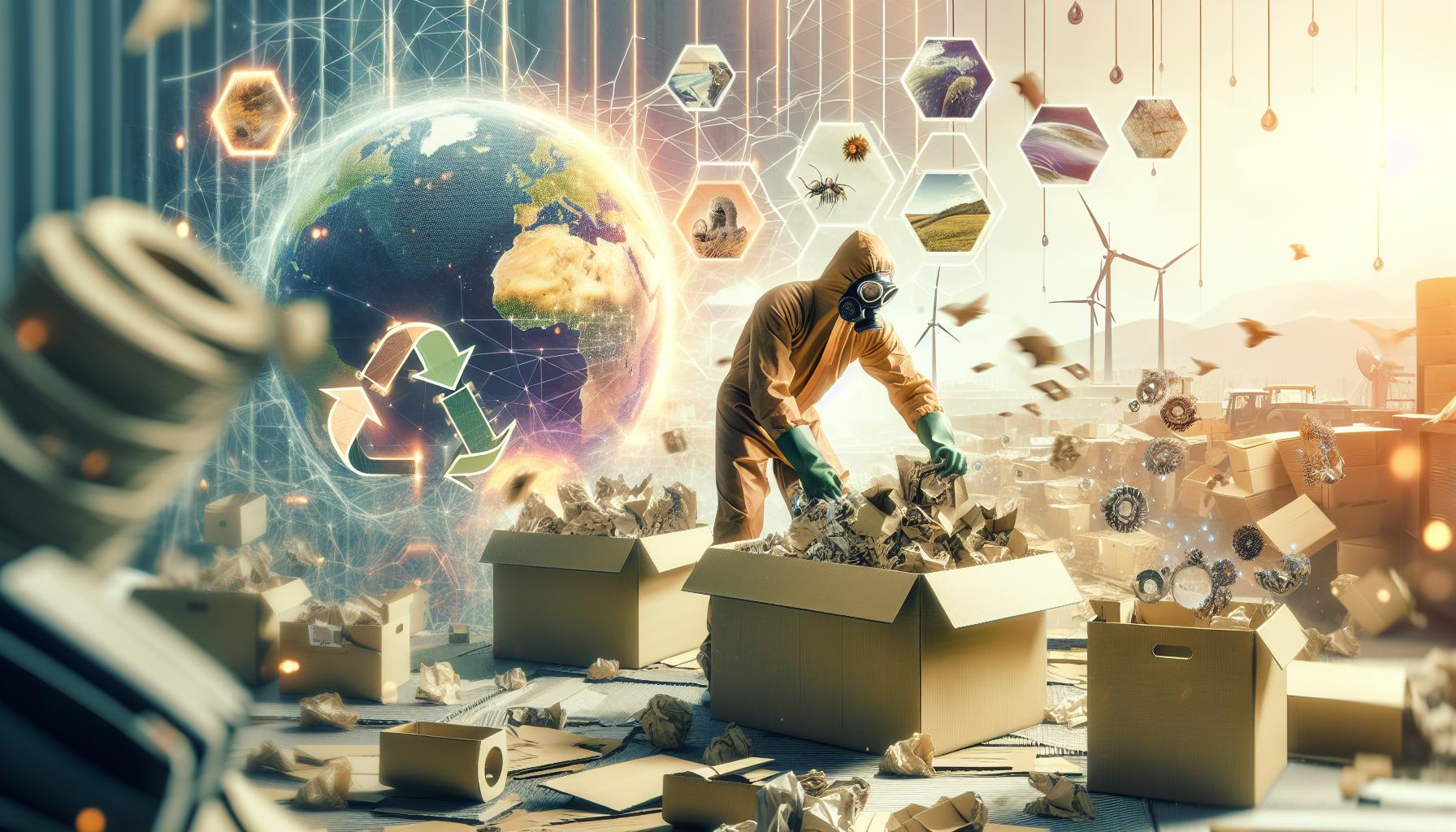
Steps Involved in Cardboard Collection and Sorting
The journey of cardboard from your home or business to a recycling facility begins with effective collection and sorting processes, crucial steps that significantly influence the quality of the recycled product. Did you know that in the United States alone, recycling programs capture over 80% of all cardboard generated? This impressive statistic highlights the commitment many communities have made toward sustainability and effective waste management.
Collection Methods
Cardboard collection is typically organized through a combination of residential and commercial programs. Here are some common methods:
- Curbside Pickup: Many municipalities provide curbside collection services, allowing residents to place their cardboard next to their recycling bins. This method promotes higher participation rates as it requires minimal effort from individuals.
- Drop-off Centers: For those who generate large amounts of cardboard, such as businesses and retailers, designated drop-off centers act as convenient locations to deposit recyclables. Many facilities have specific guidelines ensuring that only clean cardboard is accepted.
- Direct Transportation: Businesses with high volumes of cardboard often arrange direct pickup by recycling trucks, thereby streamlining the process and ensuring quick and efficient transport to recycling facilities.
Sorting for Quality
Once the cardboard is collected, the next critical stage is sorting. Contaminants, including plastic, metal, and other non-recyclable materials, can significantly lower the quality of the recycling process. To combat this issue, many recycling facilities employ advanced sorting technologies, integrating human oversight with mechanical efficiencies.
Typically, sorting involves several steps:
- Pre-sorting: Initially, materials are loosely sorted to remove obvious contaminants. Workers may manually check for any items that could disrupt the recycling process.
- Automated Sorting: Automated systems using optical scanners, conveyor belts, and air classifiers quickly identify and separate cardboard from other materials. This technology enhances speed while maintaining accuracy.
- Baling: Once sorted, acceptable cardboard is compacted into bales to conserve space and facilitate easier transport. This also helps standardize the product for the next phases of processing.
This meticulous sorting not only increases the percentage of cardboard that is successfully recycled but also improves the overall quality of the reclaimed material, ensuring it meets industry standards required for producing new products. By participating in these processes and adopting proper recycling habits, individuals and communities can serve as vital links in the sustainable lifecycle of cardboard. The impact on waste reduction and resource conservation cannot be overstated-each step, from collection to effective sorting, contributes to a cleaner, greener planet.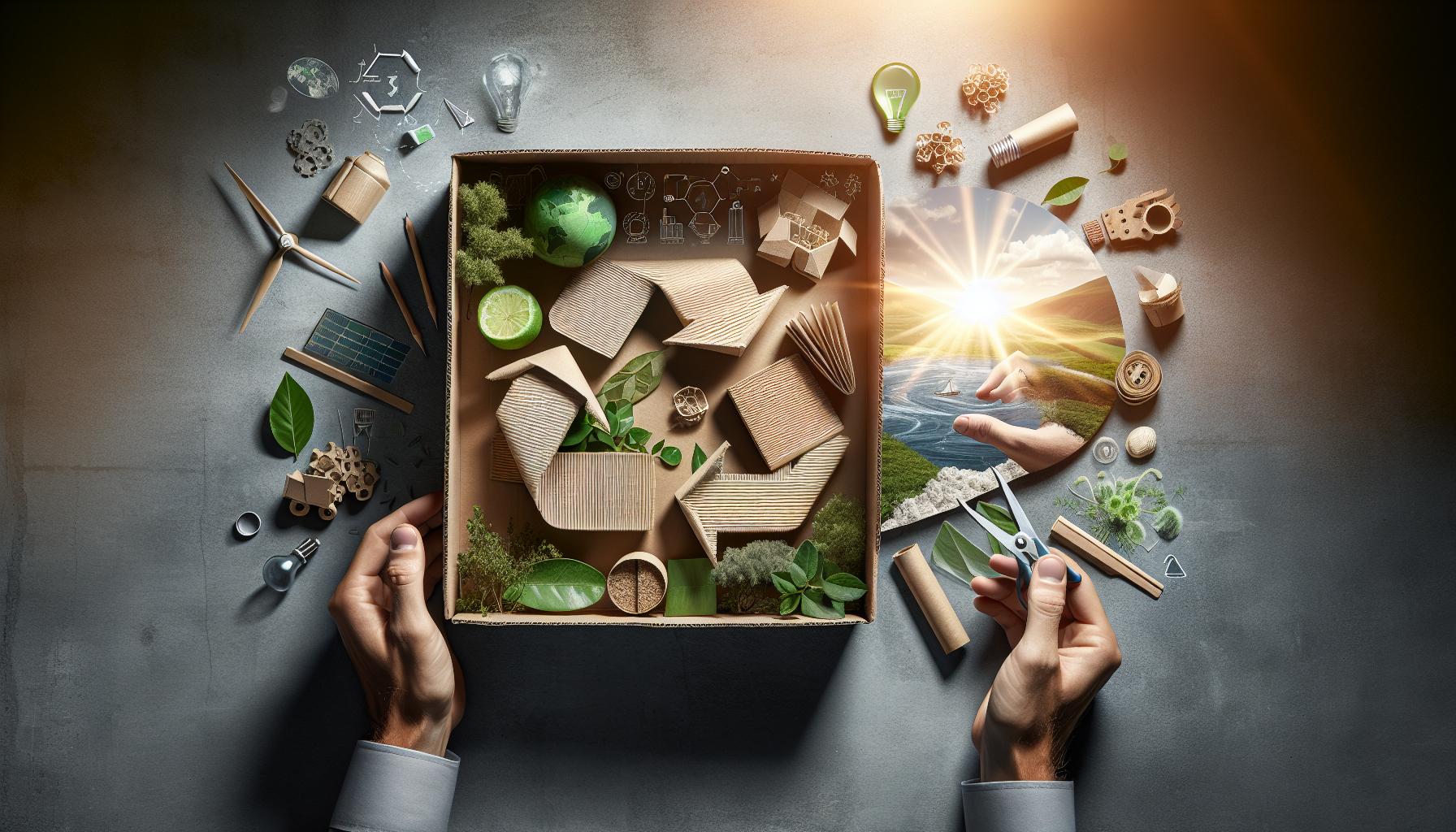
Transforming Cardboard into Recycled Pulp
Transforming used cardboard into recycled pulp is an essential step in the recycling process, playing a crucial role in reducing waste and conserving resources. This transformation begins after the cardboard has been collected and sorted. Clean, uncontaminated cardboard is first delivered to a recycling facility, where it undergoes a series of processing steps designed to break it down into fibers. Interestingly, recycling just one ton of cardboard can save energy equivalent to 46 gallons of oil, highlighting the significant environmental benefits of this process.
The transformation process starts with shredding the cardboard into smaller pieces. This shredding makes it easier to handle and prepares it for the next step, which involves mixing the shredded material with water and sometimes chemicals to create a slurry or pulp. This mixing action helps to further break down the fibers and separates them from inks and adhesives that may be present on the cardboard. Advanced pulping machines play a critical role here, efficiently turning the shredded cardboard into a homogenous pulp that is essential for the production of new paper products.
After pulping, the mixture undergoes a screening process to remove any remaining contaminants, such as small bits of plastic or metal. This is done through a combination of mechanical and hydraulic means, ensuring that only pure cardboard fibers are present in the final pulp. Once cleaned, the pulp can then be dried and formed into sheets, which are then rolled and prepared for distribution to manufacturers who will use it to create new cardboard products. This process not only reduces the demand for virgin materials but also minimizes the environmental footprint associated with producing packaging materials.
By understanding and supporting the recycling process, individuals can contribute significantly to sustainability efforts. Engaging in proper recycling practices and ensuring that cardboard is clean and dry before disposal maximizes the potential for transformation into new products. This collective effort not only aids in the conservation of natural resources but also fosters a more circular economy where materials are continually reused and repurposed.
The Technologies Behind Cardboard Recycling
The cardboard recycling industry has evolved significantly, with sophisticated technologies being developed to enhance the efficiency and effectiveness of the recycling process. From the initial shredding of cardboard to the production of high-quality recycled pulp, each stage employs specialized machinery designed to maximize resource recovery while minimizing environmental impacts.
One of the pivotal technologies in cardboard recycling is the shredding machine. This equipment breaks down large cardboard boxes into smaller, manageable pieces, which facilitates easier handling and processing. Diligent shredding not only speeds up the subsequent stages of recycling but also ensures that the material can be uniformly treated in the pulping phase. Following shredding, advanced pulping machines take center stage. These machines use a combination of water, chemicals, and mechanical agitation to convert shredded cardboard into a slurry of pulp. This process separates fibers from contaminants, such as inks and adhesives, enabling the production of clean recycled material.
After the pulping stage, it’s essential to remove any residual impurities. Here, screening equipment plays a crucial role. Utilizing both mechanical and hydraulic methods, screening devices sift through the pulp to eliminate non-fiber contaminants. The purity of the pulp is critical, as it directly affects the quality of the final recycled cardboard products. Once the pulp is adequately cleaned, it undergoes a drying process facilitated by specialized drying machines, transforming the slurry into sheets of recycled paper. These sheets can then be rolled up and dispatched to manufacturers for the creation of new cardboard products, effectively completing the recycling loop.
As technology advances, the future of cardboard recycling looks promising. Innovations such as AI-based sorting systems and automated packing are emerging, helping to streamline operations further and improve material recovery rates. By increasing efficiency at each step, these technologies not only yield more recycled cardboard but also support the transition to a more circular economy where sustainability is at the forefront. Understanding these technologies empowers individuals and communities to appreciate the intricate process behind cardboard recycling and encourages participation in sustainable practices, demonstrating that everyone can play a part in environmental stewardship.
How to Prepare Your Cardboard for Recycling
Preparing cardboard for recycling is crucial for ensuring that it is effectively processed and turned into new products. Did you know that properly preparing your cardboard can significantly increase the efficiency of recycling facilities? By taking simple steps to make sure your cardboard is clean and sorted correctly, you can contribute to a greener planet and support the recycling industry. Here’s how you can prepare your cardboard for recycling effectively.
First and foremost, always flatten your cardboard boxes. This not only saves space in your recycling bin or bag but also allows for easier handling by recycling workers and machinery. After flattening, remove any non-recyclable materials such as plastic tape, labels, or plastic inserts. While some recycling facilities can process materials with minimal contamination, it is best to keep your cardboard free from anything that might complicate sorting.
Another important preparation step is to ensure that your cardboard is clean and dry. Any food residue or moisture can contaminate the recycling stream, which may result in a lower quality of recycled material. If you’ve received packages containing food items, be sure to wipe down the surfaces and discard contaminated sections. Wet cardboard is also difficult to process, so keep it stored in a dry location until it is ready for recycling.
Additionally, some locals may offer specific guidelines or programs for cardboard recycling. Check with your local recycling program to understand their requirements. Different areas may have unique specifications regarding what types of cardboard can be recycled and how they should be prepared. This practice not only maximizes your contribution but also fosters a sense of community responsibility towards recycling efforts.
Lastly, engaging in recycling education within your community can help raise awareness about the importance of preparing cardboard correctly. Share tips with neighbors or organize community clean-up events focused on cardboard recycling. Every small action counts in the journey toward sustainable waste management, and your role in this transition can inspire others to follow suit. Remember, well-prepared cardboard is a significant step toward robust recycling processes and a healthier environment.
Common Misconceptions About Cardboard Recycling
Many people believe recycling cardboard is a straightforward process, but several misconceptions can hinder effective recycling efforts. One common myth is that any type of cardboard can be recycled without restriction. In reality, not all cardboard is suitable for recycling. For instance, cardboard contaminated with food, oils, or other substances can spoil an entire batch of recycled materials. When preparing cardboard for recycling, it is crucial to ensure it is clean and dry.
Another prevalent misunderstanding is the assumption that cardboard recycling is not worth the effort because the recycling rates seem low. However, according to recent data, the cardboard recycling rate was between 71% and 76% in 2023, demonstrating a successful effort in managing cardboard waste. This figure highlights the importance of each individual’s contribution; every small act of recycling adds up to significant environmental benefits. By engaging in cardboard recycling, individuals help reduce the demand for new raw materials, conserving resources and energy in the process.
Some people also think that mixed-material packaging, such as cereal boxes lined with plastic, can be recycled with regular cardboard. However, such materials may require special processing and are not always accepted in standard recycling programs. To maximize recycling efforts, it is advisable to check local guidelines on what types of packaging are accepted. Being informed about local recycling practices can enhance participation and increase the quality of materials entering the recycling stream.
Lastly, there is a misconception that recycling cardboard does not help combat climate change. In fact, recycling cardboard reduces greenhouse gas emissions significantly by decreasing the energy required to produce new cardboard from virgin materials. This shows how necessary community-wide efforts in recycling can contribute to a more sustainable future. By dispelling these myths and increasing public awareness of proper recycling methods, we can enhance our collective impact on the environment.
Environmental Benefits of Recycling Cardboard
Did you know that recycling just one ton of cardboard can save energy equivalent to 46 gallons of oil? This astonishing fact highlights not only the efficiency of cardboard recycling but also its profound impact on the environment. The extend far beyond energy conservation; they encompass a range of ecological advantages that contribute to a healthier planet.
Recycling cardboard significantly reduces the amount of waste sent to landfills. Cardboard is one of the most commonly used packaging materials, and when it ends up in landfills, it can take years to decompose. In contrast, when recycled, cardboard fibers can be reused multiple times, which minimizes the need for new raw materials. This practice conserves natural resources like trees, water, and energy, playing a critical role in preserving biodiversity and mitigating deforestation.
Reduction of Greenhouse Gas Emissions
The recycling process contributes to a decrease in greenhouse gas emissions. By using recycled cardboard instead of virgin materials, manufacturers can significantly lower the carbon footprint associated with production. For instance, producing recycled cardboard uses about 37% less energy compared to creating it from raw materials. As a result, recycling cardboard helps combat climate change by reducing the greenhouse gases emitted during manufacturing and transportation, promoting a more sustainable production cycle.
Societal and Economic Impact
The benefits extend to the community and economy as well. Cardboard recycling creates job opportunities in the recycling and manufacturing sectors, fostering local economies. Furthermore, by promoting recycling initiatives, communities can reduce trash disposal costs and create awareness about sustainable practices. Engaging local schools and organizations in recycling programs not only improves recycling rates but also cultivates a culture of environmental responsibility.
In conclusion, the environmental advantages of recycling cardboard are substantial, encompassing energy conservation, waste reduction, lowered greenhouse gas emissions, and economic benefits. Each individual action contributes to a larger collective impact, underscoring the importance of community involvement in sustainability efforts. By prioritizing the recycling of cardboard, we can take meaningful steps toward a greener, more sustainable future.
Innovative Uses for Recycled Cardboard Products
The versatility of recycled cardboard is truly remarkable, offering a plethora of innovative applications that can benefit both consumers and the environment. Beyond its traditional use in packaging and shipping, recycled cardboard can be transformed into practical, eco-friendly products that meet diverse needs. As manufacturers and designers tap into the potential of this sustainable material, they contribute to a circular economy while providing unique solutions for everyday challenges.
Creative Applications of Recycled Cardboard
One of the most exciting uses of recycled cardboard is the production of furniture. Designers have embraced the material’s lightweight yet sturdy quality to create stylish, affordable pieces like chairs, tables, and shelving units. For instance, companies that specialize in sustainable design, such as “Cardboard Safari,” produce intricate and functional furniture designed to be both aesthetically appealing and environmentally friendly. This not only helps reduce waste but also promotes a culture of recycling among consumers.
In addition to furniture, recycled cardboard is increasingly being utilized in the fashion industry. Sustainable brands are creating accessories and even clothing from cardboard, showcasing its potential as a renewable resource. Items like handbags, wallets, and even shoes are being made from durable, recycled cardboard materials. Such innovations not only highlight creative ingenuity but also encourage consumers to reconsider their purchasing habits and the lifecycle of the products they choose.
Packaging Reimagined
Another significant application is in sustainable packaging solutions. With e-commerce continuing to grow, there’s a pressing need for environmentally friendly packaging options. Many companies are turning to recycled cardboard to produce packing materials, boxes, and void-fill solutions, effectively reducing their carbon footprint while enhancing their brand’s sustainability efforts. Recycled cardboard can also be enhanced with biodegradable coatings to further reduce its environmental impact, ensuring that it breaks down safely after disposal.
Furthermore, recycled cardboard finds its place in educational settings. Schools and institutions leverage this material in creative arts and crafts projects, allowing students to explore their creativity while learning about sustainability. Programs that encourage hands-on projects with recycled materials can foster a sense of environmental responsibility in the younger generation.
By exploring these innovative uses for recycled cardboard, we not only inspire creativity and resourcefulness but also emphasize the importance of sustainable practices in our daily lives. The future of recycling is bright, with endless possibilities that can contribute to reducing waste and promoting a circular economy. Engaging in these practices not only aids in conserving resources but also paves the way for a healthier planet for future generations.
Challenges in the Cardboard Recycling Industry
The cardboard recycling industry, while pivotal in promoting sustainability, faces a myriad of challenges that can impede its efficiency and effectiveness. One of the foremost issues is contamination. As consumers try to recycle cardboard, they often mix it with non-recyclable materials or contaminated substances, such as food residue from pizza boxes. Such contamination not only complicates the recycling process but can also result in entire batches being deemed unusable, leading to increased waste and operational costs for recycling facilities.
Another significant hurdle comes from the fluctuating market demand for recycled cardboard. Prices can vary dramatically based on global demand, production costs, and competition with cheaper virgin materials. This inconsistency makes it difficult for recycling companies to plan accurately and invest in necessary technologies for efficiency. As demand has grown for environmentally friendly packaging, it has propelled some manufacturers to seek sustainable sources, yet this market can be unpredictable.
The logistics of collecting and transporting cardboard also present challenges. Inefficient collection systems can lead to delays and increased transportation costs, reducing the overall profitability of recycling operations. Communities often lack integrated programs that facilitate easy access to recycling services, which results in lower participation rates. This underutilization of available recycling options exacerbates the issues of waste in landfills and resource depletion.
Addressing these challenges requires collaborative efforts among various stakeholders, including consumers, businesses, and policymakers. Educating the public on proper recycling practices and the benefits of a well-functioning recycling system can help reduce contamination rates. Additionally, implementing supportive policies, such as tax incentives for using recycled materials or investments in more sophisticated recycling technologies, can help stabilize the market. In uniting these efforts, we can build a more robust cardboard recycling system that not only resolves current challenges but also contributes to a sustainable future.
Community Initiatives for Cardboard Recycling
Community involvement plays a crucial role in enhancing the effectiveness of cardboard recycling programs. Across the country, various initiatives are mobilizing citizens to engage in sustainable practices, showcasing the power of collective action. For instance, neighborhoods with organized recycling events have experienced significant increases in recycling rates, demonstrating that community-driven efforts can lead to cleaner environments and more efficient resource management. Such initiatives not only promote awareness but also foster a sense of responsibility among residents, turning recycling into a community norm rather than a chore.
Local Programs and Educational Workshops
Many municipalities have recognized the value of education in boosting recycling participation. Local governments often conduct educational workshops focusing on the importance of recycling cardboard. These workshops teach residents about proper sorting techniques and the impact of contamination on recycling efforts. Engaging activities, such as hands-on demonstrations or school-based projects, make learning about recycling enjoyable and impactful. Some communities even organize contests to encourage families to recycle more, further amplifying interest and commitment.
Collaborative Efforts with Local Businesses
Partnerships between local businesses and community groups can also amplify recycling initiatives. Businesses can serve as collection points for used cardboard, offering incentives for customers who participate. For example, a local grocery store might provide discounts for customers who return flat cardboard boxes for recycling. This not only reduces waste but also builds stronger ties between businesses and the community, creating a culture of sustainability that extends beyond individual efforts.
Innovative Solutions for Cardboard Recovery
Communities are finding creative ways to leverage technology in their recycling efforts. Mobile apps that provide real-time information about recycling locations and schedules have emerged, making it easier for residents to locate drop-off points and understand what materials are accepted. Social media campaigns encourage sharing success stories, celebrating community milestones, and inspiring others to participate. By tapping into the power of technology and social engagement, communities can increase awareness and action surrounding cardboard recycling.
In conclusion, the potential for community initiatives to impact cardboard recycling is significant. By fostering education, collaboration, and innovation, communities can create sustainable practices that not only contribute to environmental health but also enrich community relationships, leading to a stronger commitment to protecting our planet.
Future Trends in Cardboard Recycling and Circular Economy
As the world increasingly shifts towards sustainable practices, the future of cardboard recycling stands as a pivotal component of the circular economy. With cardboard recycling rates reaching impressive levels-71% to 76% in 2023, equivalent to nearly 33 million tons recycled in the U.S. alone-there’s a growing recognition that this not only conserves resources but also reduces waste in landfills.[1] Innovations in recycling technology and changes in consumer behavior are setting the stage for a transformative era in how cardboard is processed and utilized.
New technologies are emerging to enhance efficiency in the recycling process. For instance, advancements in AI and machine learning are being deployed in sorting facilities to better separate cardboard from other materials, reducing contamination levels. This not only increases the quality of recycled products but also streamlines the production process, making it more cost-effective. Moreover, the integration of mobile applications is making recycling more accessible to the public, guiding users on how to prepare their cardboard for recycling and providing information on local drop-off points.
Community Engagement and Education
The role of community cannot be overstated in shaping the future of cardboard recycling. Local organizations are increasingly engaging citizens through educational programs that emphasize the importance of recycling and sustainable living. Workshops and initiatives highlighting the significance of cleaner recycling practices inspire individuals to participate actively. For instance, community contests that reward residents for high recycling rates have seen increased engagement and better recycling outcomes. As grassroots movements gain momentum, they create a culture of environmental responsibility that is likely to sustain over the long term.
Innovative Product Development
Beyond simply recycling, there’s a trend towards reimagining how recycled cardboard can be utilized. Companies are exploring new ways to integrate recycled materials into their products, driving demand for recycled cardboard in manufacturing. This trend is encouraging businesses to participate in sustainability initiatives, thereby closing the loop in the product lifecycle. From packaging innovations to building materials, the expansion of applications for recycled cardboard reflects a commitment to reducing the environmental impact and promoting a circular economy.
In conclusion, the trajectory of cardboard recycling continues to evolve, driven by technology, community involvement, and innovative applications. By fostering an environment where sustainability flourishes, individuals and communities play a crucial role in shaping a more circular economy, ultimately leading to a healthier planet.
FAQ
Q: How is cardboard recycled?
A: Cardboard is recycled by first collecting and transporting it to recycling facilities, where it is sorted, shredded, and mixed with water to create a slurry. This material is then cleaned, dried, and pressed into sheets to produce new cardboard products. Learn more about the entire cardboard recycling process in detail.
Q: What can I do to ensure my cardboard is recyclable?
A: To ensure cardboard is recyclable, keep it clean and dry, remove any plastic or metal components, and flatten the boxes. Additionally, check local recycling guidelines, as requirements may vary by location. For more tips on preparing cardboard for recycling, visit our comprehensive guide.
Q: Why is cardboard recycling important?
A: Cardboard recycling is critical because it reduces waste in landfills, conserves natural resources, and decreases the carbon footprint associated with producing new cardboard. It also supports the recycling industry and promotes sustainable practices. Discover more about the environmental impacts of cardboard recycling.
Q: How long does the cardboard recycling process take?
A: The cardboard recycling process can take from a few days to several weeks, depending on the facility’s efficiency and the volume of material processed. Typically, local recycling centers streamline the process to minimize delays. For insights into the timeline of recycling operations, check our detailed resources.
Q: What happens to recycled cardboard?
A: Recycled cardboard is transformed into new cardboard products, such as packaging materials, boxes, and paper products. Some of it may also be repurposed into insulation or used in construction materials. Explore the journey from recycled cardboard to new products in our detailed articles.
Q: Can all cardboard be recycled?
A: Most cardboard is recyclable, but not all types are accepted by recycling programs. Wet, contaminated, or greasy cardboard (like pizza boxes) may not be recyclable. Always check with local guidelines to determine what can be recycled. For specifics on types of cardboard, refer to our recycling section.
Q: How can businesses improve their cardboard recycling efforts?
A: Businesses can enhance their cardboard recycling efforts by implementing streamlined sorting systems, educating employees on recycling practices, and partnering with local recycling providers. Regular audits can also help identify areas for improvement. Learn more about sustainable practices for businesses in our guides.
Q: What are the environmental benefits of recycling cardboard?
A: Recycling cardboard significantly reduces waste, conserves water and energy, and lowers greenhouse gas emissions. It also preserves forests by decreasing the need for virgin materials. Delve deeper into the environmental advantages of cardboard recycling in our extensive articles.
Closing Remarks
As we conclude our exploration of cardboard recycling, it’s clear that understanding this process not only benefits the environment but empowers you to make a tangible impact. By recycling cardboard, you contribute to energy savings and reduce waste in landfills, with one ton saving the equivalent of 46 gallons of oil[[3]](https://greencitizen.com/blog/cardboard-recycling/). Don’t wait to take action-start by sorting your recyclable materials correctly and exploring local recycling initiatives.
To deepen your knowledge, check out our guides on sustainable practices and the importance of recycling in the modern world. If you have any questions or want to share your thoughts, we invite you to engage with us in the comments. Together, we can foster a greener future. For more insights on eco-friendly waste solutions, consider subscribing to our newsletter or exploring our resources on recycling paper products. Your commitment today can lead to a more sustainable tomorrow!
Get our latest guides, news, and insights highlighted in your Google Search & AI Overviews.