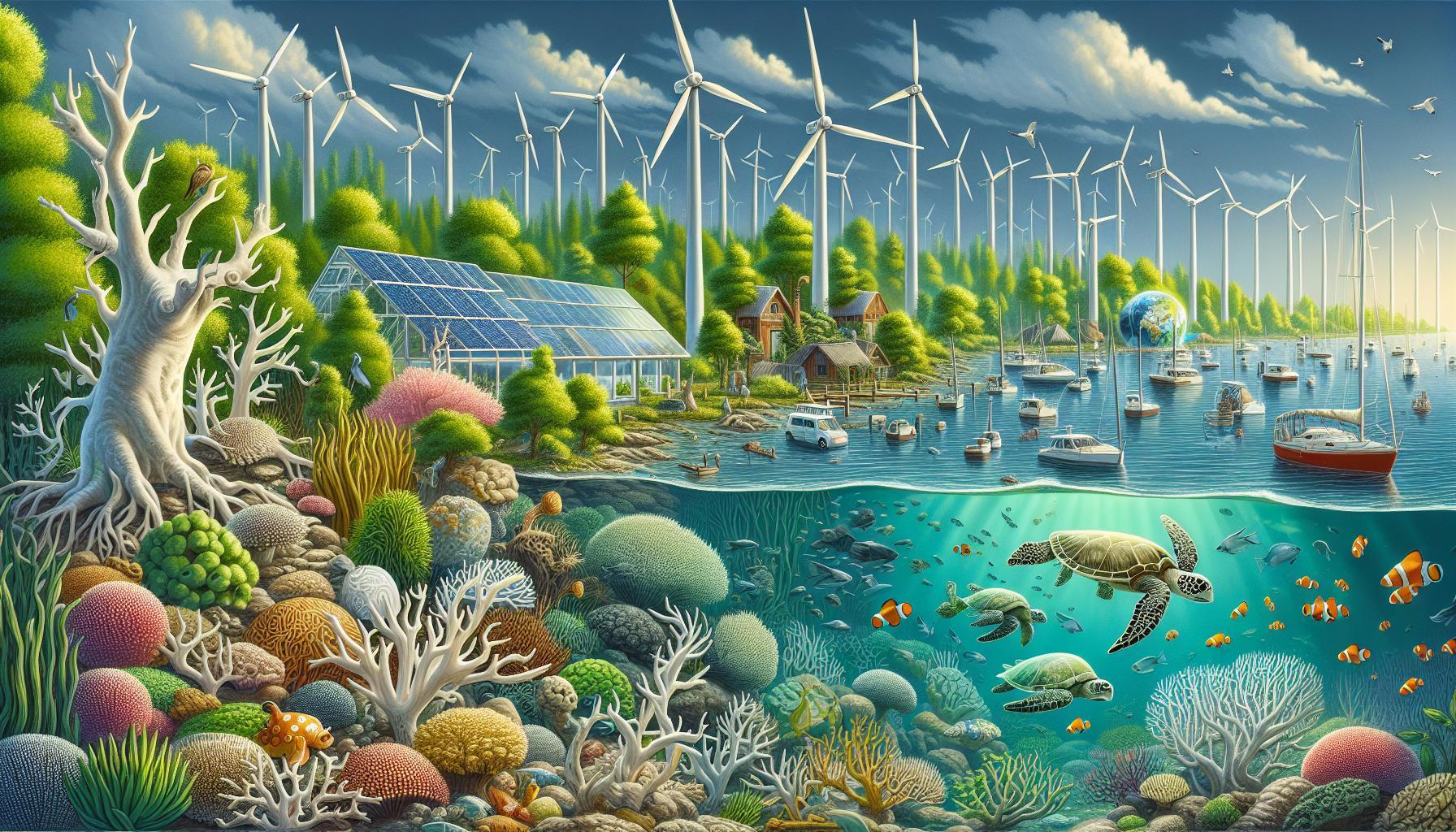
As climate change continues to impact our planet, innovative initiatives like “Project 2025” emerge to tackle these pressing challenges. This project aims to implement comprehensive strategies that address environmental degradation, reduce carbon emissions, and promote sustainable practices. Understanding and participating in such efforts is crucial for safeguarding our future and improving our quality of life.
The urgency of the climate crisis affects us all, from rising sea levels that threaten coastal communities to extreme weather events that disrupt local ecosystems. “Project 2025” not only outlines the steps needed to combat these issues but also empowers individuals and communities to take action. By exploring its goals and methods, you’ll discover how collective effort can foster resilience and drive positive change in your environment.
Join us as we delve deeper into the objectives of “Project 2025” and uncover how it plans to pave the way towards a sustainable future, inspiring hope and involvement in the fight against climate change. Together, we can make a significant impact.
The Urgency of Climate Change: Why We Need Project 2025
The current state of our planet is one of urgency and immediate action. Recent studies indicate that climate change is no longer just a distant threat; its impacts are being felt today, from erratic weather patterns to unprecedented natural disasters. The time for complacency has long passed, and this is where the need for initiatives like Project 2025 becomes crucial. By taking a proactive approach, we can address the escalating challenges posed by climate change and work towards a sustainable future.
Project 2025 is envisioned as a comprehensive framework aiming to counter the detrimental effects of climate change through innovative strategies and community engagement. This initiative recognizes that climate change is a multifaceted issue affecting various aspects of our lives. From health concerns related to air quality to economic impacts on agriculture, the ramifications are vast. Therefore, a holistic approach that encompasses environmental, social, and economic factors is essential.
A core component of Project 2025 involves mobilizing communities to actively participate in climate action. Engaging citizens not only fosters a sense of responsibility but also enhances local resilience. Community-based solutions often lead to tailored strategies that can effectively address specific environmental issues. By educating individuals about sustainable practices and encouraging grassroots activism, Project 2025 aims to create a collective effort toward reducing carbon footprints and promoting renewable resources.
Additionally, the urgency for policy changes cannot be overstated. Effective governance plays a pivotal role in implementing the goals of Project 2025, as it can drive systemic changes to support sustainability. This involves advocating for policies that prioritize renewable energy, incentivize energy efficiency, and protect natural resources. By uniting the will of communities and the authority of governing bodies, Project 2025 strives for a future where environmental stewardship is woven into the fabric of our society.
In summary, Project 2025 seeks to galvanize immediate action by addressing the pressing challenges posed by climate change through community engagement and policy advocacy. The health of our planet and the well-being of future generations hinge on our collective response today. As individuals, communities, and policymakers join forces, we can work towards a sustainable and resilient world, setting a precedent for future initiatives to follow.
How Project 2025 Aims to Enhance Renewable Energy
The transition to renewable energy is no longer an option but a necessity for combating climate change, and Project 2025 is positioned at the forefront of this critical movement. With a goal to significantly reduce carbon emissions, the initiative emphasizes innovative technologies, community support, and policy reforms aimed at enhancing energy production from sustainable sources. By fostering advancements in solar, wind, and other renewable technologies, Project 2025 ensures that cleaner energy systems not only contribute to environmental health but also stimulate economic growth and job creation.
One of the cornerstones of enhancing renewable energy under Project 2025 is the promotion of solar energy. The project advocates for widespread adoption of solar panels in both residential and commercial sectors through education and incentives. Local governments and communities can play a pivotal role by implementing net metering policies that allow consumers to sell excess power back to the grid. Additionally, community solar projects can enable those unable to install personal panels, such as renters, to access solar energy benefits.
Wind power is equally vital to Project 2025’s strategy. By investing in offshore and onshore wind farms, the initiative aims to harness one of the fastest-growing energy sources. The project encourages states to collaborate in developing regional wind resources, capitalizing on areas with high wind potential. Public-private partnerships are essential in this regard, as they can help streamline funding and expedite the necessary infrastructure development.
Finally, Project 2025 includes an educational outreach component designed to empower communities. This initiative highlights the feasibility, cost-effectiveness, and long-term savings associated with renewable energy adoption. Local workshops and informational campaigns can demystify renewable technologies, helping residents understand their options and encouraging them to make lifestyle changes that support sustainability. By actively involving citizens in energy transition discussions, Project 2025 not only enhances awareness but also builds a grassroots movement towards a more sustainable future.
Together, these strategies create a multifaceted approach to enhancing renewable energy, demonstrating that collective action and innovation can indeed turn the tide against climate change and its impacts.
Community Involvement: Engaging Citizens for Climate Action
Engaging communities is essential for the success of any initiative focused on climate action, and Project 2025 recognizes the immense power of citizen involvement. When individuals are informed and motivated, they can catalyze change from the ground up, driving transformative actions that align with sustainable practices. By fostering an inclusive approach that invites participation from all community members, Project 2025 aims to harness local knowledge and enthusiasm to combat climate change effectively.
To facilitate this engagement, Project 2025 promotes several strategies that empower citizens. Community workshops serve as a cornerstone for education, where residents can learn about renewable energy options, energy efficiency practices, and local environmental issues. These gatherings can equip participants with the tools they need to advocate for sustainable policies in their neighborhoods and beyond. Additionally, partnering with local organizations helps to tailor programs to the specific needs and characteristics of the community, ensuring they resonate with participants.
Supportive Community Programs play a crucial role in mobilizing collective action. Community-led initiatives-such as local clean-up drives, tree-planting events, and educational campaigns-allow residents to contribute directly to their environment. Such programs not only build camaraderie among participants but also foster a sense of ownership and responsibility for local ecosystems. By highlighting the environmental impact of even small, collective actions, Project 2025 illustrates that each individual’s contribution matters significantly in the larger fight against climate change.
Moreover, by leveraging social media and online platforms, Project 2025 aims to create a virtual space for dialogue and collaboration. Online forums can include discussion groups where community members share resources, experiences, and data about local climate impacts. This enhances communication, enabling grassroots movements to mobilize more effectively and engage broader audiences. Whether through organizing local events or advocating for policy changes, citizens are encouraged to share their stories and engage with others to breed inspiration and cohesive action.
In conclusion, Project 2025’s focus on community involvement not only galvanizes significant climate action but also nurtures a culture of sustainability at the local level. By equipping individuals with knowledge and the means to act, the initiative celebrates the collective strength of communities while affirming that everyone has a vital role to play in addressing climate challenges.
Policy Changes and Advocacy: The Role of Governance in Project 2025
Addressing climate change requires innovative governance and proactive policy-making that align with the urgent need for sustainability. Effective implementation of Project 2025 hinges on understanding the role of governance at various levels-local, state, and federal. This initiative emphasizes the integration of environmental considerations into every facet of policy-making, establishing a framework that prioritizes sustainability across economic, social, and environmental spheres.
To achieve this, Project 2025 advocates for specific policy changes that are both actionable and impactful. These include enhancing regulations that promote clean energy development, incentivizing industries to reduce carbon emissions, and fostering sustainable agricultural practices. Each of these measures requires collaboration among government agencies, non-profit organizations, and private sectors to ensure that best practices are adopted and replicated. By establishing clear guidelines and benchmarks for environmental performance, the initiative aims to create a structured pathway for accountability and progress.
In tandem with these policy shifts, advocacy plays a crucial role in mobilizing public support and engagement. Education campaigns, community outreach, and stakeholder consultations are essential tools in this advocacy effort. Engaging citizens-not only as voters but as informed participants in policy dialogue-can significantly influence decision-making processes. By fostering a culture of transparency and inclusiveness, Project 2025 empowers communities to advocate for their needs while aligning local priorities with broader climate goals.
Further, leveraging technology and data helps drive policy advocacy. For instance, using geographic information systems (GIS) and environmental data analytics can identify vulnerable areas needing immediate intervention or potential sites for renewable energy installations. Such data-driven approaches ensure that policies are not only strategic but also targeted, making efficient use of resources to maximize impact.
By creating a solid policy foundation and fostering a culture of advocacy, Project 2025 positions governance as a pivotal engine of change. It envisions a future where collaborative and informed decision-making leads to a sustainable and resilient society, capable of effectively tackling climate challenges and achieving long-term environmental goals.
Technological Innovations: Tools Driving Climate Solutions
Innovative technologies are critical in the fight against climate change, and Project 2025 recognizes the necessity of deploying advanced tools to develop effective environmental solutions. From enhancing energy efficiency to optimizing resource management, technology serves as a catalyst for transformative change. For instance, the integration of smart grids in energy distribution allows for real-time monitoring and management of electricity usage, significantly reducing waste. These grids facilitate the incorporation of renewable energy sources, ensuring that solar and wind power can be efficiently used alongside traditional energy systems.
Data-driven Decision Making
One of the most promising aspects of Project 2025 is its commitment to utilizing data analytics and artificial intelligence (AI) in environmental initiatives. By analyzing vast amounts of data, decision-makers can better understand environmental patterns and impacts, leading to more informed, strategic actions. For example, predictive analytics can forecast climate-related events, allowing communities to prepare for floods or droughts. Moreover, AI can optimize agriculture practices by providing farmers with insights on crop health and soil conditions, reducing water usage and enhancing yield.
Renewable Energy Technologies
Advancements in renewable energy technologies are central to achieving the goals of Project 2025. Breakthroughs in solar panel efficiency, wind turbine design, and energy storage solutions are enabling wider adoption of clean energy. With innovations such as perovskite solar cells-a type of solar cell that is cheaper and easier to manufacture-there’s potential for a significant reduction in the cost of solar energy. Likewise, next-generation battery technologies can store energy for longer periods, ensuring a reliable power supply during periods of low energy generation.
Community Engagement through Technology
Engaging communities in climate action is vital, and technology plays a pivotal role in this process as well. Tools such as mobile applications and online platforms promote individual and collective actions by providing people with resources to track their carbon footprints and connect with local sustainability efforts. For instance, an app that helps users monitor household energy consumption could lead to informed choices that reduce overall emissions. These technologies cultivate a collective ethos towards climate responsibility, encouraging citizens to actively participate in local and national climate initiatives.
The convergence of technology and environmental strategy in Project 2025 exemplifies a comprehensive approach to tackling climate change. By fostering innovations and enhancing community participation through technology, this initiative aims to translate the urgency of climate action into practical, effective solutions that resonate on both local and global scales.
Measuring Success: Indicators of Project 2025 Progress
Measuring the success of Project 2025 in the context of addressing climate change involves a multi-faceted approach that incorporates a variety of indicators. These indicators not only help assess the initiative’s progression but also guide stakeholders in making informed decisions moving forward. One effective way to gauge success is through the quantifiable reduction in greenhouse gas emissions, which serves as a direct measure of the project’s impact on climate change mitigation. Setting specific and measurable targets-such as achieving a 50% reduction in emissions by 2030-allows for clear benchmarking against progress.
Furthermore, the implementation of renewable energy technologies is another crucial indicator. Tracking the increase in renewable energy capacity, such as the number of solar panels installed, wind farms developed, or energy storage systems deployed, provides insight into how effectively Project 2025 is transitioning energy systems. For instance, if the initiative aims to achieve a 40% share of renewables in the energy mix by 2025, monitoring the percentage of renewables in the grid will illuminate progress toward this goal.
Community Engagement and Participation
A vital component of Project 2025 is community involvement, which can be assessed through engagement metrics. Surveys and participation rates in local sustainability initiatives can reveal the project’s success in fostering a culture of climate responsibility. For example, an increase in the number of participants in local recycling programs or community gardens can serve as a positive indicator of public support and involvement in climate action. Additionally, tracking educational outreach successes can help communities understand their carbon footprints and motivate action, further amplifying the project’s impact.
Financial Investments and Economic Impact
Evaluating financial investments in sustainability projects also plays a significant role in measuring success. This includes assessing the amount of funding allocated to green technologies, such as electric vehicle infrastructure or energy-efficient building retrofits. The economic impact can also be derived from analyzing job creation within the renewable energy sector, as a growing green economy reflects the initiative’s capacity to promote sustainable growth.
Ultimately, the effectiveness of Project 2025 will depend not just on these indicators, but on the ability to adapt strategies based on ongoing assessments. Regular reporting on these metrics creates a cycle of accountability and transparency, enabling communities, policymakers, and stakeholders to collaborate effectively and ensure that the project’s objectives align with the urgent needs of our planet.
Partnerships for Impact: Collaborations in Climate Action
Collaborative efforts are at the heart of tackling climate change effectively, and partnerships play a crucial role in amplifying the impact of initiatives like Project 2025. By bringing together diverse stakeholders-including governments, businesses, non-profits, and communities-Project 2025 aims to create a unified front against the pressing environmental challenges we face today. These partnerships foster an exchange of knowledge, resources, and innovative solutions, ensuring that climate action is effective, inclusive, and sustainable.
One exemplary model of collaboration includes public-private partnerships, which leverage the strengths of both sectors. For instance, local governments can join forces with technology firms to develop smart grid solutions that optimize energy efficiency. These collaborations not only facilitate the implementation of renewable energy resources but also foster economic growth by creating green jobs. Moreover, partnerships with community organizations can enhance local engagement, enabling grassroots initiatives that mobilize citizens for sustainable practices, such as urban gardening, clean-up drives, and energy conservation programs.
The effectiveness of these collaborative efforts can be further bolstered by leveraging academic institutions for research and development. Universities often lead in environmental sciences and technological innovations, providing valuable insights that inform policy and practice. Partnerships that involve academic expertise can pave the way for pioneering projects, such as climate resilience planning and environmental education programs, which equip communities with the tools they need to adapt and thrive in a changing climate.
To maximize the impact of these collaborations, it is vital to establish common goals and shared responsibilities among all partners. This can be accomplished through transparent dialogue and continuous engagement, where each stakeholder’s voice is heard. By aligning interests and pooling resources, Project 2025’s collaborative framework not only addresses climate change challenges effectively but also builds a resilient network of committed individuals and organizations ready to tackle future environmental issues together.
Overcoming Challenges: Addressing Criticism and Concerns
Many initiatives aimed at combating climate change, such as Project 2025, face scrutiny and skepticism. For advocates of climate action, understanding and addressing these concerns is critical to fostering widespread support and ensuring effective implementation. Critics often voice apprehensions ranging from the feasibility of proposed solutions to fears about governmental overreach in environmental policy. By approaching these criticisms constructively, Project 2025 can demonstrate its commitment to transparency and community engagement.
One of the primary concerns centers around the effectiveness of proposed measures. Critics may question whether the ambitious targets of Project 2025 can be realistically met within the suggested timelines. To tackle this, it is essential to establish clear metrics and indicators of success, regularly assessing progress through public reports and independent evaluations. Transparent communication about challenges and adjustments to strategy can help build trust among stakeholders. Involving a diverse group of scientists, policymakers, and community leaders can enhance credibility and create additional avenues for public input.
Another significant issue often raised is the potential for inequity in policy implementation. Environmental initiatives must prioritize inclusivity, ensuring that vulnerable communities do not bear a disproportionate burden of climate change impacts or environmental regulations. To address this, Project 2025 can implement community feedback mechanisms that ensure all voices are heard, particularly those from frontline communities. Engaging in partnerships with local organizations to co-create solutions can help mitigate these concerns, fostering a sense of shared responsibility and opportunity.
Moreover, critics may express fears about increased governmental oversight in environmental regulations, viewing it as a threat to individual freedoms. It is crucial to communicate that Project 2025 promotes sustainable practices through collaboration rather than coercion. Highlighting examples where community-led initiatives have successfully achieved environmental goals can illustrate the positive impact of cooperative approaches. Encouraging grassroots involvement in decision-making processes demonstrates a commitment to ensuring that policies are not only environmentally sound but also democratically developed.
Ultimately, by directly addressing criticism with factual information, inclusive practices, and transparent communication, Project 2025 can cultivate a resilient and engaged community around climate action. Fostering understanding and collaboration serves not only to combat climate change but also strengthens the fabric of society, showing that collective efforts grounded in cooperation can lead to meaningful change.
Future Vision: Long-Term Goals of Project 2025
Project 2025 envisions a transformative approach to combatting climate change, aiming not only for immediate action but also for long-term systemic changes that benefit the environment and society as a whole. Emphasizing sustainability and resilience, its long-term goals are structured around achieving meaningful integration of green practices into every facet of life, which requires robust planning and widespread collaboration.
At the heart of this vision is the goal to transition to a low-carbon economy by 2050. This involves shifting our energy systems from fossil fuels to renewable sources such as solar, wind, and hydroelectric power. To facilitate this transition, Project 2025 plans to invest in innovative technologies that enhance energy efficiency and storage, ensuring a reliable and sustainable power supply. Moreover, the initiative seeks to establish comprehensive policies that incentivize renewable energy adoption at both the individual and corporate levels. These policies could include tax credits for solar panel installations and subsidies for electric vehicle purchases, making green alternatives more accessible and attractive.
Community engagement is another crucial component of Project 2025’s future vision. Recognizing that grassroots movements drive real change, the initiative aims to empower local communities through education and by providing resources necessary for sustainable practices. Initiatives may include local workshops on energy conservation, sustainable agriculture practices, and community gardens that not only help educate citizens but also foster a sense of unity and shared responsibility towards environmental stewardship.
Additionally, addressing climate change requires a collaborative global effort. Project 2025 aspires to strengthen international partnerships to share technology, best practices, and financial resources, particularly with developing nations that are often the most vulnerable to climate impacts. By fostering a collaborative network that transcends borders, the project envisions a unified front against climate change, promoting policies that support not just environmental sustainability but also social equity.
Ultimately, the long-term goals of Project 2025 underscore a comprehensive strategy to create a healthier planet for current and future generations. By focusing on systemic change through community involvement, technological innovation, and international cooperation, this initiative aims to foster a sustainable future where economic growth aligns with and supports ecological well-being.
FAQ
Q: What is Project 2025 and how does it address climate change?
A: Project 2025 is an initiative aimed at significantly reducing carbon emissions through innovative technology and sustainable practices. It focuses on transitioning to renewable energy sources, enhancing energy efficiency, and promoting carbon capture technologies to combat climate change effectively.
Q: When was Project 2025 launched and what are its main goals?
A: Launched in 2023, Project 2025 aims to achieve net-zero carbon emissions by 2025. Its main goals include increasing renewable energy adoption, reducing fossil fuel dependency, and implementing large-scale reforestation initiatives that absorb atmospheric CO2.
Q: How can individuals contribute to the goals of Project 2025?
A: Individuals can contribute by adopting energy-efficient practices, reducing waste, and supporting local renewable energy initiatives. Participating in community tree-planting programs and advocating for climate action policies also amplify the impact of Project 2025.
Q: What technologies are being developed under Project 2025?
A: Project 2025 involves developing advanced renewable energy technologies, such as solar photovoltaic and wind energy systems, alongside innovations in energy storage, smart grids, and carbon capture and utilization systems aimed at significantly lowering carbon footprints.
Q: Why is Project 2025 considered crucial for global climate efforts?
A: Project 2025 is vital as it sets a concrete framework for rapid emissions reduction, aiming to inspire global cooperation and innovation. Its proactive measures are designed to combat climate change impacts more efficiently than traditional approaches, making it a model for future initiatives.
Q: Where can I find more information about Project 2025’s progress?
A: For ongoing updates and detailed reports, visit the official Project 2025 website or follow their social media channels. Regular press releases and publications provide insights into its achievements and future strategies.
Q: How does Project 2025 compare to other climate initiatives?
A: Unlike many long-term plans, Project 2025 focuses on immediate, actionable goals with a clear timeline. Its innovative technologies and community engagement strategies set it apart, making it adaptable and efficient compared to other climate initiatives.
Q: What are the challenges faced by Project 2025 in addressing climate change?
A: Major challenges include securing funding, overcoming political resistance, and ensuring public buy-in for sustainable practices. Addressing these issues is crucial to the project’s success and the overall fight against climate change.
Wrapping Up
As we wrap up our exploration of “Project 2025: How It Plans to Address Climate Change,” it’s clear that the initiative offers actionable strategies and innovative solutions to tackle climate challenges. With commitments to sustainability and community engagement, this project empowers each of us to play a part in preserving our planet for future generations. Now is the time to be proactive-join the movement before it’s too late.
Further your understanding by checking out our resources on sustainable practices [link to sustainability practices], or delve into ways individuals can combat climate change at a grassroots level [link to local initiatives]. Don’t forget to subscribe to our newsletter for the latest insights and updates on climate action.
Your input matters-share your thoughts in the comments below, and let us know how you plan to take action. Together, we can create lasting change. Explore our site for more valuable information, and let’s continue this journey toward a sustainable future!