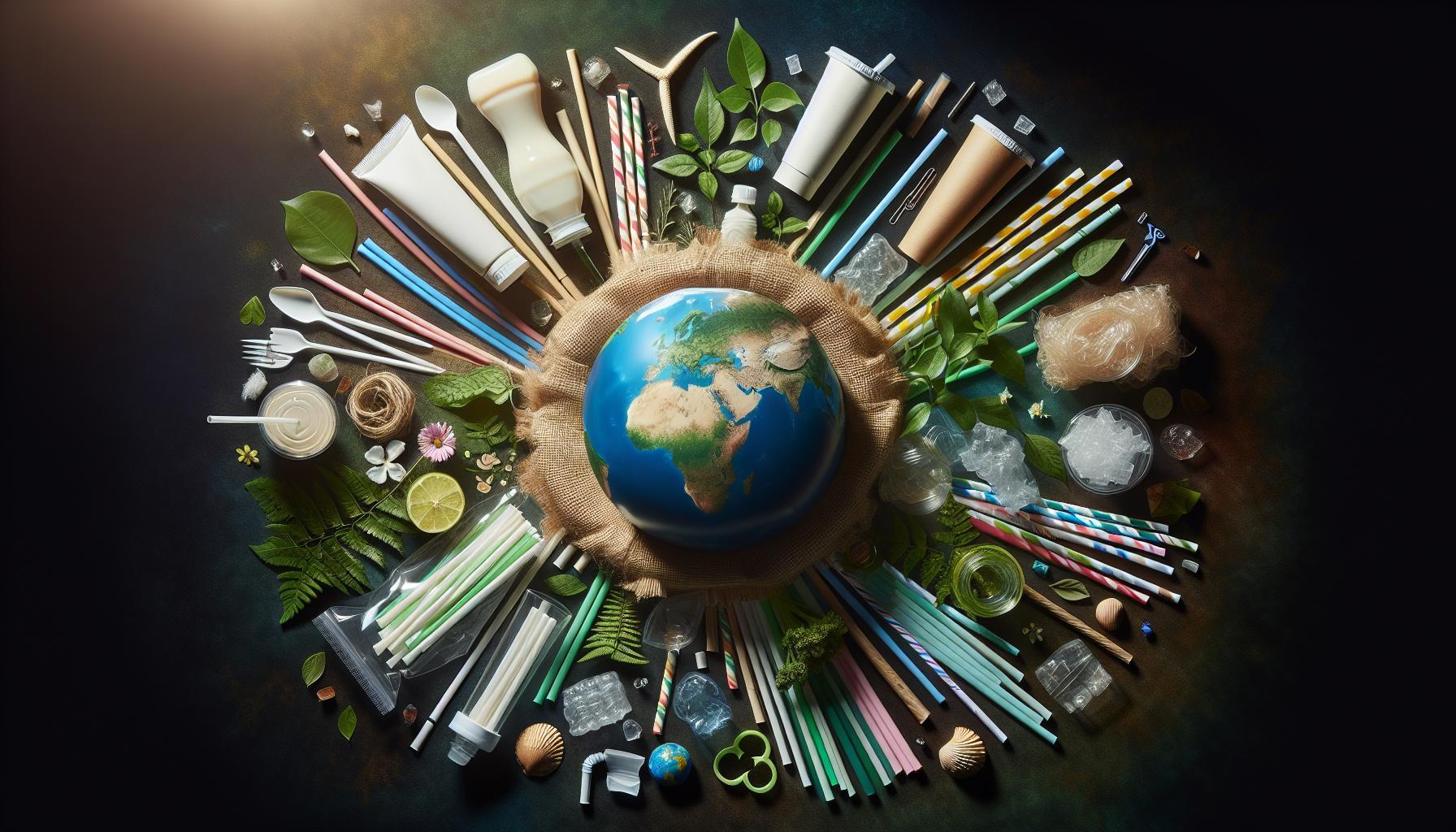

Did you know that in the United States alone, we use an estimated 500 million straws every day? This staggering number highlights our reliance on single-use plastics and their impact on the environment, particularly our oceans. As consumers become more aware of the environmental consequences of plastic waste, many are seeking practical alternatives.
Understanding whether straws are recyclable and exploring sustainable options is no longer just a trend-it’s a vital step towards creating a cleaner, healthier planet. Whether you’re looking to reduce your ecological footprint or simply find out more about what happens to those straws after they leave your cup, this discussion is for you.
Join us as we delve into the recyclability of straws and discover eco-friendly alternatives that can help you make a difference. Together, we can embrace solutions that champion environmental health while still enjoying our favorite beverages. Your choices matter-let’s explore the impact they can have!
Are Straws Recyclable? Understanding the Basics of Plastic Waste
Did you know that less than 10% of the plastic produced globally is recycled? This alarming statistic is partly due to the nature of many single-use items like plastic straws. Understanding the recyclability of straws is crucial for consumers who wish to minimize their environmental footprint.
Most plastic straws are made from polypropylene (recycling code #5), which is technically recyclable, but the reality is more complex. The small size and lightweight nature of straws mean that they often escape collection systems. When they are discarded, they frequently get swept away with other litter or clog waterways, ultimately contributing to the larger issue of marine debris and plastic pollution. This means that even if an individual makes the effort to toss a straw into a recycling bin, it may not reach the facilities that can effectively process it.
In addressing the question of recyclability, it’s important to recognize that not all materials labeled as “recyclable” are treated the same way. While some communities may have advanced recycling programs that can manage rigid plastics like bottles, most do not accept the sheer volume of single-use plastics, including straws. As a solution, consumers are encouraged to check with local recycling guidelines to understand what can and cannot be recycled.
To make a positive impact, here are a few alternatives to consider in place of traditional plastic straws:
- Metal straws: Durable and reusable, these straws are easy to clean and can last for years.
- Silicone straws: Flexible and safe for children, silicone is a great option for those seeking comfort and functionality.
- Bamboo straws: Biodegradable and stylish, bamboo straws offer an eco-friendly twist.
- Paper straws: A single-use alternative that is compostable and can be integrated into recycling streams.
By exploring these alternatives and understanding the limitations of current recycling systems, consumers can make informed choices that not only reduce their reliance on single-use plastics but also encourage a broader shift towards sustainable practices within their communities. Ultimately, while the situation surrounding the recyclability of straws seems complex, individual actions can lead to substantial change when people collectively choose to reduce or eliminate their usage of plastic straws.
The Environmental Impact of Single-Use Straws
Single-use plastic straws have become emblematic of the broader environmental challenges posed by plastic waste. Each year, hundreds of millions of plastic straws are used and discarded, contributing significantly to the growing problem of marine litter. Once disposed of, these straws can take hundreds of years to decompose, releasing harmful chemicals into the environment while breaking down. The unique design of straws-small, light, and often too flimsy for traditional recycling methods-further complicates their management, leading them to evade recycling systems and find their way into oceans and waterways.
One of the most pressing environmental impacts of single-use straws is their role in marine pollution. It is estimated that the United States alone uses and discards over 500 million plastic straws daily. As these straws enter waterways, they pose a hazard to marine life. Sea creatures can mistakenly ingest straws or become entangled, leading to injury or death. Notably, a viral video showing a sea turtle affected by a plastic straw brought significant attention to this issue, sparking widespread advocacy for change. Such incidents illustrate not only the tangible dangers that single-use plastics pose to wildlife but also highlight a growing public awareness and momentum towards reducing plastic use overall.
The environmental footprint of single-use straws extends beyond their lifecycle. The production of plastic straws requires the extraction of fossil fuels, contributing to greenhouse gas emissions and reinforcing our dependence on nonrenewable energy sources. According to a report from the Ellen MacArthur Foundation, at least 1 million marine creatures and countless birds perish each year due to plastic pollution. This staggering number underscores the urgency of addressing not just straws, but also the entire spectrum of single-use plastics flooding our ecosystems.
In response to these challenges, many communities are taking proactive steps to minimize plastic straw usage. Initiatives include local bans on single-use plastics, public awareness campaigns, and the promotion of alternatives. Many establishments are beginning to opt for eco-friendly options, such as offering reusable straws upon request or using straws made from biodegradable materials. By working collectively, communities can significantly reduce plastic waste and inspire individuals to make more sustainable choices in their daily lives.
Ultimately, the transition away from single-use straws and towards sustainable alternatives reflects a larger shift in societal values. The more we engage in conversations about our consumption patterns and their environmental impact, the more effectively we can advocate for changes that protect our planet for future generations.
Identifying Recyclable Materials: Straws and Beyond
Plastic straws are often overlooked in the broader conversation about recycling, yet they represent a unique challenge due to their small size and the materials from which they are made. Contrary to many people’s assumptions, not all plastic straws are created equal when it comes to recyclability. Most traditional straws, made from various types of plastic like polypropylene, typically end up in landfills or, worse, contribute to environmental contamination in our oceans and ecosystems. However, understanding what makes certain materials recyclable can help us all make better choices for the environment.
To comprehend which materials can be effectively recycled, it’s essential to know the plastic identification codes, which are commonly found on packaging. These codes, numbers 1 through 7, indicate the type of plastic and its disposal instructions:
- Type 1 (PET or PETE): Commonly used for water bottles; highly recyclable.
- Type 2 (HDPE): Used for milk jugs and detergent bottles; also widely accepted by recycling programs.
- Type 3 (PVC): Typically found in plumbing pipes but not commonly recycled.
- Type 4 (LDPE): Used for grocery bags; often not recycled but accepted in specific programs.
- Type 5 (PP): Common for straws and food containers; limited recycling options available.
- Types 6 and 7: Include polystyrene and other mixed plastics, often non-recyclable.
While some local recycling programs accept polypropylene straws (Type 5), many do not, primarily due to their size and lightweight nature, which can disrupt recycling equipment. This inconsistency highlights the importance of checking your local recycling guidelines before tossing straws in the recycling bin.
In response to the limitations of plastic straws, some manufacturers are now producing sustainable alternatives that are both recyclable and compostable. Straws made from materials like bamboo, paper, or even plant-based bioplastics are increasingly available and often come with clearer disposal pathways, making it easier for consumers to integrate them into their eco-friendly practices.
Moreover, innovative approaches like establishing collection initiatives for non-recyclable plastics further contribute to enhancing recycling systems. Programs that encourage community participation-such as community cleanup days that also serve as plastic collection drives-can foster a deeper understanding of recycling and promote responsible disposal behaviors among residents.
In summary, while conventional plastic straws present recycling challenges, awareness of materials and recycling codes, along with an inclination toward alternative solutions, can guide consumer choices and community efforts to mitigate plastic waste. By choosing materials that are designed for sustainability and supporting local initiatives, each of us can participate in the shift towards a cleaner, more environmentally responsible future.
Alternatives to Plastic Straws: Eco-Friendly Options
Straws may seem like a trivial item when discussing single-use plastic, yet their widespread use can have a significant environmental impact. As awareness grows around the issues caused by traditional plastic straws, more consumers are seeking eco-friendly alternatives that not only minimize waste but also align with a sustainable lifestyle. Exploring these options can empower individuals and businesses alike to make environmentally conscious choices.
Among the most popular alternatives are paper straws. These biodegradable options are made from renewable sources, making them a much better choice than plastic. Paper straws come in various sizes and styles to fit any beverage, but they do require gentle handling as they can become soggy if left in liquid for too long. Many cafes and restaurants now offer paper straws, which can sometimes even be custom printed with branding or messages, enhancing their appeal for promotional purposes.
Another excellent choice is bamboo straws. Naturally durable and biodegradable, bamboo straws can be reused multiple times if cleaned properly after each use. They provide a unique, artisanal touch to drinks and are increasingly popular at eco-friendly establishments. Many suppliers offer bamboo straws in sets, complete with cleaning brushes, making them a practical solution for those committed to reducing waste.
For those looking for a sturdier long-term option, stainless steel straws are ideal. These reusable straws are incredibly durable and can be used in a multitude of settings, from home to picnics and gatherings. Stainless steel straws are easy to clean, often coming with their own cleaning brush, and can be polished for an elegant look. Some products even include silicone tips to enhance comfort during use, catering to families with children or those concerned about the temperature of the beverage.
Finally, silicone straws offer another versatile and fun alternative. Unlike traditional plastic, silicone straws are soft and flexible, making them easy to carry and suitable for any drink. They come in vibrant colors and can be bent to fit different types of containers, making them a popular choice for families. Like stainless steel, silicone straws can be reused countless times, further reducing waste.
When considering alternatives, consumers can make informed choices by looking for certifications like BPI or ASTM, which indicate compostable materials that meet industry standards. Adopting these eco-friendly options not only helps reduce the environmental footprint but also encourages a culture of sustainability. Through mindful consumption and promoting awareness, individuals can contribute meaningfully to a collective effort in minimizing plastic waste and advocating for a healthier planet.
Evaluating the Effectiveness of Compostable Straws
Compostable straws have emerged as a promising solution to the pressing issue of plastic waste, particularly in the food and beverage industry. Unlike their plastic counterparts, which can take hundreds of years to decompose, compostable straws are designed to break down more quickly in composting environments. This shift not only reflects a growing consumer demand for sustainable products but also highlights the importance of choosing items that align with a zero-waste lifestyle. Understanding how effective compostable straws are can help individuals, businesses, and communities make informed decisions about waste management and environmental responsibility.
The effectiveness of compostable straws largely depends on several factors, such as material composition, disposal methods, and the conditions in which they are composted. Many compostable straws are made from materials like PLA (polylactic acid), derived from renewable resources like corn or sugarcane. When disposed of in a commercial composting facility, under the right conditions of heat and moisture, these straws can decompose within a few months. However, it is crucial to note that they may not break down effectively in home composting systems due to insufficient heat levels, which can lead to confusion among consumers.
- Material Awareness: It’s important to check labels for certifications such as BPI or ASTM, which ensure that the products meet specific compostability standards.
- Proper Disposal: Dispose of compostable straws in designated compost bins, and educate others about the importance of using commercial composting services to ensure proper breakdown.
- Real-World Examples: Restaurants that have switched to compostable straws often report higher customer satisfaction and provide clarity on disposal practices, thus fostering community participation in sustainability efforts.
Incorporating compostable straws into everyday use represents a tangible step toward reducing environmental impact. Businesses adopting these options serve as role models, signaling a shift towards aligning company practices with ecological values. When municipalities and communities encourage composting initiatives, the collective impact can significantly enhance waste reduction.
Finally, while compostable straws are not a perfect solution, they embody a thoughtful approach to the challenges posed by single-use plastics. By choosing compostable options, raising awareness, and advocating for proper disposal practices, consumers can contribute positively to the environment. In a world craving sustainable solutions, compostable straws are a reminder that small changes can lead to meaningful impacts when thoughtfully integrated into our daily routines.
Consumer Choices: How to Reduce Straw Usage
In today’s world, the collective urgency to address plastic pollution places a spotlight on single-use items like straws. Did you know that over 500 million straws are used daily in the United States alone? This staggering statistic highlights the potential for reducing waste through conscious consumer choices. Making a concerted effort to lessen straw usage can significantly impact both individual practices and broader environmental health.
One of the simplest and most effective ways to reduce straw consumption is to refuse straws altogether. Many establishments automatically include them with drinks, but consumers can easily request their beverages without a straw. This small action can ripple through the dining culture, leading businesses to reconsider their straw policies as they observe changes in customer preferences. Establishments like cafes and restaurants that adopted “straws by request only” policies have noted not only reductions in disposable straw waste but also increased awareness among patrons about environmental issues.
For those who enjoy using straws for health or accessibility reasons, there are multiple sustainable alternatives. Investing in a reusable straw-made from materials such as stainless steel, silicon, or bamboo-can provide a personal solution. Many companies now offer stylish, portable, and easy-to-clean designs that fit conveniently in a handbag or pocket. Reusable straws don’t just reduce waste; they can also serve as a conversation starter that encourages sustainable practices among friends and family.
To further drive the change toward reduced straw usage, communities can engage in educational campaigns to raise awareness about the environmental impact of single-use plastics. Local organizations can host events or workshops to discuss the importance of reducing plastic reliance and showcase alternatives, fostering a collective commitment to sustainability. Additionally, promoting partnerships with local businesses can create incentives for eco-friendly shifts in policies and practices, inspiring community-wide transformations.
Ultimately, consumer choices hold the power to shape markets and influence practices. By embracing these actions and exploring various alternatives, individuals can contribute meaningfully to the mission of minimizing plastic waste and protecting the environment for future generations. Through collective efforts, informed decisions, and active participation in sustainability initiatives, it is possible to turn the tide against single-use plastics like straws.
Innovative Solutions: Straws Made from Sustainable Materials
In the quest for sustainable living, the search for alternatives to single-use plastic straws has led to a wave of innovation. As global awareness of plastic pollution grows, eco-conscious consumers are increasingly turning to straws crafted from sustainable materials. These innovative solutions not only mitigate environmental impacts but also offer a range of functional and aesthetic benefits.
Many companies are experimenting with materials that remain environmentally friendly while providing a durable and pleasant user experience. Bamboo straws, for example, are biodegradable, reusable, and come with a naturally appealing aesthetic that complements various beverage presentations. In addition to being compostable, bamboo straws are naturally antimicrobial, adding an extra layer of safety for consumers who prioritize hygiene. Similar to bamboo, metal straws, often made from stainless steel, offer longevity and a modern look. These straws can withstand repeated use and are easy to clean, often coming with cleaning brushes or simple wipe-down instructions. Furthermore, manufacturers are increasingly designing them in various finishes and styles, making them a fashionable choice for health-conscious consumers.
Another exciting development is the use of edible straws, made from ingredients like seaweed and rice. These single-use alternatives not only serve their purpose during a drink but can also be consumed afterward, effectively eliminating waste altogether. Popular in some regions’ cafes and bars, edible straws reflect the creativity in sustainable design, appealing to consumers who want to contribute to reducing plastic waste actively.
Beyond individual consumer choices, businesses play a vital role in adopting sustainable straw solutions. By shifting their offerings, such as introducing plant-based or compostable straws made from materials like cornstarch or sugarcane, they can significantly reduce their environmental footprint. Some establishments have also started producing their own reusable straw lines, encouraging patrons to participate in sustainable practices actively.
The rising adoption of these innovative straw solutions signifies not just the rejection of single-use plastics but showcases a broader movement towards environmental responsibility. The commitment to sustainability is not just a fleeting trend-it’s becoming an integral part of consumer identity. As individuals and communities engage with these alternatives, they reinforce the message that thoughtful consumption can lead to significant positive change. By making informed choices and supporting businesses that prioritize sustainability, consumers can contribute to the momentum for a greener future.
Legislation and Policies Affecting Straw Usage
In recent years, numerous cities and countries have enacted legislation aimed at reducing the use of single-use plastics, including straws, reflecting a growing commitment to environmental sustainability. For example, as of 2021, more than 125 jurisdictions across the globe have implemented some form of ban or restriction on plastic straws, driven by a desire to decrease plastic waste in landfills and oceans. Such regulatory efforts address not only the virtues of alternative materials but also strive to foster a culture that embraces reusable or eco-friendly options.
Key Legislation and Initiatives
Many local governments have taken proactive steps to restrict single-use plastics. Some common forms of legislation include:
- Complete Bans: Numerous municipalities have instituted outright bans on plastic straws, requiring establishments to provide only reusable or biodegradable alternatives.
- Opt-In Programs: Certain locations allow patrons to request a straw instead of automatically including one, encouraging consumers to reconsider their necessity.
- Business Incentives: Some policies provide financial benefits for businesses that commit to using sustainable materials for straws and other single-use items.
These initiatives demonstrate a concerted effort to shift societal norms around consumption and waste management, promoting awareness about the environmental impacts of plastic use. In the United States, noteworthy examples include California’s statewide ban on plastic straws in 2019 and Seattle’s groundbreaking legislation in 2018 that prohibits all plastic straws and utensils in food service.
The Role of Businesses in Compliance
As legislation becomes more widespread, businesses must adapt to comply. Many restaurants and bars have responded positively to the changing landscape, recognizing the benefits of becoming more environmentally conscious. Innovative companies are not only transitioning to sustainable products but are also adopting marketing strategies that promote their eco-friendly choices, appealing to a growing demographic of environmentally aware consumers. By showcasing the use of alternative straws through social media campaigns or in-store signage, they can emphasize their commitment to sustainability and influence consumer behavior positively.
Community Involvement
Local communities significantly influence the effectiveness of such legislation. Grassroots movements and community initiatives are pivotal in supporting and enforcing straw bans and encouraging sustainable practices. Engaging citizens through educational campaigns, workshops, and collaborative events allows communities to raise awareness about the environmental consequences of plastic waste and promote responsible consumption behaviors. For instance, initiatives that involve local schools or organizations can empower individuals to advocate for change and implement responsible practices within their neighborhoods.
Recognizing the role of legislation and community action in reducing straw waste underscores a collective effort toward a more sustainable future. As policies evolve and communities rally together, a committed society can foster practices that not only decrease plastic dependency but also cultivate a culture of environmental stewardship.
The Role of Businesses in Reducing Plastic Straw Waste
The transition away from single-use plastic straws is gaining traction, not only due to regulatory pressure but also because businesses recognize the pivotal role they play in shaping consumer behavior and preserving the environment. A recent study found that an astounding 300 million plastic straws are used every day in the U.S. alone. With such staggering numbers, businesses must take proactive measures, not only to comply with impending bans but to lead the charge in waste reduction.
Collaboration with suppliers to source sustainable alternatives is one tangible step businesses can take. For instance, many have started to opt for plant-based options, such as straws made from cornstarch or other biodegradable materials. These alternatives decompose without contributing to long-lasting plastic pollution. Restaurants like Aloha Poke Co. have successfully transitioned to biodegradable straws, setting a standard that others can follow. Besides promoting environmental consciousness, using sustainable materials can resonate with eco-aware consumers, elevating brand loyalty and generating positive word-of-mouth impressions.
Furthermore, the establishment of “straw-less” initiatives has begun to take root across various sectors. Coffee shops, for example, can encourage customers to savor their beverages without a straw by providing a comfortable sipping experience directly from cups designed for that purpose. By partnering with consumers in this way, businesses not only contribute to trash reduction but also foster a sense of community around shared environmental values. Creative marketing campaigns that highlight these initiatives can engage customers on social media platforms, showcasing a business’s commitment to sustainability, ultimately influencing wider consumption patterns.
Another way for businesses to contribute to the reduction of plastic straw waste is through education and collaboration. Business owners can facilitate workshops or sponsor local events centered around sustainable practices and responsible consumption. When businesses unite with community organizations, they can amplify their impact, rallying customer support for environmentally-friendly alternatives and fostering a collective effort toward reducing dependency on plastics. This two-pronged approach-sourcing sustainable products and building community partnerships-can cultivate a culture of climate consciousness while enhancing brand reputation.
In summary, businesses hold a significant responsibility and opportunity in advocating for sustainable practices surrounding straw usage. By innovating in their product offerings, collaborating with the community, and engaging consumers in the conversation about sustainability, they can drive meaningful change, reducing plastic straw waste and setting the stage for a healthier planet.
Raising Awareness: Community Initiatives Against Plastic Straws
Raising awareness about the impact of plastic straws has become a crucial part of community efforts to reduce overall plastic waste. With environments and ecosystems at stake, local initiatives are finding innovative ways to engage the public and encourage sustainable behavior. One compelling fact is that a staggering 500 million plastic straws are used in the U.S. every single day, contributing to a mounting plastic problem that local groups aim to mitigate through education and action.
Community organizations, schools, and local businesses are uniting to build awareness around the issue of plastic straws, often starting with simple campaigns that highlight their environmental impact. For example, many towns have established “Straw-Free Days,” encouraging businesses and residents alike to abstain from single-use straws for a day while promoting alternative solutions. These initiatives create a grassroots movement that fosters a sense of pride among participants, transforming the local culture to prioritize sustainability.
Additionally, partnerships with schools can lead to educational programs that enlighten students about the impact of plastic waste. Educational workshops that include hands-on activities-such as creating art from recycled materials or organizing beach clean-ups-engage younger generations and instill a sense of responsibility towards the environment. These initiatives not only raise awareness but empower children to become advocates for change within their families and communities.
Creative Approaches to Community Engagement
Community groups are also leveraging creative approaches to spread their message, often incorporating lively social media campaigns to amplify their reach. By using platforms such as Instagram and TikTok, local organizations can challenge community members to post photos or videos of themselves opting for reusable alternatives, using hashtags like #StrawlessChallenge or #SipSustainably. Contests and giveaways for those who participate can further incentivize change, making sustainability a fun and engaging mission.
Moreover, local businesses play a vital role in these initiatives by becoming advocates for straw reduction. By prominently displaying signs about their straw policies or offering incentives for customers who bring their own reusable straws, they can effectively communicate their commitment to sustainability. When businesses actively participate in community initiatives and support local outreach programs, they not only contribute to reducing plastic dependence but also foster loyalty among eco-conscious customers.
In summary, harnessing community initiatives against plastic straws unites individuals, organizations, and businesses in a common goal-reducing plastic waste. Awareness campaigns, educational programs, creative engagement methods, and local partnerships create a multi-faceted approach that inspires meaningful action, showing that together, communities can make a significant difference in our environmental footprint. By fostering dialogue and participation, these initiatives can pave the way for a future where reusable and sustainable practices dominate daily life.
Future Trends: The Evolution of Straw Alternatives
As awareness of the detrimental effects of single-use plastics grows, the quest for sustainable straw alternatives evolves in fascinating ways. Recent studies suggest that innovation in eco-friendly materials is advancing rapidly, spurred by consumer demand and an emerging consciousness around environmental responsibility. Biodegradable, compostable, and reusable options are now at the forefront of this evolution, offering meaningful alternatives to conventional plastic straws.
Emerging Materials and Technologies
A variety of materials are being explored to create sustainable straws, ranging from plant-based plastics to actual plant materials. For instance, straws made from Bamboo and paper have surged in popularity due to their biodegradability. Additionally, there are edible straws crafted from ingredients like rice and seaweed that allow consumers to enjoy their beverages guilt-free while contributing to less waste. However, the key to these materials’ success lies in their scalability and the ability to compete with the cost efficiency of traditional plastics.
Some companies are also investing in innovative techniques, such as producing straws from mycelium (the root structure of mushrooms). These not only break down much faster than synthetic alternatives but also use low-energy production processes, making them a viable contender in the sustainable market. With research and development in full swing, it’s likely we’ll see even more groundbreaking materials in the coming years.
Increased Consumer Adoption and Business Responsibility
Consumer preferences are shifting toward eco-conscious products, which has led businesses to rethink their practices. Many restaurants and cafes are adopting zero-waste policies that include sustainable straw options or outright bans on single-use straws. As consumers express their values through purchasing choices, businesses are increasingly recognizing that offering sustainable alternatives is not just ethical but also beneficial for customer loyalty.
To facilitate this transition, companies are testing subscription models for reusable straw sets, providing incentives for customers to carry their straws wherever they go. Innovations in design-such as collapsible or pocket-sized reusable straws-make it easier for individuals to make the switch. Brands that focus on convenience along with sustainability are likely to thrive as consumer habits evolve.
Legislation and Global Movements
Legislative action around the world is increasingly supporting the shift away from single-use plastics, with many cities and countries implementing bans or severe regulations on plastic straw distribution. This regulatory landscape not only incentivizes businesses to adopt sustainable practices but also generates a cultural momentum toward embracing eco-friendly alternatives.
Grassroots movements continue to rise, promoting the message that collective action is essential for change. As these trends in both consumer behavior and policy unfold, it is clear that a future with reduced reliance on single-use plastics-and a vibrant array of straw alternatives-lies ahead. With ongoing education and advocacy, individuals and communities can actively participate in this positive transformation, paving the way for a more sustainable planet.
The landscape of straw alternatives is vibrant and dynamic, driven by innovation, community action, and a clear recognition of consumer choice. Embracing these changes can help mitigate environmental impacts while promoting a culture of sustainability that many consumers are eager to adopt.
How to Advocate for Sustainable Straw Practices
Advocating for sustainable straw practices not only contributes to a cleaner environment but also fosters a culture of sustainability within your community. As individuals increasingly recognize the environmental impact of single-use plastics, they can take actionable steps to support eco-friendly alternatives, particularly in the realm of straws. Engaging in this advocacy can be both empowering and impactful, enabling positive changes at a grassroots level.
Start with Personal Choices
One of the most effective ways to advocate for sustainable straw practices is by leading by example. Opt for reusable straws and carry them with you wherever you go. Whether you choose stainless steel, silicone, or bamboo, these alternatives send a strong message to those around you. Furthermore, consider educating friends and family about the benefits of reducing single-use plastic consumption. Use social media platforms to share your experiences, promote sustainable brands, and even initiate conversations about environmental responsibility.
Collaborate with Local Businesses
Engaging local businesses is another crucial strategy in advocating for change. Initiate discussions with cafes, restaurants, and food vendors about their straw policies. Encourage them to adopt compostable or reusable straw options and explore the feasibility of implementing a straw-free policy, perhaps by offering straws only upon request. Host joint community events-such as “Straw-Free Days” or “Sip Sustainably” campaigns-where businesses can promote their commitment to reducing plastic waste while attracting environmentally conscious customers.
- Propose incentives for customers who bring their own reusable straws.
- Provide educational materials for staff to inform customers about sustainable practices.
- Collaborate on local initiatives or sustainability fairs to raise awareness.
Engage in Community Education and Projects
Building awareness within your community is essential to effecting change. Organize or participate in workshops and seminars focusing on the environmental impact of plastic waste and the benefits of alternative materials. Involve schools, local organizations, and community centers to reach a broader audience. Create informational pamphlets or host webinars to discuss the importance of reducing plastic straw usage and showcase successful initiatives from other communities.
Additionally, consider spearheading cleanup efforts in local parks or waterways to physically demonstrate the impact of plastic waste. These activities not only engage the community but also highlight the necessity for sustainable alternatives, allowing participants to see firsthand the difference they can make.
By cultivating a mindset of sustainability and encouraging others to adopt sustainable straw practices, individuals can drive significant change. This collaborative effort-rooted in education, business engagement, and community action-can help reduce plastic waste, fostering a healthier planet for generations to come. Together, we can shift the narrative surrounding single-use plastics and inspire meaningful change.
FAQ
Q: Are plastic straws recyclable?
A: No, most plastic straws are not recyclable. They are often made from #5 polypropylene, which many recycling facilities do not accept. Instead, dispose of them in the regular trash or consider alternatives that are recyclable, such as stainless steel or bamboo straws.
Q: What are some eco-friendly alternatives to single-use plastic straws?
A: Eco-friendly alternatives to single-use plastic straws include reusable options like stainless steel, silicone, glass, and bamboo straws. These materials reduce waste and can be used multiple times, contributing to a more sustainable lifestyle.
Q: Why are plastic straws bad for the environment?
A: Plastic straws contribute to ocean pollution, harming marine life and ecosystems as they often end up in landfills or waterways. They can take hundreds of years to decompose and pose a significant threat to wildlife that accidentally ingests them.
Q: How can I reduce my plastic straw usage?
A: Reduce plastic straw usage by choosing beverages served without a straw or bringing your own reusable straw when dining out. Educating others about the environmental impact of single-use plastics can also encourage sustainable habits.
Q: Are paper straws better than plastic?
A: Yes, paper straws are generally considered better than plastic since they are biodegradable and break down more easily in the environment. However, they also have their downsides, such as durability and the potential to get soggy.
Q: Where can I find compostable straws?
A: Compostable straws can typically be found at health food stores, online retailers, or specialized eco-friendly product shops. Look for straws made from materials like PLA (polylactic acid) or other plant-based substances.
Q: What should I do with straws that are not recyclable?
A: Non-recyclable straws should be disposed of in the general waste bin. As an alternative, consider investing in reusable straws to minimize waste. Recycling programs often have specific guidelines, so checking local resources is beneficial.
Q: How long does it take for plastic straws to decompose?
A: Plastic straws can take over 200 years to decompose in a landfill, creating long-lasting environmental hazards. Opting for biodegradable or reusable options can significantly reduce waste.
For more insights on environmental impact and sustainable habits, explore our article on eco-friendly living options.
Future Outlook
As we’ve explored, the recyclability of straws and the quest for single-use plastic alternatives are crucial in fostering a healthier planet. It’s evident that choosing eco-friendly options, such as bamboo or metal straws, can significantly reduce plastic waste. Now is the perfect moment to make a conscious shift-join the movement towards sustainability by opting for alternatives and spreading the word!
For those looking for more ways to minimize your environmental impact, check out our articles on eco-friendly kitchen products and effective recycling practices. Additionally, if you’re concerned about how these choices can affect your daily life, consider signing up for our newsletter to receive expert tips and resources directly to your inbox.
Your choices matter-let’s make them with intention! Share your thoughts and experiences in the comments below, and together, we can create a community dedicated to positive change. Remember, every small action counts!
Get our latest guides, news, and insights highlighted in your Google Search & AI Overviews.