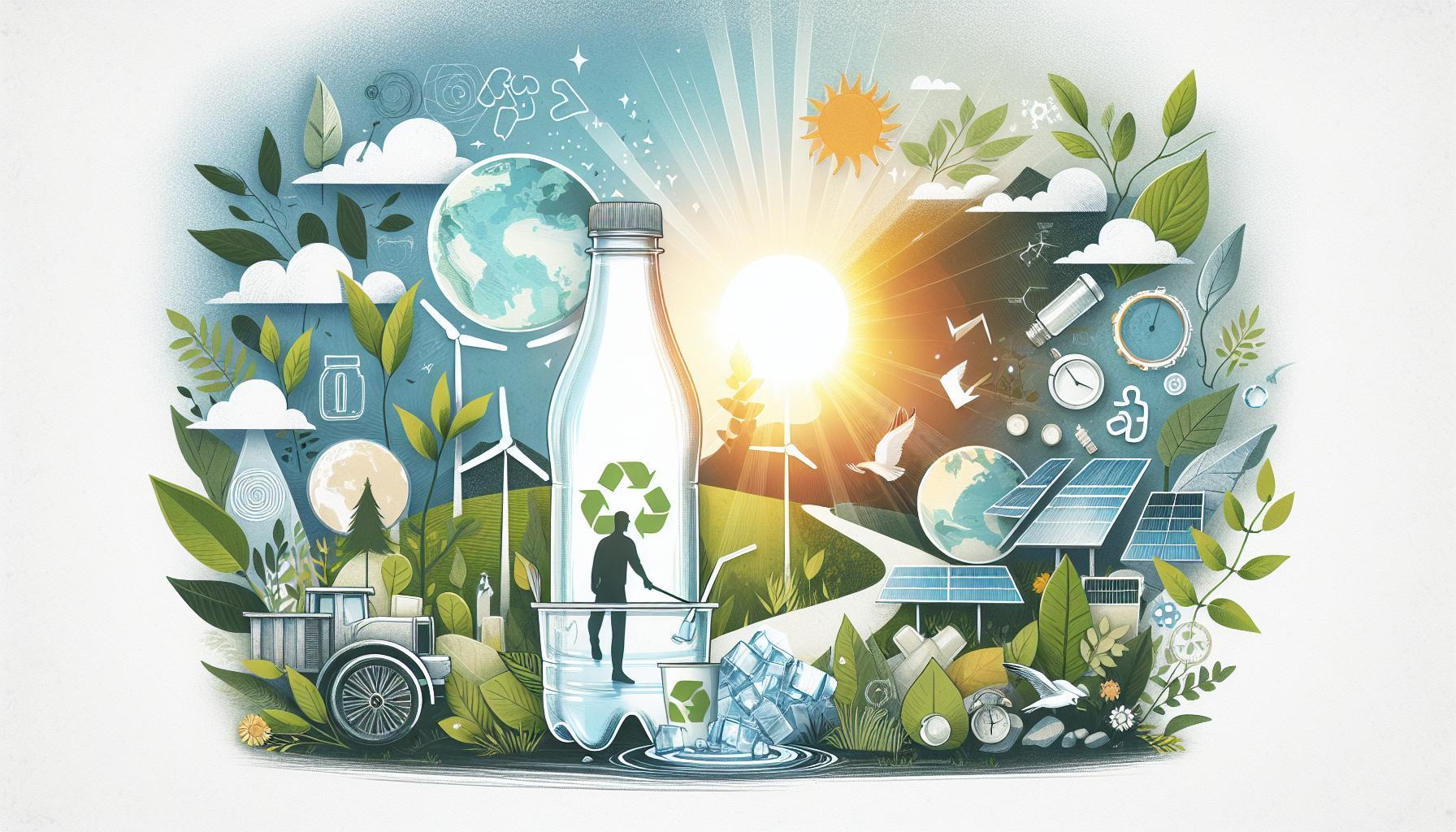

Did you know that an estimated 1 million plastic bottles are purchased worldwide every minute? As consumers, our choices can significantly impact the planet’s health. If you own an Owala water bottle, you might be wondering about its lifecycle and how to dispose of it responsibly when the time comes. Understanding the recyclability of Owala bottles not only addresses environmental concerns but also empowers you to make informed decisions that contribute to sustainability.
In this guide, we will explore whether Owala bottles are recyclable, offer practical disposal tips, and share insights on how to extend the life of your bottle. By embracing a proactive approach to waste reduction, you can be part of a growing community focused on creating a cleaner, greener future. Dive in to discover how you can play a vital role in reducing plastic waste while enjoying the convenience of your Owala water bottle!
Are Owala Water Bottles Eco-Friendly?

While Owala water bottles have gained popularity for their stylish design and functionality, an important consideration for conscious consumers is their environmental impact. The eco-friendliness of Owala products largely hinges on the materials used and the practices surrounding their disposal and recycling. Understanding these factors can help you make informed choices about using and ultimately disposing of your water bottle.
Owala bottles are typically made from durable plastic, which can contribute to plastic waste issues if not disposed of properly. However, unlike single-use plastic bottles, Owala bottles are designed for longevity, encouraging repeated use. This practice significantly reduces the number of plastic bottles entering landfills. By opting for reusable products, you join a growing community dedicated to reducing plastic pollution. Moreover, Owala’s commitment to quality often means that their bottles have a longer lifespan, further diminishing the need for replacement and consequent waste.
When it comes to recycling, Owala bottles can indeed be recycled, provided they are the right type of plastic. Most Owala products are made from BPA-free plastic, which is preferable from a health and environmental standpoint. For responsible disposal, it’s crucial to know your local recycling guidelines, as not all municipalities accept the same types of plastics. Checking your local recycling program’s specifications can ensure that you are placing your Owala water bottle in the appropriate recycling bin rather than inadvertently contributing to landfill waste.
In addition to recycling, there are innovative ways to give new life to your Owala bottles. Consider repurposing them into planters, storage containers, or even art projects. These practices not only extend the lifecycle of the materials involved but also foster creativity in sustainable practices. Engaging in such activities may inspire others in your community to think critically about waste and reconsider how they utilize their resources.
Ultimately, using Owala bottles can be a step toward a more sustainable lifestyle, particularly when combined with mindful consumption and responsible disposal practices. By embracing these eco-friendly habits, each consumer can contribute to a broader movement against plastic waste, demonstrating that even small changes can lead to significant environmental benefits.
Understanding Owala Material Composition

Owala water bottles are crafted using materials that not only prioritize functionality but also aim to minimize environmental impact. At their core, these bottles typically consist of high-quality, BPA-free plastic-specifically, Tritan™ copolyester. This material is known for being lightweight, shatter-resistant, and durable, making it an excellent choice for those who are consistently on the go. Additionally, the BPA-free designation addresses health concerns associated with certain plastics, positioning the bottles as a safer option for consumers.
Material Composition and Its Benefits
One of the standout features of Tritan™ is its recyclability. While many plastic products contribute to the growing concerns of plastic pollution, Tritan™ is designed with a longer lifecycle in mind, promoting repeated use and minimizing waste in landfills. When it eventually does reach the end of its usefulness, it’s essential to check local recycling guidelines to ensure proper disposal. Understanding which recycling streams accept Tritan™ can help you navigate the right path for responsible bottle disposal.
Beyond their primary functionality, the design of Owala bottles reflects an eco-conscious approach. Many models incorporate additional features like stainless steel accents or silicone grips, enhancing user experience while also encouraging reusability. Each component is thoughtfully selected to balance aesthetics with practical sustainability, promoting a lifestyle that values not just appearance but also environmental responsibility.
What Makes Owala Stand Out?
Owala’s commitment to creating eco-friendly products extends beyond just their material choices. For instance, the transparency of their supply chain and openness about using sustainable practices resonate well with consumers looking for trustworthy brands. When individuals choose Owala, they aren’t merely opting for a convenient water bottle-they’re supporting a brand that prioritizes environmental stewardship. This connection can inspire consumers to engage in more sustainable habits within their lives, creating a ripple effect that extends far beyond the initial purchase.
In sum, understanding the material composition of Owala bottles reveals a thoughtful intersection of durability, safety, and sustainability. By choosing these reusable bottles, consumers can make a positive impact, contributing to a global shift towards reduced plastic waste while enjoying a reliable hydration companion.
How to Properly Recycle Owala Bottles
Owala water bottles are designed to be durable and practical, but even the most eco-conscious consumers need to know how to dispose of them responsibly when they reach the end of their life cycle. Proper recycling is crucial for minimizing environmental impact and ensuring that the materials can be repurposed effectively. A significant consideration when recycling Owala bottles is the type of material used-Tritan™ copolyester, known for its recyclability. However, the recycling process may vary depending on local regulations, making it essential to be informed.
To begin recycling your Owala bottle, first, check with your local waste management service. Many municipalities have specific guidelines for plastic recycling, including what types of plastic are accepted. Tritan™ is typically listed under the accepted plastics; however, recycling facilities may differ in their capabilities. Look for the recycling symbol on the bottom of the bottle, which can provide insight into its recyclability. The number associated with the recycling symbol will help clarify whether your local facility can process it.
Once you’ve confirmed that your area can recycle Tritan™, it’s important to prepare the bottle for recycling. Begin by cleaning it thoroughly to remove any residues, which can contaminate the recycling stream. It’s often recommended to rinse it with warm water and soap. After cleaning, remove any non-plastic components, such as silicone grips or stainless steel accents, as they may not be recyclable with the plastic.
Another eco-friendly option is to find a collection point for Owala or Tritan™ recycling initiatives, which are sometimes organized by manufacturers, retailers, or community programs. Some brands partner with recycling companies to ensure their products are properly processed, offering consumers an easy way to return their used bottles.
By taking these steps, you contribute to reducing plastic waste and promoting sustainable practices. When you make an effort to recycle Owala bottles correctly, you’re not just disposing of a product-you’re participating in a larger movement towards environmental stewardship and responsible consumption. Through collective action, every individual can help drive positive change in our communities and beyond.
Innovative Ways to Repurpose Owala Bottles
Owala water bottles can serve a purpose far beyond just quenching your thirst. Once they’ve reached the end of their life cycle as a drink container, these versatile bottles can be transformed into creative and practical items that benefit your home or community. Instead of tossing them in the recycling bin, consider innovative ways to repurpose your Owala bottles, playing a part in the larger movement towards sustainability and waste reduction.
One simple yet effective idea is to convert your old Owala bottle into a sturdy plant watering dispenser. By filling the bottle with water and creating small holes in the cap, you can slowly release moisture directly to the roots of your plants, ensuring they receive just the right amount of hydration. This can be particularly beneficial for outdoor gardens during dry spells, helping to minimize water waste.
Upcycling Ideas for Everyday Use
Repurposing your Owala bottle can also involve some fun craft projects. Here are a few engaging ideas:
- Storage Solution: Clean and dry your bottles to create organized containers for office supplies, craft materials, or kitchen essentials. Simply remove the label and decorate them to match your home decor.
- Bird Feeder: Transform your Owala bottle into a bird feeder by cutting openings and attaching it securely to a tree or post. Fill it with birdseed, and soon, you’ll enjoy feathered friends visiting your yard.
- Travel Essentials: Refill your bottle with toiletries like shampoo or conditioner when traveling. This not only saves space in your luggage but promotes eco-friendliness by reducing reliance on single-use travel supplies.
- Art Projects: Use the bottles for school or community art projects. From making sculptures to DIY musical instruments, the possibilities are endless.
Community Engagement
In addition to personal projects, consider engaging with your community by organizing upcycling workshops. Collaborating with local schools, community centers, or environmental groups can foster a sense of community while promoting sustainable practices. Sharing invites others to join the sustainability movement and contributes to collective efforts in reducing plastic waste.
In every repurposing project, not only do you extend the life of your Owala bottle, but you also inspire positive environmental impacts. Each small action matters, and transforming these bottles into new, useful items embodies a sustainable lifestyle. By embracing creativity and community together, we can all play a part in shaping a greener and more resourceful future.
Common Myths About Recycling Water Bottles
Many people are unaware of the complexities surrounding water bottle recycling, often guided by misconceptions that can hinder effective environmental practices. Understanding these myths is crucial for making informed decisions, especially for users of Owala water bottles. Here, we dive into some common misunderstandings about recycling water bottles, clarifying the facts that can help you navigate the recycling landscape effectively.
One prevalent myth is that all plastic bottles are recyclable. In reality, recycling capabilities vary widely depending on the type of plastic. Owala bottles, typically made from durable materials like Tritan, do have recycling potential; however, they may not be recycled by all facilities. It’s essential to check local recycling guidelines to know what is accepted in your area. Additionally, the recycling symbol on the bottle may not guarantee recyclability-it simply indicates the type of plastic used, which can lead to further confusion among users.
Another common misconception is that rinsing out your bottles before recycling is unnecessary. On the contrary, thoroughly cleaning your Owala bottle can significantly enhance its recyclability. Residual liquids or food waste can contaminate the recycling stream, complicating the recycling process and potentially leading recyclable items to end up in landfills. By making a simple habit of rinsing your bottle, you contribute to cleaner recycling processes and help maximize the chances of your bottle being successfully repurposed.
People often believe that if a bottle is marked as “recyclable,” it will definitely be recycled. Unfortunately, this isn’t always the case. Factors like local recycling capabilities, collection methods, and processing facilities can affect whether a bottle is indeed recycled after being dropped in the bin. In fact, some estimates suggest that only around 30% of plastic bottles are ultimately recycled, underscoring the importance of reducing overall plastic use and finding alternative solutions, such as repurposing or reusing items whenever possible.
Finally, many individuals assume that recycling is the ultimate solution to the plastic waste crisis. While recycling is certainly a valuable practice, it should not be viewed as the only strategy. Reducing consumption, reusing items, and choosing sustainable alternatives are equally important steps in minimizing plastic waste. By adopting a comprehensive approach that combines these strategies, including thoughtful disposal and active participation in community initiatives, you can significantly contribute to environmental sustainability.
Navigating the world of recycling can be confusing, but dispelling these myths equips you to make wiser choices regarding your Owala water bottles. By integrating informed practices into your daily routines and embracing a proactive mindset, you can play a vital role in fostering a more sustainable future.
Eco-Friendly Alternatives to Owala Bottles
Considering the environmental footprints of various products, increasingly more consumers are seeking ways to reduce their impact on the planet, especially when it comes to reusable water bottles. Owala bottles, recognized for their durability and design, can still present challenges in terms of eco-friendliness, primarily regarding their material composition and the recycling processes available. Fortunately, there are several alternatives that align with sustainable practices and can help individuals make more eco-conscious choices.
Choosing Sustainable Materials
One significant step is to explore reusable water bottles crafted from materials such as glass or stainless steel. These materials not only have a lower environmental impact during production but also ensure a longer lifespan without leaching harmful chemicals. For example:
- Glass Bottles: Completely non-toxic and recyclable, glass is an ideal alternative as it does not retain flavors or odors. Brands like Lifefactory produce glass bottles with protective silicone sleeves, enhancing durability while being dishwasher-safe.
- Stainless Steel: Offering excellent insulation properties, stainless steel bottles, such as those from Hydro Flask, can keep beverages hot or cold for extended periods. They are typically designed for longevity and can be recycled at the end of their life cycle.
While these alternatives can be more expensive upfront, they often save money over time and contribute significantly less to plastic waste generation.
Innovative and Versatile Options
For those particularly interested in flexibility, collapsible silicone water bottles represent an innovative approach. These bottles are lightweight, durable, and take up minimal space when not in use, making them ideal for travel or outdoor activities. Brands like Nomader offer silicone options that are free of harmful chemicals and can easily be cleaned in a dishwasher.
Moreover, choosing biodegradable compostable bottles made from materials like plant-based plastics can also serve as a temporary solution for single-use scenarios. While the processing infrastructures for these materials are limited, they represent an evolving market in sustainable alternatives.
By opting for these alternative water bottle solutions, individuals can significantly enhance their eco-friendly practices, supporting a broader transition away from single-use plastics. Such thoughtful choices not only make personal contributions to sustainability but can also inspire community-wide shifts toward responsible consumption and resource use.
The Lifespan of Owala Bottles: What You Should Know
The durability of Owala bottles is one of their most appealing features, as these water bottles are designed to withstand the rigors of daily use. Made primarily from high-quality plastic, Owala bottles typically have a lifespan of 3 to 5 years with proper care. This longevity not only supports eco-friendliness by reducing the frequency of replacement but also aids in minimizing plastic waste-if the bottles are maintained well. With simple maintenance, such as regular cleaning and careful handling, users can maximize the length of service from their Owala bottles.
Maintaining Owala bottles involves more than just washing them. It is essential to avoid exposing them to extreme heat, which can compromise their structural integrity. For instance, placing them in a hot car or using them with beverages at high temperatures can lead to warping or discoloration. As a proactive measure, users should consider hand-washing the bottles rather than putting them in the dishwasher to prolong their life and ensure that all components, including seals and lids, remain intact.
- Avoid Extreme Temperatures: Keep the bottles out of direct sunlight and away from high-heat sources to prevent deformity.
- Regular Cleaning: Clean the bottle regularly with warm, soapy water and use a bottle brush for hard-to-reach areas.
- Inspect for Wear: Check regularly for signs of wear and tear, particularly at stress points like the lid and straw.
Another crucial aspect of longevity is awareness of the signs that indicate it’s time to replace your Owala bottle. If you notice cracks, leaks, or significant discoloration, these are indicators that the bottle may no longer be safe for use. When nearing the end of its life, think about creative repurposing options-turn it into a watering can for your plants or a storage container for small items instead of simply discarding it. Moreover, understanding recycling options in your area can significantly diminish environmental impacts. For those who are environmentally conscious and want to ensure their bottles are disposed of correctly, be sure to research local guidelines for recycling plastics #1 and #7, which apply to many Owala products.
By taking these steps, users contribute positively to their environmental footprint while enjoying the convenience and practicality of their Owala bottles. A focus on care, extended use, and creative repurposing not only supports individual sustainability efforts but also sets an example for community-wide responsible consumption.
Impact of Plastic Waste on the Environment
The pervasive issue of plastic waste underscores a critical need for awareness and action. Every year, an estimated 300 million tons of plastic are produced globally, and a significant portion of this ends up in landfills and oceans. In fact, according to the United Nations, 13 million tons of plastic waste are dumped into oceans annually, leading to dire consequences for marine life and ecosystems. The durability of plastics, once seen as an advantage, has become a double-edged sword-while they offer longevity in products like Owala water bottles, this same durability contributes to their persistence in the environment long after their useful lives.
The impact of plastic waste extends far beyond visible pollution. Microplastics, the tiny particles that result from the breakdown of larger plastic items, have infiltrated every part of our ecosystem, including soil, air, and water sources. These particles pose a threat to wildlife; animals can ingest them, leading to malnutrition or internal harm. Furthermore, microplastics have even made their way into the human food chain, raising concerns about potential health effects. As responsible consumers, understanding this cycle compels us to rethink our habits and consider how products like Owala bottles fit into the larger picture of sustainable living.
Addressing Plastic Waste Effectively
To combat plastic pollution, every action matters. Here are some practical steps individuals can take:
- Choose Reusable Options: Opt for reusable water bottles, like those from Owala, which can greatly reduce the need for single-use plastics.
- Food Choices: Advocate for and purchase products with minimal or recyclable packaging to reduce overall plastic production.
- Participate in Cleanup Initiatives: Join or organize community cleanups at local parks, rivers, or beaches to remove plastic waste from the environment directly.
- Educate Yourself and Others: Stay informed about recycling guidelines and educate friends and family on the significance of proper waste disposal.
Understanding how your Owala bottle-and any plastic product-fits into the broader context of plastic waste can empower individuals to make informed choices that contribute to a sustainable future. Encouraging community participation, fostering discussions about responsible consumption, and being mindful of the lifecycle of plastic products can mitigate environmental impacts, paving the way for healthier ecosystems. It’s not about perfection but progress; collectively, we can foster a culture that prioritizes sustainability and inspires innovative strategies to resolve the plastic crisis.
Finding Recycling Facilities Near You
Finding the right recycling facility can significantly impact the effective disposal and recycling of your Owala bottles, ensuring they are processed responsibly rather than ending up in landfills. Surprisingly, a recent study found that nearly 40% of recyclable materials do not get recycled due to a lack of awareness about proper recycling facilities. This emphasizes the importance of knowing where and how you can recycle your items.
To begin your search for recycling facilities near you, consider using online platforms and resources that allow you to locate the appropriate recycling centers. Websites like Earth911 or your local municipality’s waste management page not only provide listings of recycling facilities but also specify which materials they accept. This can be particularly helpful as not all locations may recycle plastic items like Owala bottles, depending on regional regulations and facility capabilities.
Every community may have different means of plastic disposal, and many municipalities have programs specifically for responsibly disposing of plastic items. Additionally, accessible mobile applications like Recycle Coach provide custom recycling schedules and facility options tailored to your area. Many local grocery stores also have designated drop-off points for plastic recycling.
Engaging with community initiatives can also be beneficial. Local non-profit organizations often coordinate recycling drives or clean-up events, where they partner with waste management services to ensure proper recycling of various materials. Participating in these initiatives not only provides guidance on recycling practices but also fosters a sense of community commitment to maintaining a clean environment. Don’t forget to check with your peers-friends, family, or social media groups can be a wellspring of information and tips related to recycling practices in your area.
In summary, locating a recycling facility is just the start of your responsible disposal journey. By leveraging community resources, utilizing technology, and staying informed about local recycling guidelines, you can play an active role in reducing plastic waste effectively. Sharing this knowledge within your circles can amplify the impact, inspiring others to join the movement towards a sustainable future.
Tips for Sustainable Water Bottle Usage
Using a reusable water bottle not only helps reduce plastic waste but also encourages a sustainable lifestyle. However, how you use and care for your bottle can significantly impact its longevity and effectiveness. By implementing some thoughtful practices, you can enhance your water bottle experience while contributing positively to the environment.
Firstly, proper cleaning is essential to maintain the quality and hygiene of your Owala water bottle. Over time, bacteria and mold can grow in bottles that are not regularly cleaned. To avoid this, it’s best to wash your bottle with warm, soapy water after each use. For deeper cleans, especially if you use your bottle to store liquids other than water, consider using a mixture of vinegar and baking soda or purchasing a bottle brush to ensure all surfaces are thoroughly cleaned.
Another effective tip is to avoid single-use plastics entirely. Instead of grabbing bottled water when on-the-go, keep your reusable bottle filled with water or your favorite beverage. This not only decreases your reliance on single-use plastic but also saves you money in the long run. You might blend creativity with sustainability by infusing your water with fruits or herbs, making hydration enjoyable and environmentally friendly.
Furthermore, optimizing your bottle’s lifespan can significantly reduce waste. Treat your Owala bottle with care: do not expose it to extreme temperatures or avoid placing it in the dishwasher if the manufacturer advises against it. Understanding and adhering to the manufacturer’s care instructions can lead to prolonged use, ultimately lessening the frequency of replacing your bottle.
In addition to these practices, consider advocating for water refill stations in your community. You could initiate conversations with local businesses, schools, or municipalities about the benefits of installing these stations, encouraging others to reduce plastic consumption. By taking small actions and inspiring those around you, you can amplify your positive impact on the environment and foster a community committed to sustainability.
By integrating these simple yet effective strategies, not only do you enhance your personal water bottle experience, but you also contribute to a larger movement toward minimizing plastic waste. Every small choice counts, and together, we can build a more eco-conscious society, starting with our everyday habits.
Community Initiatives for Plastic Reduction
Engaging local communities in initiatives aimed at plastic reduction can significantly enhance the effort to make the environment cleaner and more sustainable. Collaboration between individuals, groups, and local organizations can foster innovative solutions tailored to specific community needs. A profound example is the rise of community-driven projects that focus on reducing single-use plastics, and promoting the recycling and responsible disposal of plastic items like Owala water bottles.
One impactful way for community groups to reduce plastic use is through the establishment of educational campaigns. These campaigns can inform residents about the importance of reducing plastic consumption and provide information on recycling practices. Workshops can be organized to demonstrate how reusable items like Owala bottles can be utilized effectively. Additionally, partnerships with local schools can be initiated to promote sustainability education among students, fostering a generation that values environmental responsibility. Here are some practical approaches communities can consider:
- Plastic-Free Challenge: Organize events that encourage participants to go plastic-free for a week or month. Participants can share their experiences on social media, promoting community engagement and awareness.
- Refill Stations: Advocate for the installation of water refill stations in parks and public spaces. This not only encourages the use of reusable water bottles but also reduces dependence on bottled water.
- Clean-Up Drives: Regular clean-up events with community members help remove plastic waste from local parks and waterways. These events reinforce the importance of caring for the environment while providing a platform for community bonding.
- Local Recycling Programs: Partner with nearby recycling facilities to create accessible programs for recycling Owala bottles and other plastic items. Informing community members about where and how to recycle fosters a culture of responsible disposal.
Moreover, amplifying individual actions can lead to substantial collective impact. Community gardens and sustainability fairs can host informational booths on proper recycling and repurposing techniques, showcasing creative ways to give new life to Owala bottles, such as using them for planters or bird feeders.
By fostering a sense of shared responsibility and collective action, communities can tackle plastic waste effectively. Each initiative-whether it’s advocating for policy change or organizing local events-can empower individuals to take action and inspire others. Through collaboration, sustainable practices can transform from isolated choices into community norms, proving that together, we can cultivate a cleaner, greener environment.
Staying Informed: Trends in Reusable Bottles
The reusable bottle market is undergoing a significant transformation as more consumers seek sustainable alternatives to single-use plastics. With the global push towards environmental responsibility, innovations in design, materials, and functionality are redefining how we view reusable water bottles, like Owala. One notable trend is the growing emphasis on materials that are not only durable but also environmentally friendly. Many manufacturers are now opting for BPA-free plastics and stainless steel, providing consumers with safer, longer-lasting options. This shift reflects a broader understanding that the quality and safety of the materials used in water bottles are just as critical as their design.
Another emerging trend is the integration of smart technology into reusable bottles. Brands are beginning to incorporate features such as hydration tracking and reminders, which encourage users to drink more water throughout the day. For example, some bottles sync with apps to monitor users’ hydration levels, creating a more personalized experience. This tech-savvy approach appeals to health-conscious individuals and those looking to reduce their environmental footprint by promoting consistent water intake and reducing dependency on bottled beverages.
The design of reusable bottles has also evolved, moving beyond basic aesthetics to include emphasis on functionality and user experience. Features such as built-in infusers for fruits and herbs, wide mouths for easy cleaning, and even collapsible designs for convenience are gaining popularity. As people spend more time outdoors, especially post-pandemic, the need for versatile and lightweight options has become increasingly apparent. Consumers are not just looking for a bottle; they want a product that fits seamlessly into their lifestyle and encourages sustainable habits.
Furthermore, community awareness and activism surrounding waste reduction continue to grow. Social media campaigns and local events are highlighting the importance of choosing reusable bottles and proper disposal practices. Initiatives are taking place in cities where local organizations are hosting swap events to encourage individuals to donate or trade in old bottles, promoting not just reusability but also building community connections. These trends not only reflect a shift in consumer behavior but also serve as an inspiration for collective action towards a more sustainable future.
By staying informed about these trends, consumers can make empowered choices that align with their values while actively contributing to a more sustainable environment. Through mindful purchases and community engagement, the movement towards eco-friendliness, epitomized by products like Owala bottles, can lead to significant positive change.
Faq
Sure! Here’s an SEO-optimized FAQ section for “Are Owala Recyclable? Water Bottle Disposal Guide”:
Q: Are Owala bottles recyclable?
A: Owala bottles are made from BPA-free plastic, which means they can be recycled. Check local recycling guidelines to ensure proper disposal, as recycling rules may vary based on your location. Access detailed disposal instructions in our comprehensive guide.
Q: What material is used in Owala water bottles?
A: Owala water bottles are typically made from durable Tritan™ plastic, which is both BPA-free and recyclable. This material is designed to withstand daily use and is an eco-friendly choice when disposed of correctly.
Q: How do I properly dispose of my Owala water bottle?
A: To dispose of your Owala water bottle, clean it thoroughly and remove any non-plastic components like straws or lids. Then, follow your local recycling protocols for plastic items to ensure it is processed correctly. For more tips, visit our detailed disposal guide.
Q: Can I recycle the lids and straws of Owala bottles?
A: Typically, the lids and straws made from different types of plastic may not be recyclable in all areas. It’s essential to check local recycling guidelines, as some facilities may require these components to be disposed of as waste. See our guide for specifics on each part’s recyclability.
Q: What should I do if my Owala bottle is damaged?
A: If your Owala bottle is damaged, and it’s no longer usable, the best option is to recycle it. Be sure to check for any non-recyclable components and follow local recycling rules. Alternatively, consider upcycling it into a plant pot or other creative uses!
Q: Are there alternatives to Owala water bottles that are more eco-friendly?
A: Yes, several brands focus on sustainability by using recycled materials or offering refillable options. Look for brands emphasizing eco-friendly practices, such as stainless steel or glass bottles. For a comparison of eco-friendly bottles, see our product recommendations section.
Q: How can I minimize plastic waste with my Owala bottle?
A: To minimize plastic waste, utilize your Owala bottle as a refillable option wherever possible. You can also participate in local recycling programs and encourage others to do the same. Learn more about sustainable practices in our environmental impact section.
Q: What are the environmental benefits of recycling Owala bottles?
A: Recycling Owala bottles helps reduce plastic waste in landfills and conserves natural resources used to create new products. By recycling, you contribute to a circular economy, promoting sustainable practices. For further insights, check out our environmental benefits section.
This FAQ section is designed to provide clear, actionable information while strategically enhancing SEO visibility. Each answer is direct and informative, aimed at enriching user experience and encouraging reader engagement.
Wrapping Up
Thank you for exploring our guide on “Are Owala Recyclable? Water Bottle Disposal Guide.” You’ve learned that responsible recycling not only supports environmental sustainability but also enhances the lifecycle of your favorite reusable products. If you’re still wondering how to best dispose of your Owala or looking for more sustainable choices, be sure to check out our articles on Eco-Friendly Hydration Alternatives and The Importance of Recycling Plastics.
We invite you to take action today! Consider signing up for our newsletter for the latest insights on eco-conscious living and share your thoughts or questions in the comments below. Your engagement helps us gather a community dedicated to making impactful decisions. Remember, every small effort counts in the journey of sustainability. Explore more, and together, we can create meaningful change!
Get our latest guides, news, and insights highlighted in your Google Search & AI Overviews.