


Did you know that ceramic waste contributes significantly to landfills worldwide, with millions of pounds tossed aside each year? As global awareness of sustainability grows, recycled stoneware is emerging as a transformative solution in tableware. This eco-friendly alternative not only reduces waste but also elevates the dining experience with its unique and stylish designs.
For those seeking to make more sustainable choices in their homes, understanding recycled stoneware is essential. This form of tableware combines practicality with environmental responsibility, allowing you to enjoy beautiful dishes while making a positive impact on the planet. By choosing recycled options, you not only support eco-conscious manufacturing practices but also partake in a movement towards circular living.
Curious about how this innovative material is changing the tableware landscape? Join us as we explore what recycled stoneware is, how it benefits both your kitchen and the environment, and why it deserves a place at your dining table.
What Is Recycled Stoneware and How Is It Made?
Recycled stoneware represents a remarkable intersection of sustainability and craftsmanship, breathing new life into what could otherwise be waste materials. This eco-friendly alternative to traditional stoneware is crafted from a careful blend of recycled materials, often incorporating up to 50% post-consumer waste. The process begins with the collection of discarded ceramics, porcelain, and other sources, which are then meticulously processed. This involves crushing the waste into a fine powder, combining it with natural clay, and molding it into various shapes and designs. The formed pieces are then fired at high temperatures to ensure durability and longevity, completing the transformation from waste to functional art.
### The Manufacturing Process
The creation of recycled stoneware typically involves several key steps:
- Collection: Sourcing ceramic waste from manufacturers, retailers, and consumers.
- Grinding: Breaking down the collected materials into fine particles to ensure a uniform mixture.
- Mixing: Combining the ground recycled materials with natural clay and other additives to enhance strength and workability.
- Molding: Shaping the mixture into desired forms using various techniques such as slip casting or hand forming.
- Firing: Baking the shaped pieces in a kiln at high temperatures, which vitrifies the clay and ensures a solid, lasting finish.
What sets recycled stoneware apart is not just its materials, but also its potential to reduce environmental impact. By repurposing existing materials, this manufacturing process significantly cuts down on the demand for virgin resources, minimizes landfill waste, and reduces energy consumption compared to traditional stoneware production. Moreover, the unique textures and colors that result from varied recycled components often lead to eye-catching designs, making each piece not just functional, but a statement of style and sustainability.
This innovative approach aligns perfectly with the growing consumer demand for eco-conscious products that do not compromise on quality or aesthetics. As more brands embrace the production of recycled stoneware, the landscape of sustainable tableware continues to evolve, offering individuals a practical way to support eco-friendly practices with every meal enjoyed.
The Environmental Benefits of Recycled Stoneware
The shift toward sustainable living has gained momentum, and one particularly noteworthy advancement lies in the creation of recycled stoneware. This innovative material not only showcases a commitment to eco-friendly practices but also embodies tangible environmental benefits that resonate with conscious consumers. By choosing recycled stoneware, individuals can actively participate in reducing waste, conserving natural resources, and promoting a more sustainable economy.
Recycling existing materials rather than sourcing new ones significantly diminishes the demand for virgin resources. Traditional ceramic production often requires extensive amounts of natural clay and other raw materials, a process that can deplete landscapes and ecosystems. In contrast, recycled stoneware harnesses materials that might otherwise contribute to landfill overflow-such as discarded ceramics and porcelain-transforming them into beautiful, functional items. This transformation not only prevents waste but also reduces greenhouse gas emissions associated with mining and manufacturing processes.
Another critical aspect of recycled stoneware is its impact on energy consumption. The process of recycling often requires less energy compared to the extraction and processing of new materials. Additionally, because these items are fired at high temperatures to enhance durability, their longevity means less frequent replacements, creating a cycle of sustainability that benefits both consumers and the environment. Over time, the energy savings and waste reduction can contribute significantly to lowering an individual’s overall carbon footprint.
Moreover, the unique aesthetics of recycled stoneware-often characterized by varied textures and colors from the differing materials used-make it a visually appealing option for tableware. This individuality not only elevates the dining experience but also serves as a conversation starter, allowing consumers to share their commitment to sustainability. By integrating recycled stoneware into homes and communities, individuals can inspire others to consider the environmental impacts of their purchases and embrace more sustainable lifestyles.
Choosing recycled stoneware is not simply a matter of preference; it is a step toward a more responsible and sustainable way of living. Embracing this eco-friendly alternative sends a clear message about the importance of valuing resources and protecting the environment for future generations. Sustainable choices, such as opting for recycled stoneware, foster a culture of environmental awareness and inspire collective action towards a more sustainable future.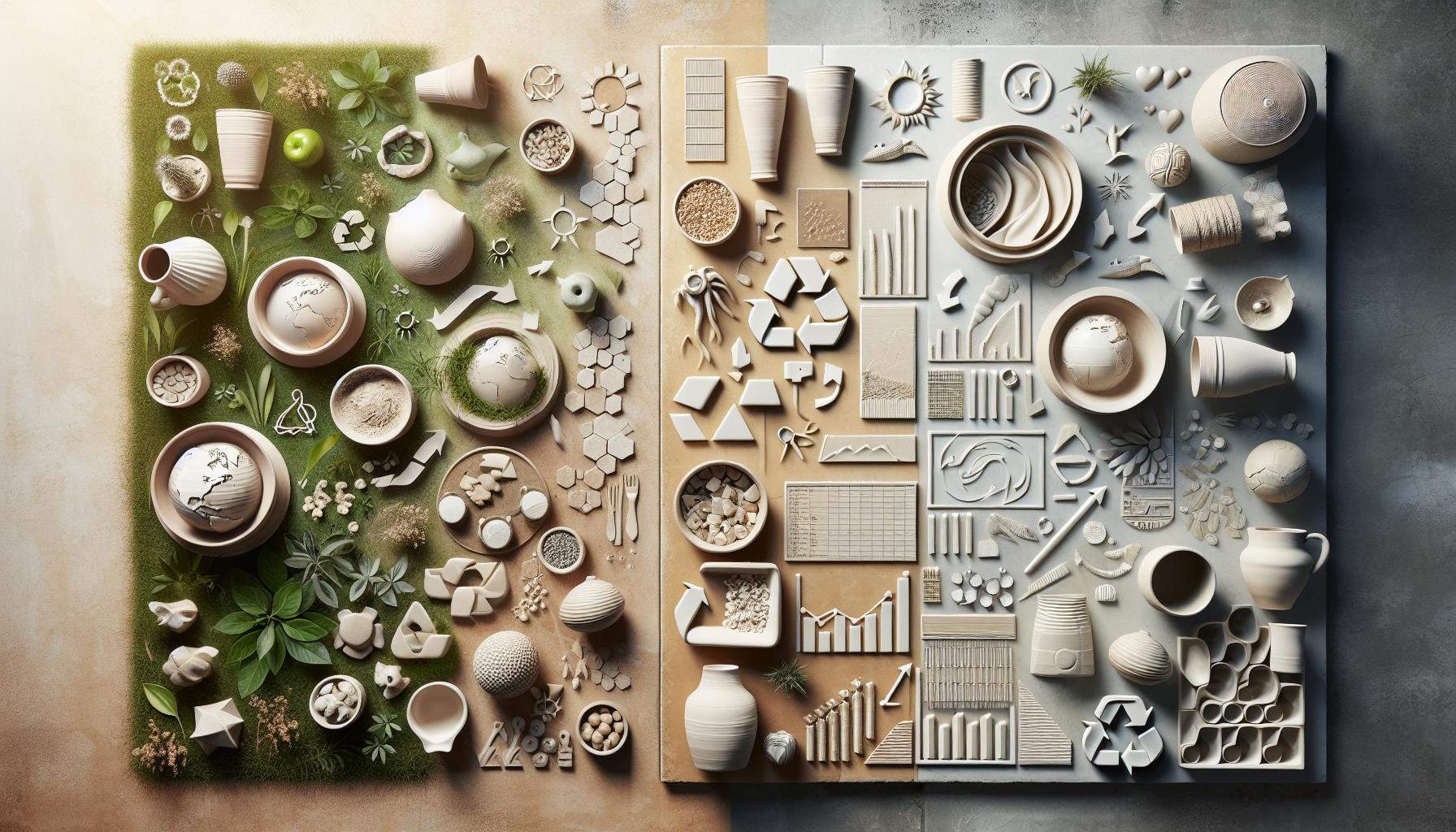
Comparing Recycled Stoneware with Traditional Ceramics
The distinction between recycled stoneware and traditional ceramics reveals significant differences in sustainability, production processes, and overall environmental impact. While both materials are utilized to create beautiful and functional tableware, recycled stoneware emerges as a more eco-conscious alternative that actively addresses some of the pressing environmental challenges posed by conventional pottery manufacturing.
One of the primary differences lies in the raw materials used. Traditional ceramics typically rely on new clay and natural minerals, which often necessitate extensive mining and contribute to habitat destruction. In contrast, recycled stoneware repurposes materials such as broken ceramics and porcelain scraps. This not only helps divert waste from landfills but also reduces the demand for virgin resources, making it a viable option for environmentally conscious consumers.
Energy Consumption and Durability
The manufacturing processes for these two materials also differ significantly in terms of energy consumption. Traditional ceramic production is energy-intensive, requiring high temperatures for longer periods to properly cure the materials. On the other hand, the recycling process for stoneware often utilizes lower temperatures and shorter firing times, resulting in reduced energy use. Furthermore, because recycled stoneware is crafted from durable materials, it offers increased longevity, meaning consumers may not need to replace their tableware as frequently compared to traditional options. This durability contributes to a decreased carbon footprint over the life cycle of the product.
Aesthetics and Functionality
Visually, these two types of tableware offer unique aesthetics, each appealing to different tastes. Traditional ceramics often feature classic patterns and uniformity, while recycled stoneware boasts a rich variety of colors and textures derived from its blended materials. This distinctive diversity makes recycled stoneware an attractive choice for those looking to express their individuality while committing to sustainable practices.
Ultimately, choosing between recycled stoneware and traditional ceramics involves considering not just aesthetics and functionality, but also the broader implications of one’s choices. By opting for recycled alternatives, consumers can support environmental sustainability while still enjoying high-quality and stylish tableware. The shift toward recycled stoneware represents more than just a trend; it signifies a conscientious movement towards a healthier planet, encouraging individuals to reassess their consumption patterns and make a positive impact within their communities.
How to Choose Sustainable Tableware for Your Home
When considering the purchase of tableware, there’s a growing consciousness among consumers about making choices that positively impact the environment. In the realm of sustainable dining, recycled stoneware stands out as a compelling option. Not only does it repurpose waste materials, but it also embodies a commitment to reducing the ecological footprint associated with conventional ceramics. However, navigating the many options available can be daunting. Understanding a few key factors will empower you to select the right sustainable tableware for your home.
Understanding Materials and Certifications
The first step in choosing sustainable tableware is to familiarize yourself with the materials used in its production. Recycled stoneware utilizes scraps from ceramics and porcelain, which significantly minimizes waste and resource extraction. Look for products that are certified organic or made from sustainably sourced materials. Certifications from recognized organizations, such as the Forest Stewardship Council (FSC) or the Global Organic Textile Standard (GOTS), can be indicators of more responsible manufacturing practices.
Moreover, investigating how a product is made can provide insights into its sustainability. Choose brands that disclose their production processes transparently. This may include using eco-friendly glazes, minimizing water usage, and employing renewable energy sources in their manufacturing. Companies committed to sustainability tend to provide detailed information on their websites about their practices and sourcing, enabling you to make informed decisions.
Functionality Meets Design
While sustainability is essential, the functionality and aesthetic appeal of your tableware shouldn’t be overlooked. Consider your lifestyle and the types of meals you frequently prepare when selecting plates, bowls, and serving dishes. Recycled stoneware is available in an array of designs, allowing for both modern and traditional aesthetics. Mix and match pieces to create a visually interesting table setting that’s also practical for your unique dining needs.
When evaluating your options, notice the weight and durability of the materials. Recycled stoneware is typically more robust, which means it’s less likely to chip or break compared to traditional ceramics. This durability not only extends the life of your tableware but also enhances its sustainability by reducing the need for frequent replacements.
Investing in Local and Ethical Brands
Supporting local artisans and brands that emphasize ethical practices can further enhance the sustainability of your purchases. Many small-scale producers focus on environmentally friendly methods and often utilize locally sourced materials. By buying from these brands, you’re not just reducing your carbon footprint-you’re also nurturing your community and supporting jobs that prioritize sustainability.
Researching the history and mission of the brands you’re interested in can deepen your connection to the products you choose. Seek out companies that engage in fair labor practices and invest in their communities. You might find stories of artisans who are passionate about sustainability, adding a personal touch to your dining experience.
In conclusion, choosing sustainable tableware is about making informed and conscious decisions. By understanding materials, balancing aesthetics with functionality, and investing in ethical brands, you can create a beautiful and environmentally friendly dining experience. Making thoughtful choices today can lead to a more sustainable future, empowering both you and your community to be part of the solution towards eco-conscious living.
Creative Ways to Use Recycled Stoneware in Your Kitchen
Recycled stoneware isn’t just a sustainable choice for your table settings; it can revolutionize your kitchen’s functionality and aesthetic. This durable and versatile material opens up a world of creative possibilities, seamlessly blending practicality with eco-consciousness. Whether you’re hosting a dinner party or simply enjoying a family meal, there are numerous innovative ways to incorporate recycled stoneware into your culinary space.
One of the most exciting ways to use recycled stoneware is through food presentation. Unique serving platters and bowls in various shapes and colors can elevate simple dishes into stunning culinary displays. For instance, a rustic stoneware platter can beautifully showcase an assortment of cheeses, fruits, and nuts for an elegant charcuterie board. Similarly, colorful bowls can be used for salads or side dishes, adding vibrancy to your dining table while also serving a functional purpose.
In addition to serving, consider utilizing recycled stoneware as cookware. Many pieces, such as baking dishes and casserole pots, come with high heat resistance, making them perfect for oven use. Imagine baking a delicious lasagna or roasting vegetables in a stoneware dish that not only performs well but also reduces your environmental impact. The ability to transition seamlessly from oven to table minimizes the need for additional serving dishes, simplifying clean-up and maximizing convenience.
Furthermore, get creative with storage solutions. Beautifully crafted stoneware containers can be an aesthetic and sustainable alternative to plastic for pantry storage. Use them to store grains, spices, or snacks, ensuring that your kitchen remains both organized and visually appealing. Their sturdiness not only protects the contents from moisture and pests but also contributes to a more sustainable kitchen by reducing reliance on disposable plastic.
Table Decor and Beyond
Recycled stoneware extends its charm beyond functional uses, making it ideal for kitchen decor. Pieces such as wall-mounted plates or decorative bowls can serve as conversation starters and artistic focal points. Arranging a few unique stoneware items on open shelves or as part of a centerpiece can reflect your commitment to sustainability while adding character to your space.
In summary, recycled stoneware adapts beautifully to various roles in the kitchen-from cookware and serving ware to storage and decor. Its durability and aesthetic versatility make it an exceptional choice for those looking to minimize their environmental footprint without sacrificing style or functionality. Embracing creative uses for recycled stoneware not only enhances your kitchen’s efficiency and elegance but also reinforces your values of sustainability and mindful living in your everyday life.
Care and Maintenance Tips for Recycled Stoneware
Recycled stoneware is not only an environmentally friendly choice but also a long-lasting investment for your kitchen. To maximize the lifespan and maintain the beauty of your recycled stoneware items, proper care and maintenance are essential. With a few thoughtful practices, you can keep your tableware in pristine condition while reducing unnecessary waste and extending its utility.
To begin with, always check the manufacturer’s guidelines regarding temperature limits and care instructions. Many recycled stoneware pieces are designed to withstand high temperatures, but it’s still wise to avoid sudden temperature changes. This precaution helps prevent cracking or thermal shock. When transitioning from a hot oven to a cooler surface, let your stoneware rest for a moment before exposing it to cooler environments.
Cleaning Guidelines
When it comes to cleaning your stoneware, a gentle approach is best. Refrain from using harsh chemicals or abrasive sponges that could mar the surface. Instead, follow these steps for effective cleaning:
- Allow your stoneware to cool before washing it to prevent thermal shock.
- Hand wash with warm, soapy water using a soft sponge. For tougher stains, you can create a paste with baking soda and water, gently scrubbing with a cloth.
- Rinse thoroughly to remove any soap residue, and dry with a soft towel to prevent water spots.
- Avoid soaking your stoneware for long periods, as it can absorb moisture and affect its performance.
Storage Tips
Proper storage is equally important in maintaining the quality of your recycled stoneware. Here are a few tips to keep your pieces safe and sound:
- Stack your stoneware carefully to avoid chipping. Place kitchen towels or cloths between layers for added protection.
- Store in a cool, dry place away from direct sunlight to prevent fading and degradation of colors.
- Keep lids or covers accessible and in the same area to ensure that all components remain together, reducing the chance of losing or damaging them.
By embracing these care and maintenance practices, you can enjoy the beauty and functionality of your recycled stoneware for years to come. With each meal served and every gathering celebrated using this sustainable tableware, you contribute to a healthier planet, one thoughtfully curated dish at a time.
The Future of Recycled Stoneware in Sustainable Living
As the push for sustainability continues to shape consumer behavior and manufacturing practices, recycled stoneware is emerging as a frontrunner in the realm of eco-friendly tableware. Many consumers today are actively seeking options that align with their values, leading to a growing interest in products that not only reduce waste but also tell a story about mindful living. Recycled stoneware, crafted from repurposed materials and designed to embody both functionality and aesthetics, plays an essential role in this narrative of sustainable change.
The advancements in recycling technology and sustainable practices are crucial to the future of recycled stoneware. Innovations in material recovery processes mean that manufacturers can now create high-quality stoneware using post-consumer waste, including scraps from ceramic production and discarded pottery. This approach not only minimizes landfill contributions but also conserves raw materials, addressing critical environmental concerns associated with traditional ceramics. As more brands harness these technologies, we can expect a wider variety of designs and colors that appeal to diverse consumer preferences, making sustainable choice irresistible.
Community Engagement and Awareness
Beyond individual choices, the future of recycled stoneware will also heavily rely on community awareness and engagement. Local workshops highlighting the importance of recycling and upcycling can create a culture of sustainability, encouraging individuals to participate actively in reducing their ecological footprints. For example, community centers might host events where participants can learn to make their own stoneware from recycled materials, fostering a deeper connection to the products they use daily.
Furthermore, brands dedicated to recycled stoneware can lead the way in educating consumers about the environmental advantages of choosing sustainable materials. By sharing their stories, from the sourcing of recycled components to the crafting of durable and beautiful tableware, they can inspire others to consider the broader implications of their consumption patterns. This kind of transparency not only builds trust but also fosters a community that values environmental responsibility.
Looking Ahead: The Role of Design
As design trends evolve, the aesthetic potential of recycled stoneware will undoubtedly influence its appeal. Future designs that marry sustainability with cutting-edge style can help bridge the gap between eco-conscious choices and consumer desires for individuality and quality. Artists and designers are beginning to experiment with textures, glazing techniques, and forms, resulting in unique pieces that stand out in a crowded market.
The synergy between innovation and sustainability heralds a promising future for recycled stoneware in sustainable living. By prioritizing methods that reduce waste and sharing these practices collaboratively, we can pave the way for a consumer culture that values and acknowledges the importance of sustainable choices-one plate, bowl, and cup at a time. With continued commitment, both producers and consumers can contribute to a future where sustainable living is not just a trend, but the norm.
Top Brands Leading the Way in Recycled Stoneware
As consumers increasingly prioritize sustainability in their purchasing decisions, several innovative brands are at the forefront of the recycled stoneware movement. These companies not only produce beautiful, functional tableware, but they also emphasize the importance of environmental consciousness throughout their processes. By integrating reclaimed materials into their design, these brands are paving the way for a more sustainable future.
One standout example is Becausetheydid, a brand that specializes in creating recycled stoneware that exudes contemporary artistry. This company utilizes ceramics that would otherwise end up in landfills, transforming them into unique, lifecycle-conscious pieces. Their commitment to craftsmanship means that each item retains a distinct character, showcasing the beauty of imperfections. Customers appreciate that they not only gain high-quality tableware, but also contribute to a compelling narrative of environmental responsibility.
Another intriguing brand is Renew Tableware, which partners with local artisans to produce hand-crafted recycled ceramics. They highlight the power of community engagement and education, offering workshops that connect consumers with their products. By teaching participants how to manipulate and glaze recycled materials, Renew fosters a deeper appreciation for the process and products. Their range is marked by rich textures and vibrant glazes, reinforcing that sustainable choices can also be aesthetically pleasing.
Greenhome.com stands as a comprehensive resource for eco-friendly tableware, offering a well-curated selection of recycled stoneware from various brands. They focus on providing an array of sustainable products, making it easier for consumers to explore and invest in green alternatives. From dinner sets to serving dishes, each piece is selected not only for its environmental benefits but also for its quality and style.
To further support those looking to make the shift towards sustainable tableware, here are a few tips when choosing brands specializing in recycled stoneware:
- Research the brand’s sourcing and production practices: Look for transparency regarding their materials and manufacturing processes.
- Check for certifications: Many brands will have eco-labels or certifications that demonstrate their commitment to sustainability.
- Embrace uniqueness: Since recycled stoneware is often handcrafted, expect variations that add character to each piece.
- Support local artisans: Purchasing from brands that collaborate with local craftspeople can help foster community and reduce your carbon footprint.
By choosing to purchase from these pioneering brands, consumers can not only enhance their dining experiences with beautiful, eco-friendly products but also contribute positively to the environment. Each purchase is a step toward embracing a culture that prioritizes sustainability and mindful living. As more individuals make informed choices, we can collectively push the market towards even greater innovations in recycled stoneware, illustrating that sustainable living is not just possible, it’s increasingly accessible and enjoyable.
Consumer Perspectives: Why Choose Sustainable Tableware?
As the world becomes increasingly aware of the environmental impact of our choices, many consumers are shifting towards sustainable alternatives, including tableware. The decision to opt for sustainable tableware, particularly recycled stoneware, goes beyond mere aesthetics; it is a commitment to a healthier planet and a more sustainable lifestyle. By choosing products made from recycled materials, individuals are supporting the reduction of waste, minimizing their carbon footprints, and emphasizing the importance of thoughtful consumption.
One compelling reason to consider recycled stoneware is its contribution to reducing landfill waste. Traditional ceramics can take thousands of years to decompose, but brands like Becausetheydid and Renew Tableware creatively repurpose waste materials, transforming what would have been discarded into beautiful, functional pieces. This not only serves the purpose of creating tableware but also promotes a circular economy where products are reused and repurposed, fostering a culture of sustainability. Each piece tells a story of environmental reclamation, encouraging consumers to feel connected to a larger movement towards mindful consumption.
Moreover, the growing interest in sustainable tableware reflects changing consumer values. People no longer seek solely decorative items but rather products that align with their ethical standards. Sustainable choices resonate with those who prioritize environmental responsibility and wish to make a positive impact through their purchases. The unique character of recycled stoneware, with its distinct textures and imperfections, embodies individuality-a quality many consumers cherish in an era of mass production. By investing in such tableware, individuals not only enhance their dining experiences but also become part of a community advocating for sustainable practices and eco-friendly living.
Practical Benefits
Opting for recycled stoneware also brings practical benefits to your home. Here are some reasons why you should consider making the switch:
- Durability: Recycled stoneware is often crafted for longevity, resisting chips and cracks better than traditional ceramics.
- Healthier Choices: Many eco-conscious brands prioritize non-toxic glazes and materials, ensuring that your dining experiences are free from harmful substances.
- Versatile Design: With a blend of contemporary and classic styles available, recycled stoneware can fit seamlessly into any kitchen aesthetic.
- Community Support: Purchasing from local artisans not only strengthens local economies but also provides an opportunity to engage with the stories behind each piece.
In conclusion, choosing recycled stoneware is not just an act of purchasing; it is a mindful investment in both personal health and global well-being. As more consumers recognize the power of their purchasing decisions, the ripple effect promotes sustainability as a lifestyle, encouraging others to reconsider their choices and paving the way for a more eco-friendly future. Through these actions, we collectively contribute to a healthier planet, illustrating that our everyday choices can be profound agents of change.
Innovative Designs in Recycled Stoneware Tableware
The versatility and creativity found in recycled stoneware tableware are making waves in the sustainable home decor movement. Designers are no longer bound by the limitations of traditional techniques or standard aesthetics; instead, they are embracing innovation, allowing the inherent qualities of reclaimed materials to shine. This shift not only results in unique products but also promotes a deeper connection with the environment and the craftsmanship behind each piece.
One of the most remarkable aspects of contemporary recycled stoneware design is its embrace of imperfections. Each item crafted from reused materials often tells a story-a texture here, a nuanced color there-which emphasizes individuality and artisanal craftsmanship. This celebration of uniqueness resonates with consumers seeking authenticity in a world where mass production dominates. Many artisans utilize techniques like marbling or layering to create visually stunning pieces that embody the spirit of sustainable living. By playing with gradients and color blends, they introduce an element of surprise and delight, ensuring that no two items are alike.
In terms of functionality, many designers are reimagining how we use tableware. Beyond traditional plates and bowls, innovative forms such as multi-functional serving dishes, stackable designs, and modular dinnerware systems have emerged. These pieces cater to modern lifestyles, enabling users to maximize space and adapt their dining setups according to different occasions. For instance, plates with built-in compartments can help streamline serving and reduce the need for excess utensils, marrying practicality with eco-consciousness.
Furthermore, collaborations between recyclers and established brands are paving the way for even more inventive designs. Initiatives shine a light on innovative processes-for example, using crushed ceramic scraps mixed with glazes to create a textured finish, or employing sustainable materials like bamboo to complement stoneware, resulting in eye-catching combinations that enhance both aesthetic appeal and utility.
In sum, the innovative designs emerging from the realm of recycled stoneware are redefining the tableware landscape, blending functionality, artistry, and sustainability. As consumers become increasingly drawn to pieces that differentiate their dining experiences while supporting environmentally friendly practices, these creations offer a viable path forward in a conscious lifestyle choice. Embracing recycled stoneware not only enriches personal spaces but also champions a broader movement towards a sustainable future, where every meal becomes an occasion to celebrate both art and the planet.
Addressing Myths and Misconceptions about Recycled Stoneware
Many people still hold misconceptions about recycled stoneware, often influenced by outdated beliefs or limited exposure to contemporary sustainable practices. One common myth is that recycled stoneware is of inferior quality compared to traditional ceramics. In reality, the materials used in recycled stoneware undergo rigorous processing and quality control to ensure durability and safety. Artisans and manufacturers utilize advanced techniques to transform discarded ceramics into vibrant, robust tableware that meets or exceeds industry standards. This commitment to quality means that not only do these pieces serve as eco-friendly options, but they also provide the longevity desired in everyday tableware.
Another prevalent misconception is that recycled stoneware lacks aesthetic appeal. Contrary to this belief, many designers intentionally highlight the unique qualities of reclaimed materials, resulting in distinctive and beautiful products. The imperfections inherent in recycled stoneware, such as varied textures and colors, contribute to its charm and individuality. Consumers often appreciate the narratives that these imperfections weave into their dining experiences. For instance, a set of recycled plates may display a stunning blend of glazes that evoke the coastal landscapes, telling a story that enhances the overall mealtime atmosphere.
Furthermore, some individuals worry about the safety of using recycled stoneware, particularly regarding leaching of toxins. It is important to note that reputable brands ensure their products comply with safety regulations. Many manufacturers conduct thorough testing to verify that their glazes are free from harmful substances, providing peace of mind for consumers. Always checking for certifications can help guide purchases towards safer and more responsible options.
Ultimately, dispelling these myths is vital for fostering a greater appreciation for recycled stoneware. By understanding the quality, aesthetic appeal, and safety of these products, consumers can make informed choices that reflect their values and contribute positively to sustainable living. Embracing recycled stoneware not only enhances personal dining experiences but also supports a larger movement towards environmental responsibility and creativity. Through community education and engagement, we can shift perceptions and encourage more individuals to explore the vibrant world of sustainable tableware.
Frequently Asked Questions
Q: What is recycled stoneware?
A: Recycled stoneware is a type of durable tableware made from post-consumer materials, such as discarded ceramics or glass, which are reprocessed and melded to create new products. It combines sustainability with functionality, making it an eco-friendly choice for everyday dining.
Q: How is recycled stoneware made?
A: Recycled stoneware is produced through a process that involves collecting, crushing, and heating recycled materials like clay, glass, and ceramics. This mixture is then shaped into dinnerware and fired at high temperatures, ensuring durability and a stylish finish.
Q: Why choose recycled stoneware over traditional ceramics?
A: Choosing recycled stoneware helps reduce waste and conserve natural resources. Traditional ceramics often require new materials, while recycled options minimize environmental impact. Plus, many recycled stoneware products feature unique designs and colors that add character to your table setting.
Q: What are the benefits of using sustainable tableware like recycled stoneware?
A: The benefits include reducing landfill waste, conserving energy, and supporting recycling efforts. Additionally, recycled stoneware is often lead-free, microwave-safe, and dishwasher-friendly, providing a safe and practical alternative for eco-conscious consumers. Explore more about sustainable tableware in our main article.
Q: Is recycled stoneware safe for food use?
A: Yes, recycled stoneware is considered safe for food use as long as it meets established safety standards. Reputable manufacturers test their products for harmful substances like lead and cadmium. Always check for certifications before purchasing to ensure safety.
Q: How can I incorporate recycled stoneware into my home?
A: Incorporate recycled stoneware by replacing disposable dishware or outdated pieces with eco-friendly options. Look for statement items that enhance your dining experience, and use them for both special occasions and daily meals. Discover tips on styling your table with sustainable materials in our article.
Q: Can recycled stoneware be recycled again?
A: While recycled stoneware is designed for durability, it can occasionally be recycled again, depending on local recycling facilities and their capabilities. Always check with your local recycling guidelines to ensure proper disposal methods.
Q: What are common misconceptions about recycled stoneware?
A: Common misconceptions include the belief that recycled stoneware lacks durability or aesthetic appeal. In reality, many recycled pieces are highly durable and come in various stylish designs. With advancements in manufacturing, they can rival traditional stoneware in both quality and beauty.
Feel free to engage with our article for more insights on sustainable tableware and practical tips for reducing your environmental footprint!
In Retrospect
As we’ve explored, recycled stoneware not only offers a beautiful and durable alternative to traditional tableware but also champions sustainability by reducing waste. By choosing recycled stoneware, you’re making a conscious decision to support eco-friendly practices and promote a healthier planet. Now is the perfect time to take action and elevate your dining experience with this sustainable option.
If you’re ready to dive deeper, check out our articles on eco-friendly dining tips and the benefits of sustainable materials to further enrich your knowledge. Don’t forget to subscribe to our newsletter for the latest insights and special offers on sustainable products. Share your thoughts or questions in the comments-we love hearing from you!
Your journey towards a more sustainable lifestyle starts here, and every step counts. Make the choice today for a greener tomorrow, and let’s continue this important conversation together!
Get our latest guides, news, and insights highlighted in your Google Search & AI Overviews.


