

Did you know that recycling scrap brass shell casings not only helps the environment but can also support local economies? As the demand for recycled materials grows, finding a reliable place to recycle your brass shell casings becomes increasingly important. Whether you’re a hobbyist, a sports shooter, or simply someone looking to declutter, understanding your recycling options can significantly impact your community and the planet.
Brass is a valuable resource that can be repurposed into a variety of products, effectively reducing the need for new metal extraction, which can be environmentally damaging. By recycling your shell casings, you contribute to a more sustainable future, helping to conserve energy and resources. But where can you recycle brass shell casings near you?
In this article, we’ll explore the importance of recycling scrap brass, local recycling options, and tips for ensuring you get the most value from your materials. Join us in making a positive change-your actions can make a difference!
Understanding Scrap Brass: What You Need to Know
Brass shell casings, a byproduct of ammunition, hold significant value not just for their material composition but also for the environmental benefits associated with recycling them. Brass is primarily an alloy of copper and zinc, which can be melted down and repurposed into new products, thus conserving resources and reducing the demand for new raw materials. Understanding the attributes and recycling potential of scrap brass can empower individuals and communities to make environmentally-friendly choices that contribute to sustainable practices.
When you think about recycling brass shell casings, it’s essential to recognize that not all brass materials are created equal. Different types of brass scrap, including yellow brass (which contains a higher percentage of zinc) and red brass (which is rich in copper), can have distinct values at recycling facilities. This differentiation means that those who recycle effectively can not only contribute to environmental stewardship but also potentially profit from their efforts. Local scrap metal recyclers typically pay for brass based on its weight and type, offering an incentive to recycle responsibly rather than simply discarding these items.
Recycling brass shell casings involves a few steps to ensure the process is as smooth and beneficial as possible. First, thoroughly clean the casings to remove any contaminants, which can improve their resale value. Second, identifying nearby recycling centers that accept brass is crucial; many local scrap dealers are eager to take these materials off your hands. By taking these simple actions, individuals can contribute to a circular economy where materials are reused, reduced, and recycled, minimizing waste and fostering sustainability in their communities.
The Value of Recycling Brass Shell Casings
Recycling brass shell casings presents not only an opportunity to reclaim valuable materials but also a means to contribute positively to both the economy and the environment. With brass being primarily composed of copper and zinc, this recyclable material holds significant intrinsic value. The market for brass scrap is robust, as many industries rely on it to fabricate new parts, machinery, and consumer goods. By recycling brass shell casings, individuals can help meet this demand while also reducing the pressure on raw materials that must otherwise be mined and processed.
Economic Incentives
The value of recycled brass can vary based on its type and condition, which adds an element of economic incentive to the recycling process. Yellow brass, used commonly in plumbing fixtures, and red brass, which contains more copper and is often found in electrical applications, are often priced differently at recycling centers. Recyclers typically pay based on weight and the specific type of brass, which means that cleaning and separating different types of brass can enhance returns. For enthusiasts and hobbyists alike, this means that collecting and recycling shell casings can not only declutter but also generate income.
Environmental Contributions
When considering the broader implications of recycling brass shell casings, the environmental benefits become equally compelling. Recycling brass conserves energy and resources, significantly reducing the carbon footprint associated with producing new brass materials. Each pound of recycled brass saves approximately 4,000 BTUs of energy compared to extracting and processing new ore. Furthermore, recycling helps divert waste from landfills, promoting a more sustainable circular economy where materials are reused rather than discarded. Engaging in brass recycling reflects a commitment to environmental stewardship, contributing to cleaner communities and reduced pollution.
By understanding -from both a financial and ecological perspective-individuals can take meaningful action. Their efforts support local recycling programs, help sustain industries reliant on recycled materials, and underline the importance of resource conservation. Engaging with recycling local initiatives not only benefits the individual recycler but also fosters a collective commitment to better environmental practices.
Local Recycling Centers for Brass Shell Casings
Finding a local recycling center for brass shell casings not only supports your community but also contributes to a sustainable future. Many recycling centers recognize the value of brass, primarily because of its composition of copper and zinc, making it a sought-after material in various industries. With the increasing awareness of environmental impacts, many centers are enhancing their capabilities to handle scrap brass, including shell casings from firearms.
To locate a nearby recycling center that accepts brass shell casings, start by visiting local recycling websites, or use platforms that specialize in waste management and recycling. Many areas have dedicated centers that offer specific services for collecting metal, while some general scrap yards may also accept brass. You can also reach out to local gun shops or shooting ranges; many of them have information about recycling programs or may even facilitate collections for you. This community connection can not only provide options for recycling but also fosters dialogue on responsible practices regarding spent casings.
Key Considerations When Choosing a Recycling Center
When selecting a recycling facility, consider the following factors:
- Acceptance Criteria: Ensure the center accepts brass shell casings, as policies may vary.
- Location: Choose a facility that is conveniently located to reduce transportation emissions, making your efforts even more worthwhile.
- Payment Rates: Inquire about the pricing structure for different types of brass; some centers may pay more for cleaned, separated brass.
- Environmental practices: Opt for centers that showcase sustainable practices in their operations, which can further align with your intention to make a positive impact.
By being proactive about recycling brass shell casings, you not only help reclaim valuable metals but also inspire others in your community to engage in sustainable habits. This collective effort towards recycling can significantly contribute to reducing waste and ensuring a cleaner environment for future generations.
How to Prepare Brass Shell Casings for Recycling
Preparing brass shell casings for recycling is a significant step in ensuring that valuable materials are reclaimed efficiently and responsibly. By taking a few simple actions before dropping off your casings at a recycling center, you can enhance their value and facilitate a smoother recycling process. Whether you’re a frequent shooter or someone cleaning out a collection, these steps will help you contribute effectively to metal recycling efforts.
First, it’s essential to gather and sort your brass shell casings. Keeping brass separate from other metals increases their recyclability and typically earns a higher payout. Ensure that your casings are primarily brass, as some may be made from other materials like aluminum or plastic, which should be disposed of differently. Inside casings should also be emptied; this includes disposing of any residue from gunpowder and primers. Although most recycling centers can handle minor amounts of residue, ensuring casings are clean will prevent contamination and align with best practices for recycling.
Next, consider cleaning your brass shell casings. Although this step isn’t always mandatory, it is recommended, especially if your casings are tarnished or dirty. You can clean them using soap and warm water, scrubbed gently with a soft brush. For cases that are heavily tarnished, some enthusiasts use citric acid or specific brass cleaning solutions to restore their shine. This process not only improves the aesthetic appeal but can also impact the metal’s market value positively.
Once the brass is clean and sorted, you may want to package it for transport. Use boxes or bags that keep the casings secure, especially if you’re carrying large quantities. This organization not only makes it easier for the recycling center staff but shows you’re serious about recycling your materials responsibly. If you have any questions about specific requirements or limits on quantities, reach out to your local recycling center before your visit.
By following these steps to prepare your brass shell casings for recycling, you are playing a crucial role in conserving materials and reducing waste. Your efforts not only support local recycling initiatives but encourage sustainable practices within your community. Each casing you recycle is a step toward a cleaner planet and a more efficient way of using our valuable natural resources.
Environmental Benefits of Recycling Brass
Recycling brass, especially from shell casings, offers significant environmental advantages that contribute to a more sustainable planet. One striking fact is that recycling brass conserves nearly 90% of the energy compared to producing new brass from raw materials. This energy saving translates to lower greenhouse gas emissions, making brass recycling an eco-friendly practice that combat climate change.
Brass is primarily composed of copper and zinc, both of which are finite natural resources. When you recycle brass shell casings, you reduce the need for mining these metals, which is an energy-intensive and environmentally disruptive process. Mining activities can lead to soil degradation, habitat destruction, and water pollution. By recycling brass, we conserve precious natural resources and protect biodiversity.
In addition to conserving resources, recycling brass helps reduce waste in landfills. Every brass shell casing that is recycled means one less piece of waste contributing to landfill overflow. This waste reduction also aids in minimizing the need for new landfill sites, which can have significant environmental impacts on local ecosystems. Brass products can be recycled multiple times without losing their quality, ensuring that they remain a part of a closed-loop system, ultimately promoting sustainable consumption.
Furthermore, local recycling initiatives create a sense of community involvement and responsibility. Many communities offer programs to educate residents on the importance of recycling metals, including brass. By participating in these programs, individuals can actively contribute to environmental efforts, learn about sustainable practices, and even foster local economic growth through recycling businesses. Supporting these initiatives not only helps improve local economies but also inspires collective action for a healthier environment.
Common Myths About Scrap Brass Recycling
Many individuals hold misconceptions about recycling scrap brass, particularly regarding shell casings. These myths can deter community involvement or misinform potential recyclers about the processes and benefits of recycled materials. Understanding the facts can empower individuals to take action and make better-informed decisions regarding their role in sustainability.
One prevalent myth is that recycling brass shell casings is complicated and time-consuming. In reality, the process is straightforward and typically involves a few simple steps: collect the casings, clean them if necessary, and take them to a local recycling facility. Many centers are readily available and can assist with the recycling process. Websites often feature directories allowing people to find facilities nearby, making it exceedingly convenient to recycle.
Another common misconception is that the financial return from recycling brass is negligible. While it’s true that scrap metal prices fluctuate, brass, due to its intrinsic value and demand, can yield a decent return on recycling efforts. In fact, as a contributor to local economies, every bit of brass recycled supports a cycle that fosters job creation within recycling industries. By understanding the potential financial benefits, individuals can view recycling not just as an environmental responsibility but also as an economic opportunity.
Dispelling Myths About Quality and Safety
Some people believe that recycled brass is of lower quality compared to new brass. This isn’t the case; when recycled correctly, brass maintains its properties and can be reused in various applications without compromising quality. The closed-loop nature of metal recycling means that recycled materials can continually be transformed into new products, ensuring their integrity remains intact.
Safety concerns also abound, particularly related to handling spent shell casings. It’s important to note that while military or range-used casings may require safety precautions, many recycling centers can guide individuals on safe handling practices. Education on proper procedures can alleviate fears and facilitate a more proactive recycling culture.
In conclusion, addressing these misconceptions is essential for fostering a community-oriented recycling culture. By breaking down these barriers, individuals can better understand the environmental and economic impacts of recycling brass shell casings and feel empowered to participate. As more people contribute to recycling efforts, their collective actions can lead to significant positive change in promoting sustainability and resource conservation.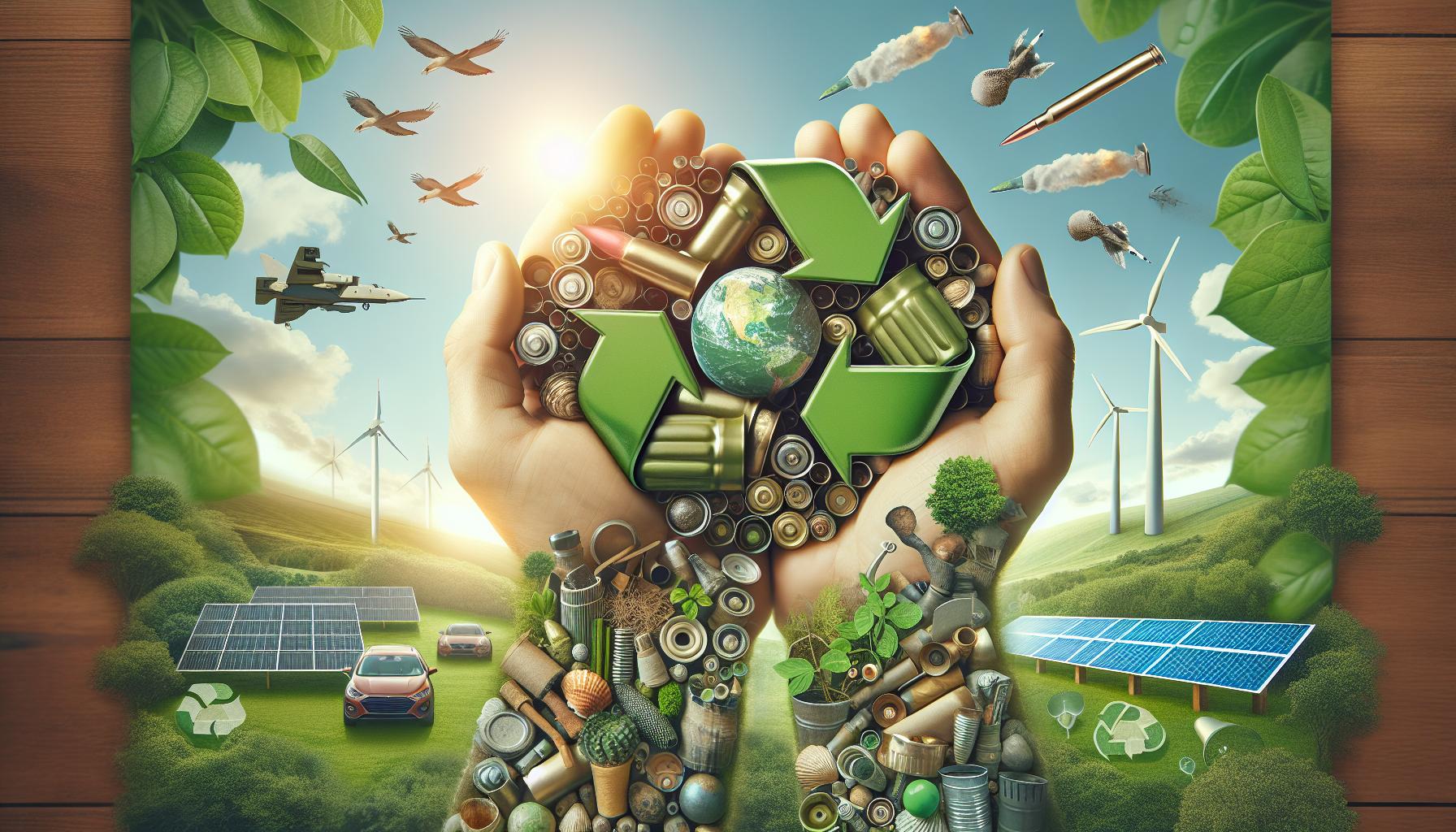
Safety Considerations When Handling Shell Casings
Handling scrap brass shell casings requires awareness and care, particularly when it comes to safety. While many individuals are eager to recycle these materials, it’s essential to recognize the necessary precautions to ensure personal safety and compliance with local regulations. For example, a common concern arises from spent casings potentially being contaminated with gunpowder residues or other materials-understanding the right procedures can help mitigate these risks.
When collecting and preparing brass shell casings for recycling, here are some safety measures to consider:
- Wear Gloves: Always handle shell casings with gloves to protect your skin from any contaminants. Heavy-duty gloves are often recommended to avoid cuts and abrasions.
- Use Eye Protection: Safety goggles can be beneficial while sorting or cleaning casings, as debris or small particles might become dislodged.
- Avoid Ingestion and Inhalation: If casings are dusty or dirty, avoid breathing in any particles or touching your face after handling them. Washing hands thoroughly after handling is crucial.
- Proper Storage: Store collected casings in a sturdy, closed container to prevent accidental spills or exposure, especially when transporting them to recycling facilities.
Educating Oneself and Others
To further alleviate any safety concerns, local recycling centers often provide information about safe handling and disposal practices. Many facilities will conduct workshops or offer educational resources on the importance of safety when dealing with scrap metals, including brass shell casings. Engaging with these resources not only enhances your knowledge but also fosters a community-centered approach to recycling.
Networking within local shooting or hunting communities can also be advantageous, as members often share tips and experiences regarding the safe collection and recycling of shell casings. By building these connections, individuals can collaborate to promote safe practices, thereby creating a more informed and responsible recycling culture.
In summary, while the act of recycling brass shell casings presents unique safety considerations, adhering to proper handling procedures can ensure a smooth and secure process. With the right precautions in place, transforming these materials into new products becomes accessible, contributing positively to environmental sustainability.
Steps to Find Recycling Facilities Nearby
Finding a nearby recycling facility for your scrap brass shell casings doesn’t have to be a daunting task. With the growing interest in sustainability and the economic benefits of recycling, many communities are stepping up to provide access to recycling services. Knowing where to look and what to ask can make the process simpler and more efficient for responsible recyclers.
Start your search online by using local directory services or search engines. Typing in queries like “brass recycling near me” or “scrap metal recyclers in [Your Location]” can yield quick results. It’s also beneficial to check platforms like Yelp or Google Maps, which offer user reviews and ratings. Look for recycling centers that specialize in metals or have sections dedicated to brass, as these places are more inclined to accept shell casings.
Connect with Local Resources
Another effective strategy is to tap into community resources such as local shooting ranges, sporting goods stores, or hunting associations. These places often have ties with recycling facilities and can guide you to appropriate locations. Engaging with social media groups or forums dedicated to shooting sports can also lead to recommendations from fellow enthusiasts on where to recycle shell casings safely and responsibly.
Additionally, don’t overlook the possibility of visiting municipal waste management or recycling facilities. Many cities have special drop-off days for hazardous materials, and they may provide useful information about how to recycle brass and other metals more efficiently. Some facilities may even hold community events centered around recycling and sustainability, which can further educate you and connect you with like-minded individuals.
Verify Facility Acceptance Policies
Once you’ve identified potential recycling centers, it’s important to verify their acceptance policies regarding brass shell casings. Call ahead to inquire whether they accept shell casings and whether any preparation is required before dropping them off, such as cleaning or sorting. Knowing what to expect can save you time and ensure that your recycling efforts are successful.
By proactively seeking out resources and engaging with your community, you’ll not only facilitate the recycling of your brass shell casings but also contribute to a broader movement of environmental responsibility and resource conservation. Embrace this opportunity to transform spent materials into new products, fostering a sustainable future for generations to come.
Brass Recycling Processes: From Shell to New Product
The recycling of brass shell casings is a transformative process that not only recovers valuable materials but also supports environmental conservation. When brass casings are collected for recycling, they undergo several critical processes that ultimately repurpose them into new products, thus completing a sustainable cycle. Each step, from collection to repurposing, contributes to reducing energy consumption and conserving natural resources.
Initially, brass shell casings are sorted based on their composition to ensure that the recycled material meets quality standards. This sorting process is crucial, as different brass alloys may require distinct treatment methods. Once sorted, the casings are thoroughly cleaned to remove any contaminants such as gunpowder residues or surface oils, making them safe for processing. The clean brass is then melted down in a furnace. This melting process requires significantly less energy compared to producing brass from raw ore, showcasing why brass recycling is considered an environmentally friendly practice [[1]].
After melting, the liquid brass is poured into molds and cooled, forming new brass ingots. These ingots can then be sold to manufacturers who will use them to create various products, ranging from plumbing fixtures and electrical fittings to musical instruments and decorative items. This illustrates how a seemingly waste material like shell casings can have a second life in creating essential commodities, emphasizing the potential community impact of brass recycling.
By participating in brass recycling, individuals contribute to a sustainable economy while reducing landfill waste. Every shell casing recycled not only conserves valuable metal but also minimizes the carbon footprint associated with the extraction and processing of raw materials. Engaging in this process helps foster a culture of environmental consciousness and encourages more sustainable practices within communities.
The Economics of Scrap Brass: Pricing Insights
Recycling brass shell casings not only serves environmental purposes but also carries significant economic implications that can benefit individuals and communities alike. The price of scrap brass fluctuates based on various market factors, including current demand, global metal prices, and regional supply levels. This means that when individuals sell their brass shell casings, they can receive payment based on these fluctuating prices, which can be surprisingly lucrative. Typically, scrap brass may fetch anywhere from about $1.50 to $3.00 per pound, though this amount varies by location and time due to market conditions and competition among recyclers.
Understanding the Market Dynamics
The economics of scrap brass hinge on the demand-supply equilibrium. When demand for brass in manufacturing increases-such as during booming construction projects or when new products that use brass are introduced-prices tend to rise. Conversely, if there’s an oversupply or decreased demand due to economic downturns, prices may drop. This interplay illustrates the importance of staying informed about trends in the metal market, enabling recyclers to time their sales for maximum profit. Engaging with local scrap yards or online resources can provide valuable insight into current pricing.
Practical Implications for Local Recyclers
Individuals looking to recycle brass shell casings should also consider their local recycling centers’ specific policies. Many areas feature dedicated scrap yards or collectors that specialize in metals, which often offer more competitive rates than general waste management facilities. Connecting with local recyclers not only promotes stronger community relationships but can likewise create a network where recyclers can share tips and best practices.
Achieving economic benefits from recycling brass involves more than just knowing when to sell; it also includes understanding the overall impact of recycling on the economy. By recycling, individuals contribute to a circular economy, where materials like brass are continuously reused and repurposed. This not only saves money on raw material extraction and production but also reduces environmental footprints, further underlining the intrinsic value of participating in the recycling process.
Ultimately, engaging in brass recycling is a participatory endeavor that benefits both individual recyclers and the broader community, promoting sustainability while yielding tangible economic returns.
Community Initiatives Supporting Brass Recycling
Engaging in brass recycling not only benefits the environment but also strengthens community ties. Numerous local initiatives focus on encouraging the recycling of brass – particularly shell casings – that contribute positively to surrounding neighborhoods and create a ripple effect that enhances community pride and awareness around sustainable practices. For instance, various community organizations often host recycling drives where residents can bring their scrap brass and learn about the benefits of recycling while also participating in educational sessions on waste management.
Collaborative Efforts and Programs
Non-profit organizations frequently partner with schools, local governments, and businesses to conduct workshops that emphasize the importance of recycling metals like brass. These educational programs not only teach participants how to recycle correctly but also delve into the economic and environmental advantages of doing so. By fostering discussions and shared goals among different community sectors, these initiatives help participants understand that recycling waste, including brass, plays a crucial role in a circular economy.
Local Recycling Drives and Events
Many neighborhoods organize periodic recycling events where residents can drop off their brass shell casings and other scrap metals. These events are often combined with community fairs, making them enjoyable family outings. Additionally, local scrap yards may offer incentives, such as higher pay rates or bonus payouts during these specific events, thus encouraging more people to participate. By creating a festive atmosphere and including activities such as raffles or prizes, these initiatives make recycling a community celebration rather than a chore.
Partnerships with Local Businesses
Many companies, especially those in the manufacturing sector or sporting goods, collaborate with community recycling initiatives to facilitate easier access to recycling options. They might provide donation points or information on where to recycle brass shell casings effectively. This collaboration not only increases the recycling volume but also promotes the idea that environmental responsibility is a shared effort among corporations and the community.
In summary, serve as vital platforms for education, collaboration, and environmental stewardship. By participating in these programs, individuals can contribute to a greener planet while also fostering a sense of community and shared responsibility. Each effort, no matter how small, plays a role in promoting sustainability and can inspire future generations to prioritize recycling.
How to Get Involved in Local Recycling Efforts
Engaging in local recycling initiatives can make a significant impact on your community and the environment. One effective way to get involved is by exploring local recycling events specifically targeted at scrap brass, including shell casings. These events not only provide a convenient drop-off point for your recyclable materials but also create an opportunity to connect with like-minded individuals who are passionate about sustainability. Many communities host seasonal recycling drives, often alongside festivals or educational workshops, where participants learn best practices for recycling while enjoying a sense of community spirit.
Joining or Organizing Community Initiatives
Consider joining a local environmental organization or group focused on recycling. This can be an excellent avenue to educate yourself about best practices for recycling brass shell casings and participate in efforts that can strengthen community engagement around sustainability. For those who feel inspired, organizing a recycling event can be incredibly impactful. Collaborate with local non-profits or schools to set up a collection day, ensuring you promote the event through social media and community bulletins. Such initiatives not only raise awareness but also encourage more community members to participate.
Networking with Local Businesses
Another practical approach is to connect with local businesses that are committed to environmental stewardship. Many corporations are eager to partner with community groups to facilitate recycling efforts. You can reach out to sporting goods stores, manufacturing firms, or metal recycling centers to discuss potential collaborations. These partnerships can provide resources, such as informational materials or collection points, that make recycling brass shell casings more accessible. Often, local businesses are willing to offer incentives for customers who come in with scrap brass, creating a win-win situation for both parties.
Educational Resources and Workshops
Participate in or promote workshops that educate residents about the recycling process, particularly for metals like brass. These can often be found through local libraries, community centers, or environmental organizations. Such workshops help demystify the recycling process and provide practical advice on how to prepare brass shell casings for recycling. Knowing how to flatten, clean, or sort your materials can significantly enhance the recycling yield and effectiveness. Additionally, sharing what you learn with your friends and family can help spread awareness and motivate others to engage in recycling efforts.
By taking these proactive steps, every individual can contribute to a broader movement towards environmental responsibility while fostering a sense of community engagement and collective action.
Frequently Asked Questions
Q: Where can I find places that recycle scrap brass shell casings near me?
A: To find local recyclers for scrap brass shell casings, consider using online directories such as Yelp or Google Maps. Search for “scrap metal recycling near me” and filter results for those specializing in brass. You can also check local gun ranges, which may have recommendations for recycling options.
Q: What types of businesses recycle brass shell casings?
A: Businesses that typically recycle brass shell casings include scrap metal yards, gun ranges, and shooting sports stores. Additionally, some specialized recycling facilities focus specifically on metal recycling. For a thorough list, check local waste management firm resources or environmental services in your area.
Q: How much is scrap brass shell casings worth for recycling?
A: The value of scrap brass shell casings varies and is influenced by market demand and location. As of recent estimates, prices can range from $2 to $4 per pound. To get current pricing, contact local scrap yards directly or visit websites that track metal pricing trends.
Q: Can I recycle my spent brass cartridges at a gun range?
A: Yes, many gun ranges recycle spent brass cartridges. Some ranges may offer incentives or programs for shooters to turn in their spent casings. Check with your local range to see what recycling options they provide and the specifics of their programs.
Q: What should I do with my brass shell casings before recycling them?
A: Before recycling brass shell casings, ensure they are clean and free from any lead residues or other contaminants. It’s best to sort and store them in a safe container. Additionally, check with your local recycler for any specific preparation guidelines they may have.
Q: Why is recycling brass shell casings important?
A: Recycling brass shell casings is vital for environmental sustainability as it reduces landfill waste and conserves natural resources. Brass can be melted down and reused, minimizing the need for new metal production, which is energy-intensive. Supporting recycling also promotes a circular economy.
Q: Are there any special regulations for recycling brass shell casings?
A: Yes, regulations may apply when recycling brass shell casings, especially if they are associated with firearms. Laws may vary by location regarding the disposal and recycling of ammunition components. Always check local laws and consult with recycling facilities to ensure compliance.
Q: What are the environmental benefits of recycling brass shell casings?
A: Recycling brass shell casings conserves resources, reduces energy usage, and decreases greenhouse gas emissions associated with metal production. By recycling, you contribute to a more sustainable environment and help mitigate the ecological impact of raw material extraction.
For more information on recycling metals and sustainable practices, check our comprehensive guide on metal recycling in your community. Your actions can make a positive change!
In Conclusion
As you consider recycling scrap brass shell casings, remember the dual benefits of sustainability and potential financial return. By choosing to recycle, you’re not only taking a meaningful step towards reducing waste, but you’re also contributing to the circular economy that values the materials we often overlook. If you’re ready to take action today, explore our guide on “How to Find a Scrap Yard Near You” or check out the benefits of recycling on our “Recycling 101” page for more insights.
Don’t let your valuable brass go to waste! Join our community by signing up for our newsletter to stay informed about local recycling events and opportunities. We’d love to hear your thoughts on this topic-feel free to leave a comment below. If you have questions about the recycling process or want to share your experiences, your input enriches our collective knowledge and inspires others. Together, let’s make a positive impact on our environment while maximizing the value of our resources. Keep exploring!
Get our latest guides, news, and insights highlighted in your Google Search & AI Overviews.


