Glacier water often tempts adventurers seeking pure, refreshing hydration. However, an essential question lingers: Is it safe to drink? Understanding the potential risks and benefits of glacier water can significantly impact your health and safety while enjoying nature’s wonders. This natural source may seem pristine but can harbor hidden dangers, from contaminants to pathogens.
As more outdoor enthusiasts embrace glacier trekking or camping near these majestic ice formations, this topic becomes increasingly relevant. Knowing whether to sip directly from a glacial stream or opt for alternative water sources can ensure a safe and enjoyable adventure. Dive into essential facts about glacier water, explore its unique properties, and arm yourself with knowledge to make informed decisions during your explorations.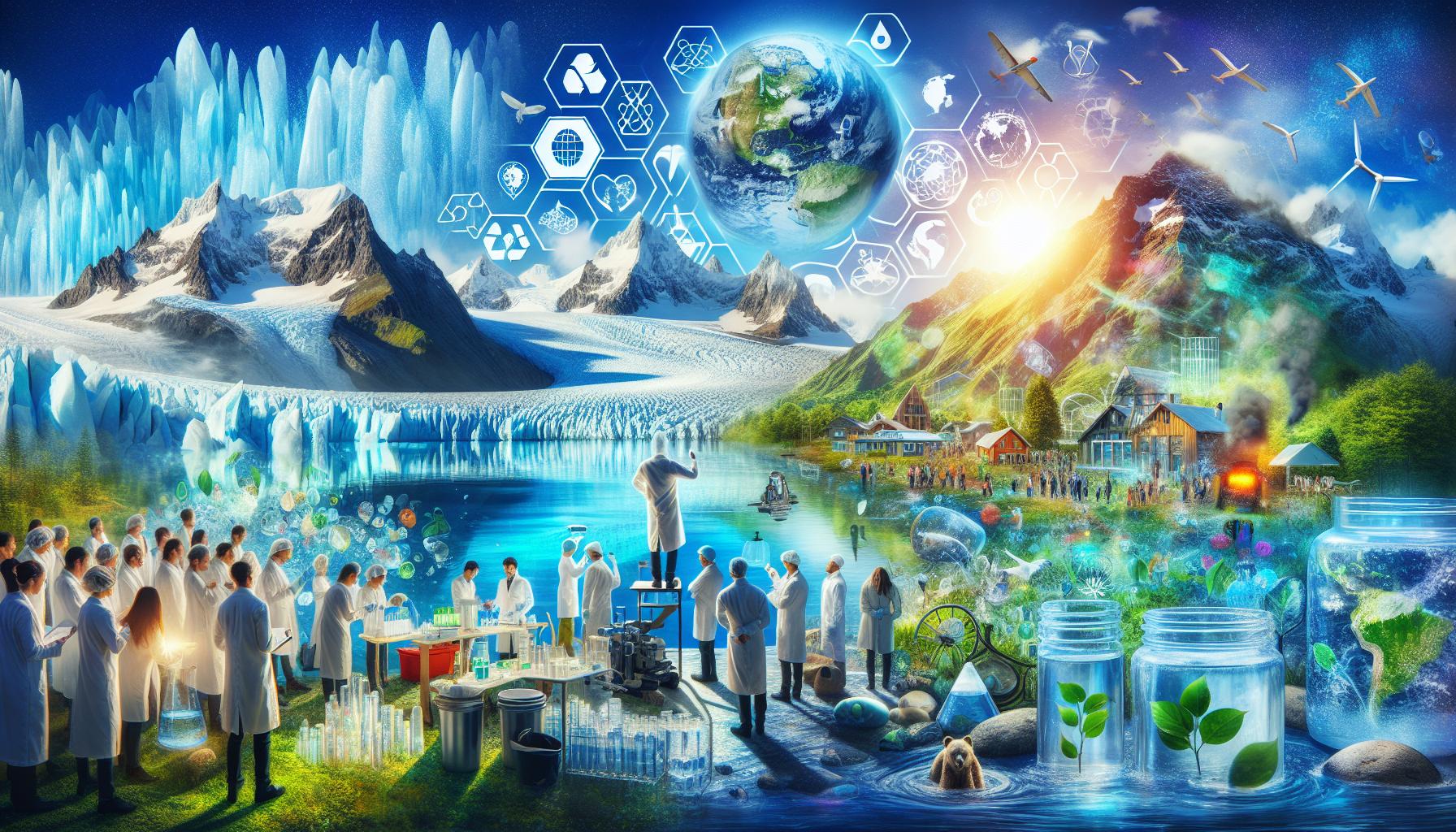
Is Glacier Water Safe to Drink? Key Considerations
Drinking glacier water may seem like a refreshing choice, conjuring images of pristine landscapes and rejuvenating hydration. However, it is essential to weigh various factors before assuming it is safe. While glacial meltwater is often clear and visually enticing, it can harbor harmful microorganisms, particulates, and pollutants that pose health risks. Therefore, adventurers should approach this source of water with caution and consider several key factors.
For optimal safety, understanding the source and context of glacier water is crucial. Glaciers are dynamic systems influenced by changing climates, and as they melt, the water may pick up contaminants from the surrounding environments. This includes the potential for pathogens, such as giardia, which can cause gastrointestinal distress. Additionally, sediment and debris from the environment can introduce harmful substances that are not visible to the naked eye.
When contemplating the safety of drinking glacier water, it is essential to adopt purification measures. Simple filtration systems, chemical treatments, or boiling methods can mitigate health risks by eliminating pathogens and particles. Considering the proximity of human activity or livestock to the glacier can also inform the decision to consume this water. Areas with heavy human impact or pollution are more likely to compromise water quality, reinforcing the need for thorough assessment and preparation.
Ultimately, educating oneself about both the benefits and risks associated with glacier water consumption is vital for ensuring safe, responsible adventures in these stunning natural environments. By being informed and prepared, adventurers can enjoy the beauty of glacier landscapes while minimizing health risks and environmental impacts.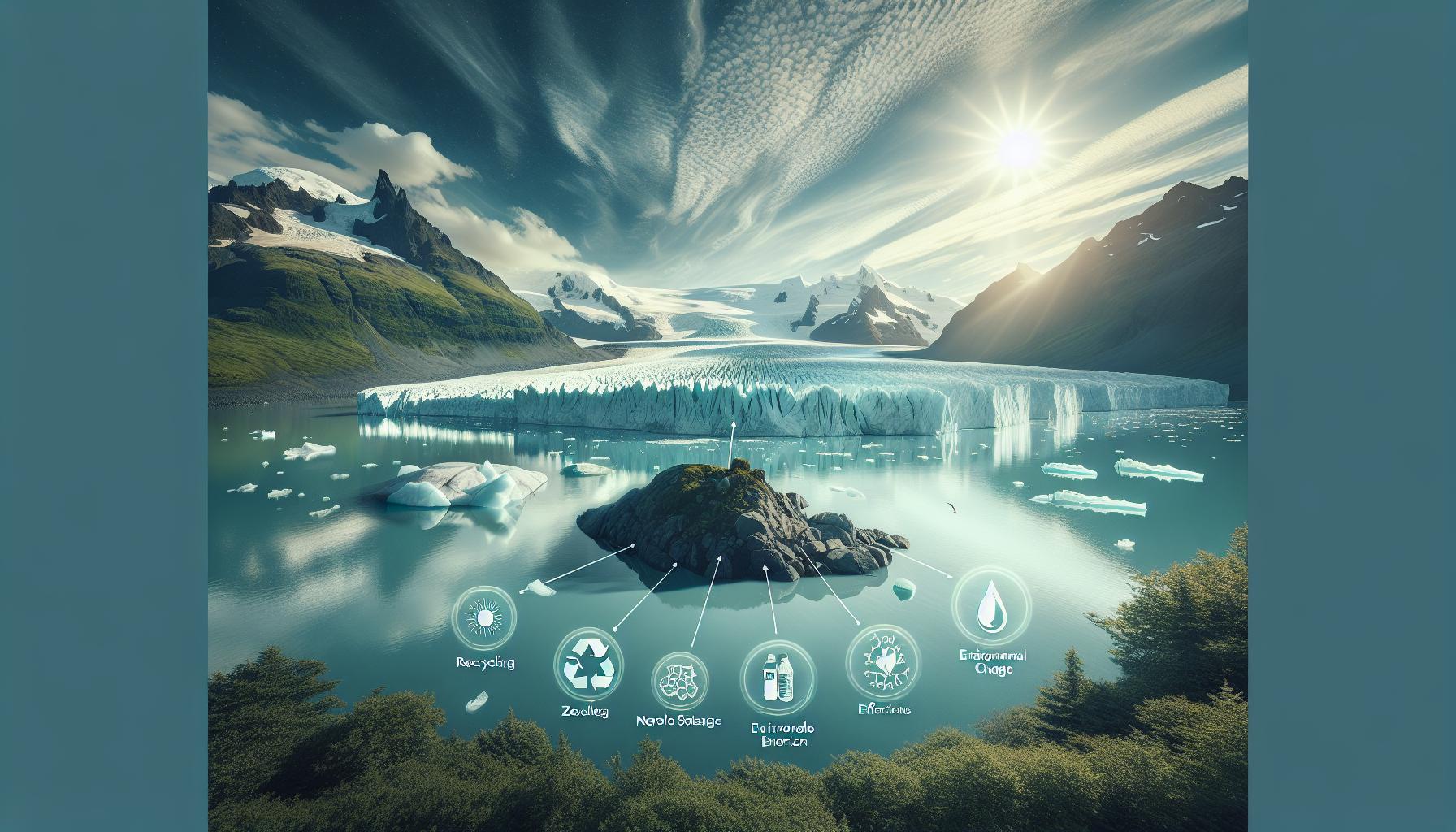
Understanding the Source: What is Glacier Water?
Glacier water, often perceived as a pristine resource, originates from the melting of glaciers, which play a critical role in Earth’s hydrological systems. As glaciers advance and retreat due to fluctuating temperatures and precipitation patterns, they carve valleys and deposit mineral-rich sediments, creating unique ecosystems. When these immense ice structures melt, they release freshwater that can be incredibly pure in its natural state. However, this process can also introduce contaminants from the surrounding environment, highlighting the need for a deeper understanding of this vital water source.
The quality of glacier water can significantly vary depending on several factors, including geographic location, altitude, and human activity. For example, glaciers located in remote areas are less likely to be affected by pollution compared to those near urban environments or agricultural lands. During warmer months, the melting process accelerates, leading to higher runoff that can pick up pollutants such as sediments, bacteria, and even microplastics from nearby developments or natural sources. This variability emphasizes the importance of assessing the specific glacier and its conditions before considering its water safe for consumption.
While glacial meltwater can appear crystal clear, it is crucial to remember that clarity does not guarantee safety. Pathogens such as Giardia and Cryptosporidium, which thrive in untreated water sources, can cause illness if ingested. Additionally, the minerals present in glacier water, such as calcium and magnesium, can contribute to unique flavors and health benefits, but they can also lead to excessive hardness if not balanced correctly. Understanding the mineral content of glacier water can help adventurers appreciate its potential effects and benefits on health.
In summary, glacier water is a complex resource shaped by natural processes and human influence. For those considering its use during their adventures, it is essential to evaluate the source, take necessary precautions for purification, and remain mindful of environmental impacts. By approaching glacier water with respect and knowledge, adventurers can safely enjoy the beauty and richness of these remarkable landscapes.
Health Risks of Drinking Untreated Glacier Water
Drinking untreated glacier water may seem like a refreshing option for adventurers seeking pure hydration, but it’s important to understand the potential health risks that come with this seemingly pristine resource. While glacial meltwater can appear crystal clear and untouched, it often harbors harmful pathogens and contaminants that can lead to serious illnesses.
One of the primary concerns associated with untreated glacier water is the presence of pathogens such as Giardia and Cryptosporidium. These microscopic parasites, found in many natural water sources, can enter glacial streams through animal feces or as wildlife interacts with the melting ice. Ingesting these pathogens can cause gastrointestinal illnesses, leading to symptoms like diarrhea, nausea, and abdominal pain. Additionally, heavy metals and toxins from the surrounding environment may leach into the meltwater, especially during warm months when runoff increases. As glaciers retreat, they can expose previously buried contaminants, further complicating the safety of the waters.
Moreover, while some minerals present in glacier water (like calcium and magnesium) contribute to its unique flavor and potential health benefits, excessive levels can lead to hard water, which may not be ideal for hydration or health in large quantities. Thus, while the allure of drinking from a pure glacier source is undeniable, taking precautions is essential for ensuring safety.
To mitigate these risks, adventurers should always purify glacier water before consumption. Investing in portable filtration systems or water purification tablets can provide an extra layer of protection against harmful impurities, allowing individuals to enjoy the beauty of these natural wonders without compromising their health. By being aware of the potential health risks and taking the necessary steps to ensure safe consumption, outdoor enthusiasts can responsibly enjoy the exhilarating experience of drinking glacier water while safeguarding their well-being.
How to Purify Glacier Water Safely
When adventurers find themselves near glacial waters, the temptation to drink directly from these seemingly pure sources can be overpowering. However, the reality is that fresh glacial meltwater often contains harmful microorganisms and contaminants that can pose serious health risks. Therefore, understanding how to properly purify glacier water is essential for anyone looking to enjoy this unique natural resource safely.
To ensure the safety of glacial water, it’s crucial to employ effective purification methods. Start by using a portable water filter, which can efficiently remove bacteria, parasites, and sediments. These filters typically use microfiltration or ultrafiltration technologies, allowing you to drink confidently. Brands like Sawyer and Katadyn offer lightweight, compact filters ideal for hiking and backpacking. Before using a filter, always check for any visible debris, and if the water appears muddy, pre-filter it using a cloth or bandana to prolong the lifespan of your filtering system.
In addition to mechanical filters, chemical purification methods can be used effectively. Water purification tablets, often containing chlorine dioxide or iodine, are practical for combatting pathogens in glacier water. Simply add the recommended number of tablets to the water, seal it, and wait for the advised period, typically around 30 minutes. It’s important to be cautious with chemical treatments, as some individuals may have sensitivities or allergies to iodine. For those seeking an alternative method, UV purification is an excellent option. UV light devices, such as the SteriPEN, eliminate harmful microorganisms by inactivating their DNA. Just stir the device in the water for a few minutes, and you’ll have safe drinking water.
Lastly, boiling the water is a foolproof and traditional method of purification. Bringing glacier water to a rolling boil for at least one minute will effectively kill most pathogens, including viruses, bacteria, and protozoa. This method requires the ability to carry a portable stove or a campfire setup, but it’s reliable, especially in survival situations.
By equipping yourself with the right purification tools and knowledge, you can safely enjoy the refreshing taste of glacial water without compromising your health. Embrace these practices as part of your outdoor adventures to ensure that your experience is not just exhilarating, but also safe and sustainable.
Comparative Safety: Glacier Water vs. Other Natural Sources
The allure of drinking glacier water, often perceived as pristine and pure, can be misleading. In reality, the safety of consuming glacier water compared to other natural sources is a complex matter that demands careful consideration. Both glacier water and other natural bodies of water, such as rivers and lakes, can harbor health risks; however, the specific dangers vary based on environmental factors, water source conditions, and contamination levels.
When comparing glacier water to river and lake water, one must consider that while glacier water originates from melting ice, which may seem clean, it can still contain bacteria, parasites, and other contaminants. The melting process can release pollutants trapped in the ice, and as water flows, it can pick up additional contaminants from its surroundings, including animal waste. Conversely, rivers and lakes often have established ecosystems that contribute to their microbiological makeup, which may include both harmful pathogens and beneficial organisms that can help break down pollutants. However, these sources can be susceptible to agricultural runoff, sewage leaks, and other environmental pollutants, which can introduce harmful substances into the water.
To contextualize the safety of different water sources, consider the effectiveness of purification methods. Both glacier water and surface water can be treated with similar purification techniques, such as boiling, chemical treatments, and filtration. Nonetheless, since glacier water is often crystal clear, outdoor enthusiasts may underestimate its potential to harbor dangerous microorganisms. Practical awareness is crucial; all-natural water should be treated as potentially unsafe unless proven otherwise. Thus, having a reliable water purification method available is vital when accessing any natural water source.
In addition, environmental changes related to climate change are significantly impacting glacial health and, subsequently, the quality of glacier water. Increased temperatures lead to accelerated glacial melting, which can disrupt the ecological balance and lead to more contaminants being released into the water. Consequently, adventurers should stay informed about local conditions and recent research affecting glacier and surface water quality, ensuring that their choices reflect the most up-to-date safety assessments.
Ultimately, while both glacier water and other natural sources can pose health risks, a comprehensive understanding of their unique attributes, potential contaminants, and necessary purification protocols will empower adventurers to make informed decisions. Carrying portable filtration systems and understanding the ecological impacts can enhance the outdoor experience while prioritizing safety and sustainability.
Environmental Concerns: Impact of Climate Change on Glaciers
The ongoing climate crisis significantly impacts our planet’s glaciers, which serve as crucial freshwater reserves and indicators of environmental health. Scientists have warned that the accelerated melting of glaciers not only raises sea levels but also disrupts local ecosystems and alters water quality, potentially affecting the safety of glacier water for human consumption. With rising global temperatures, many glaciers are retreating faster, threatening both biodiversity and the sustainability of water sources dependent on their meltwater.
As glaciers melt, the water they release can be compromised by various contaminants. Pollutants, previously trapped in the ice, are now being released back into the environment, which may include heavy metals, sediments, and other harmful substances. Moreover, as the ecology surrounding glaciers changes, this altered environment may introduce new pathogens that contaminate the water. An alarming development spurred by climate change, this contamination raises questions about the safety of taking glacier water directly without proper treatment. This means that adventurers should prioritize water purification, treating glacier water the same way they would any natural water source.
To mitigate these effects, a collective approach is essential. Individuals, communities, and governments need to take proactive steps to understand and address the climate issues affecting glaciers. For outdoor enthusiasts, this involves staying informed about local glacial conditions and participating in conservation efforts. Supporting policies aimed at reducing greenhouse gas emissions and advocating for sustainable practices can make a significant difference. Additionally, advocating for research on glacier health not only informs individual choices but also contributes to broader community awareness of environmental changes.
In conclusion, while glaciers are often viewed as pristine sources of water, the impacts of climate change underscore the need for caution. As adventure seekers venture into glacial regions, understanding these dynamics becomes increasingly crucial for ensuring both personal safety and environmental stewardship. By embracing sustainable practices and recognizing the interconnectedness of climate health and water safety, outdoor enthusiasts can enjoy nature while contributing to its preservation.
Essential Gear for Collecting Glacier Water
When you set out on an adventure to collect glacier water, having the right gear is essential not only for your safety but also for ensuring the water you obtain is as clean and fresh as possible. As pristine as glacier-fed streams may appear, the melting ice can harbor contaminants, making preparation key. Here’s a guide to equip yourself effectively.
Firstly, water collection containers should be at the forefront of your gear list. Opt for high-quality, food-grade materials such as BPA-free plastic or stainless steel. These materials not only help in avoiding leaching of harmful chemicals into your water but are also durable enough to withstand the rugged conditions associated with glacial environments. Bring along a collapsible or foldable bucket for easier access when you approach a water source. This flexible design allows for easy packing in your backpack.
In addition to collection containers, a multi-stage water filtration system is crucial. While many outdoor enthusiasts rely on UV purifiers, consider investing in a filter that can remove both microorganisms and chemical contaminants. Look for filters effective against protozoa, bacteria, viruses, and heavy metals that may have been released as glaciers melt. A portable filter pump or gravity-fed system can be particularly useful for purifying water on the go and allows multiple uses without frequent replacements.
Essential Accessories
Beyond the basics, auxiliary items enhance your water collection process. A water testing kit can determine the presence of specific contaminants, providing invaluable information before purification. Having personal protective equipment (PPE), such as gloves, ensures you maintain hygiene while collecting water, minimizing the risk of contamination from your hands.
Don’t underestimate the role of cold weather gear, especially since glacier environments often feature low temperatures and wet conditions. Insulated gloves and waterproof jackets can protect you during collection. Moreover, using a thermos to carry your purified water can ensure it stays cool or warm, encouraging hydration whether it’s hot or cold outside.
Keeping sustainability in mind, consider using a reusable water bottle equipped with a built-in filter for convenient hydration throughout your journey. This option allows you to collect glacier water on the trail while continuously having access to cleaner water, thus promoting responsible waste management by minimizing single-use plastics.
Equipped with these essentials, adventurers can responsibly enjoy the unique experience of collecting glacier water while minimizing environmental impact and ensuring their safety. Preparation and the right tools can turn a thrilling expedition into a safe and enriching experience.
Tasting Glacier Water: Flavor and Mineral Content
Glacier water is often lauded for its purity and crisp flavor, which many describe as a refreshing experience unlike any other. This distinctive taste originates from the mineral-rich environment of glacier-fed streams. As glaciers melt, they release not only pristine water but also a variety of minerals, such as calcium, magnesium, and potassium, which can contribute to the water’s unique flavor profile. Adventurers who are fortunate enough to sample this water directly from a glacial source often remark on its smooth quality, which contrasts starkly with more processed water options.
However, it is crucial to consider that while glacier water can be delicious, taste alone does not guarantee safety. Untreated glacier water can potentially carry harmful pathogens or contaminants picked up from surrounding environments. The mineral content can also vary significantly depending on the glacier’s geographical location and the geological composition of the area. As the ice melts, it interacts with the bedrock, leading to variations in the dissolved minerals that affect both taste and health safety. For outdoor enthusiasts, understanding these nuances is important for ensuring not only enjoyment but also well-being during their adventures.
To enhance the experience of tasting glacier water, adventurers should consider pairing it with food that complements its crisp flavor. Light foods, such as fresh fruits or salads, can highlight the refreshing nature of the water. Moreover, this engagement with local flavors fosters a deeper connection to the environment, encouraging a greater appreciation for these natural resources.
Finally, it’s vital for adventurers to recognize the environmental impacts of climate change on glacier water sources. As glaciers continue to retreat and diminish in size, the quantity and quality of glacier water could be compromised, making it essential to advocate for sustainable practices that protect these precious natural resources. Through conscious engagement with glacier water-by tasting, purifying, and minimizing our footprint-adventurers can enjoy the beauty of nature while also contributing to its preservation for future generations.
Legal Regulations: Is Collecting Glacier Water Allowed?
Collecting glacier water sounds enticing, especially when considering its famed purity and refreshing taste. However, the legal landscape surrounding the collection of this natural resource is nuanced and varies widely across regions and jurisdictions. In many protected areas, such as national parks, legal regulations often prohibit the removal of water from glaciers or other natural bodies of water. The underlying rationale is not only to conserve natural resources but also to protect ecosystems that rely on the delicate balance of these water sources.
Understand Local Regulations
Before embarking on an adventure that includes collecting glacier water, it’s essential to research the specific regulations of the area you are visiting. In places like Glacier National Park in the United States, for instance, policies are in place to safeguard both the environment and visitor safety. Often, the water systems within these parks are crucial habitats for native wildlife, and removing water can disrupt local ecosystems. Similarly, many U.S. states have regulations that restrict or forbid the collection of any natural water without proper permits or guidelines from local authorities, emphasizing the need for contact with regional park services or environmental organizations for clarity.
Consider Indigenous Rights and Cultural Perspectives
A crucial dimension to the discussion around collecting glacier water involves recognizing and respecting indigenous perspectives. Many Indigenous groups hold deep connections to their natural environments, encompassing glaciers and the water they produce, and often have their own traditional laws and values surrounding water collection and use. Engaging with local Indigenous communities, understanding their views, and honoring their practices can enrich the experience and support the sustainability of these natural resources.
Environmental Impact and Conservation Ethics
Commitment to environmental conservation should guide your decision-making when it comes to collecting glacier water. Even where it’s legally permissible, consider the ecological ramifications of extracting water. The effects of climate change are increasingly evident, with glaciers retreating and ecosystems under pressure. Therefore, advocating for responsible practices that demonstrate respect for these natural environments is paramount. Always consider leaving local resources untouched when possible, as this not only helps preserve biodiversity but also serves future generations by sustaining these vital water sources and habitats.
By understanding the legal frameworks governing glacier water collection, valuing Indigenous perspectives, and upholding strong ethical conservation practices, adventurers can cultivate a more responsible and respectful relationship with nature.
Cultural Perspectives: Indigenous Views on Glacier Water
Many Indigenous communities perceive glaciers not merely as sources of fresh water but as vital components of their cultural identity and spiritual heritage. For these communities, glaciers hold sacred value, representing a long history of connection to the land and the balance of ecosystems. This deep-rooted relationship illustrates the significance of glaciers as integral parts of both environmental and cultural landscapes, emphasizing the need for sustainable practices in managing these precious resources.
Indigenous knowledge systems, often referred to as Traditional Ecological Knowledge (TEK), offer unique insights into the health and management of glacier-fed water sources. These perspectives prioritize not just the scientific understanding of water ecosystems but also the cultural narratives and practices that have been passed down through generations. Engaging with local Indigenous communities can provide adventurers with invaluable information regarding the ecological significance of glaciers and the traditional methods of preserving their waters. Such interactions can foster respect for Indigenous rights and empower these communities in the stewardship of their natural resources.
As climate change accelerates glacial retreat, the impacts extend beyond environmental challenges; they also pose a threat to the way of life for many Indigenous peoples. The disruption of water sources affects traditional fishing, hunting, and crop systems, stressing the need for a collaborative approach to water management that respects Indigenous voices. It is essential for adventurers and outdoor enthusiasts to approach glacier water collection with an understanding of these dynamics, prioritizing dialogue and partnership with Indigenous communities to ensure that their practices and perspectives are respected.
In light of these considerations, adventurers should take extra measures to learn about and integrate Indigenous views when interacting with glacial environments. This not only enriches the outdoor experience but also contributes to the ongoing efforts to advocate for the protection and sustainable use of these crucial water resources for future generations. By honoring the wisdom of Indigenous cultures, we can foster a more holistic approach to environmental stewardship that benefits both people and the planet.
Adventure Preparation: Planning for Glacier Water Use
Planning an adventure in glacier regions offers a thrilling opportunity to witness the beauty of nature, but preparations must be meticulous, especially when it comes to utilizing glacier water. Knowing how to safely collect and use glacier water can greatly enhance your experience while minimizing the risk of health concerns. The key to a successful and safe adventure lies in understanding what glacier water is, recognizing its potential hazards, and employing effective strategies for safe consumption.
Before setting out, it is crucial to familiarize yourself with the characteristics of glacier water. This natural water source is formed from meltwater, which can carry sediments and microorganisms. While it may look pristine, untreated glacier water can harbor pathogens that lead to gastrointestinal illnesses. To mitigate these risks, adventurers should equip themselves with the right purification tools. Popular options include portable water filters and purification tablets that effectively eliminate harmful contaminants. Always keep these tools accessible to ensure you can treat the water as soon as you collect it.
Moreover, timing and location play significant roles in how to plan your water strategy. Optimize your glacier water collection by:
- Choosing the right time: Early morning is often best for collecting meltwater, as temperatures are cooler and the water is less turbid.
- Avoiding collection near human activity: Stay clear of areas used for camping or where waste may contaminate water sources.
- Identifying clear water flows: Seek out fresh and clear streams or runoff, which usually indicate lower bacterial loads and sediment.
Be mindful of local regulations regarding water collection. Some national parks and protected areas may restrict access or impose specific guidelines, particularly when glaciers are considered sacred or ecologically sensitive regions. Always check with local authorities or cultural representatives to ensure compliance and avoid unintended harm to these fragile environments.
Ultimately, a well-prepared adventurer not only works towards their personal hydration needs but strives to respect the natural beauty and cultural significance of glaciers. By integrating observation, awareness, and local knowledge into your planning, you’ll enhance both your adventure and your understanding of the ecosystems you are navigating.
Sustainable Practices for Adventurers and Nature Lovers
Adventuring in glacier regions is not only about the awe-inspiring scenery but also about engaging in responsible practices that safeguard these fragile ecosystems. As explorers tread softly on the earth, embracing sustainable habits becomes not just a personal commitment but a collective responsibility. Utilizing glacier water can enrich your outdoor experience, but it’s vital to ensure that our collection and consumption methods do not harm the pristine environments we cherish.
To minimize your ecological footprint while enjoying the beauty of glaciers, consider adopting the following sustainable practices:
- Leave No Trace: Always follow the Leave No Trace principles. This includes packing out waste, having respectful interactions with wildlife, and avoiding any actions that may disrupt the local ecosystem. Proper trash disposal methods ensure that we leave the wilderness better than we found it.
- Use Biodegradable Products: When collecting water or camping near glacier streams, choose biodegradable soaps and hygiene products to reduce pollution. Synthetic chemicals can have adverse effects on delicate aquatic habitats.
- Respect Indigenous Rights: Many glaciers hold cultural significance for Indigenous peoples. Understanding and respecting their rights and traditions around water collection is essential. Be open to learning from local communities about their relationship with the land and water.
- Optimize Water Usage: Before venturing out, calculate your expected water consumption to prevent unnecessary over-collection. This practice not only conserves water but also ensures you are mindful of the needs of the surrounding environment.
In addition to direct actions, advocating for policies that protect glacial environments can expand your impact. Join local conservation efforts, participate in clean-up drives, or support organizations dedicated to preserving natural waters. The cumulative effect of individual actions can lead to substantial positive changes in the fight against environmental degradation. As glaciers are increasingly affected by climate change, our conscious choices today can influence tomorrow’s outcomes for these spectacular landscapes.
Ultimately, responsible adventuring not only enhances personal experiences but also fosters a deeper connection with nature, encouraging others to follow suit. By prioritizing sustainability, adventurers can help protect glaciers and inspire a spirit of stewardship that will resonate for generations to come.
Frequently asked questions
Q: Is glacier water safe to drink?
A: Drinking glacier water is not inherently safe. It may appear pure but can harbor harmful microbes and pollutants. Always treat it properly using filtration or boiling methods to ensure it’s safe for consumption.
Q: What contaminants can be found in glacier water?
A: Glacier water can contain bacteria, viruses, sediment, and chemical pollutants. While it is a natural form of freshwater, the melting process can introduce contaminants from the surrounding environment. Always test and filter before drinking.
Q: How do I treat glacier water for safe drinking?
A: To treat glacier water, use filtration systems that eliminate bacteria and viruses, or boil the water for at least one minute. Portable UV purifiers are also effective for ensuring water safety.
Q: Can you drink directly from a glacier?
A: It is not advisable to drink directly from a glacier due to possible contamination. Always collect the water in a clean container and treat it before consumption to avoid health risks.
Q: What is the taste of glacier water?
A: Glacier water is typically very refreshing and crisp, with a cold, clean taste. This is due to its low temperature and purity, but remember that it may still contain harmful microorganisms.
Q: Why is glacier water considered freshwater?
A: Glacier water is classified as freshwater since it comes from the melting of snow and ice, which is a natural source. However, its purity must be verified before drinking, as it can contain various contaminants.
Q: When is the best time to collect glacier water for drinking?
A: The ideal time to collect glacier water is during the summer months when melting is at its peak. However, ensure that the collected water is at least a safe distance from potential contaminating sources like animal trails.
Q: What makes glacier water different from regular tap water?
A: Glacier water is often cleaner and naturally mineral-rich compared to regular tap water, which may contain additives like chlorine and fluoride. However, its safety depends on the treatment and source nuances. Always verify drinking safety in both cases.
Concluding Remarks
Thanks for joining us as we explored the safety of drinking glacier water-an essential consideration for any adventurer. Remember, being informed is crucial, so don’t hesitate to dive deeper into our related articles on water purification techniques and best practices for wilderness survival. If you’re still unsure about drinking glacier water, check out our comprehensive guide on assessing water sources, which can help solidify your understanding.
As you prepare for your next adventure, consider subscribing to our newsletter for expert tips and updates on outdoor safety. Your safety matters, and it’s always good to be prepared with the right knowledge. Join the conversation in the comments below-what are your thoughts on drinking glacier water? Share your experiences, and don’t forget to share this video with fellow adventurers. Stay safe and keep exploring!