Did you know that some people believe drinking glacier water can offer purification benefits, while others warn of hidden dangers? As climate change alters our planet’s ice reserves, understanding the reality behind consuming glacier water is more critical than ever. Is it a refreshing, pristine source of hydration, or does it pose health risks that we should consider?
This topic resonates with adventurers, environmentalists, and anyone curious about sustainable practices. While the allure of sipping from nature’s untouched sources is compelling, knowing the facts can help you make informed decisions about your water consumption. As we explore the myths and realities surrounding glacier water, we’ll uncover not only its potential benefits but also the importance of safeguarding our precious water resources for future generations. Join us as we delve into this intriguing conversation, bridging personal health with global responsibility. Your journey to understanding glacier water starts here.
Is Glacier Water Safe to Drink? Understanding the Risks
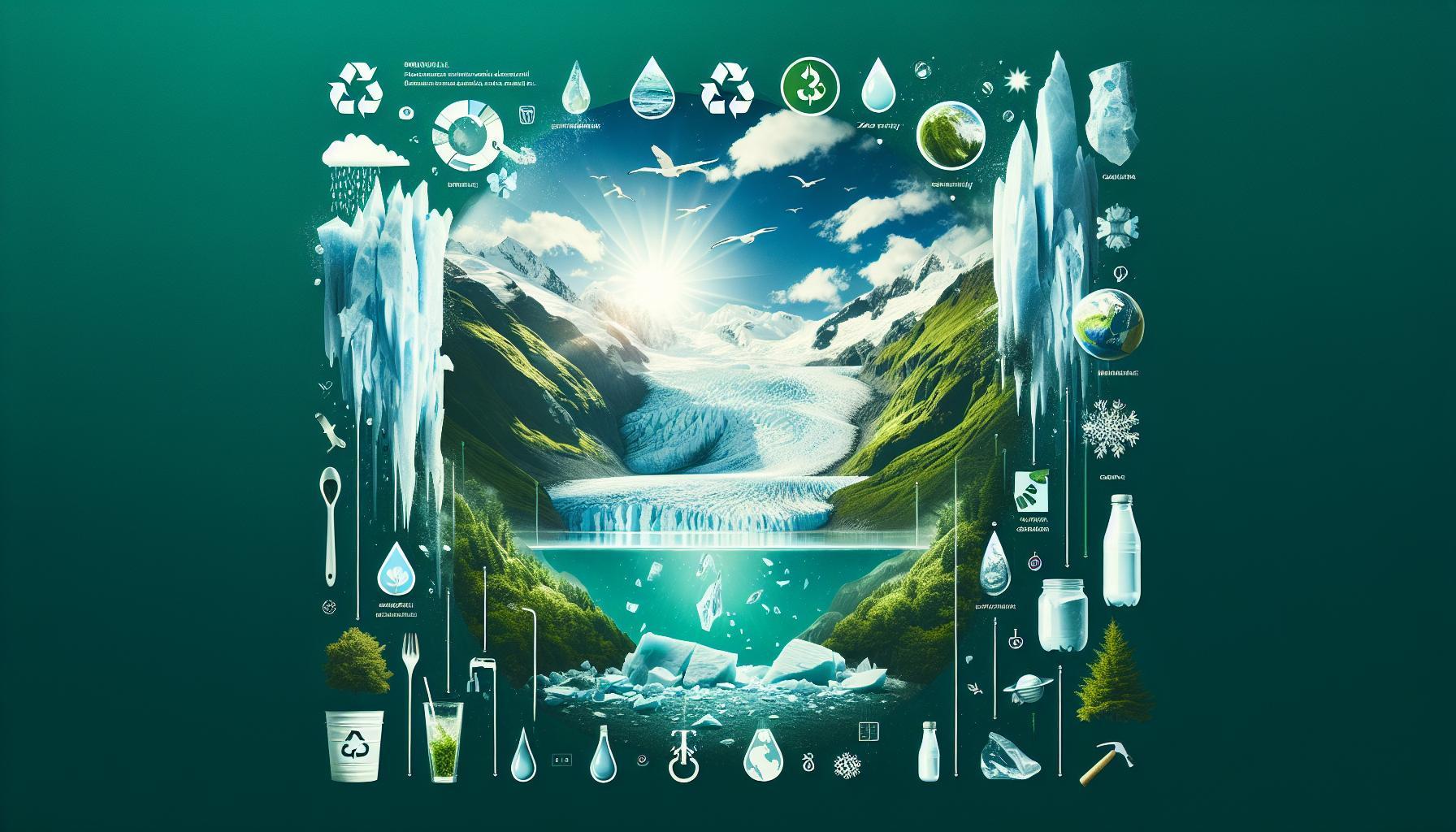
Imagine standing at the foot of a magnificent glacier, surrounded by the serene beauty of nature, and sipping water straight from a meltwater stream. It’s a scene that evokes purity and freshness. However, before you fill your bottle with glacier water, it’s crucial to understand the safety concerns associated with drinking it.
While glacier water is often perceived as pristine and free of contaminants, this isn’t always the reality. The risks largely stem from the environment that surrounds these icy formations. Glaciers can accumulate pollutants over decades, including heavy metals and microplastics, as they slowly melt. Additionally, as they recede due to climate change, more contaminants may be released into the water. Even in remote areas, wildlife feces can introduce pathogens, posing a risk to human health. Thus, while the allure of drinking glacier water is strong, the potential for harmful contaminants must be taken seriously.
Mitigating Risks
To enjoy glacier water safely, consider the following precautions:
- Research the Source: Always determine the location from where the glacier water is sourced. Areas near human activity, such as roads or villages, may have higher contamination risks.
- Filter and Purify: Use portable water filters capable of removing bacteria and viruses. Alternatively, boiling the water for at least one minute can effectively kill most pathogens.
- Test for Contaminants: If feasible, use water testing kits to check for chemical pollutants or bacterial presence before consuming.
It’s important to highlight the significance of local knowledge. Indigenous communities and local guides often possess invaluable insights about safe drinking sources in their regions, and their wisdom should be respected and sought after.
By understanding the realities behind glacier water-balancing its natural appeal with an awareness of potential risks-you empower yourself to make informed choices. This approach not only enhances your personal safety but also fosters a deeper respect for the fragile ecosystems that produce such beautiful, yet precarious, resources.
The Environmental Journey of Glacier Water

Glaciers are often referred to as “nature’s water towers,” vital not just for their stunning beauty but also for their role in our ecosystem and freshwater supply. As glaciers melt due to rising global temperatures, the water they release embarks on an environmental journey that impacts both nature and human communities. This journey begins with the unique geology of glaciers and extends to their profound environmental implications.
When snow accumulates over time, it compacts and transitions into ice, forming glaciers. As they gradually melt during warmer months, they generate meltwater, which feeds into rivers, lakes, and groundwater systems. This meltwater is often perceived as pristine, but the truth is more complex. During glacial formation and while they are stationary, glaciers can trap dust, microplastics, and heavy metals that eventually make their way into meltwater as the glacier retreats. This accumulation process demonstrates how intimately tied human impact and natural processes are, raising questions about the quality of water we may source straight from these ancient formations.
Understanding Contamination Sources
The rise in glacier melt not only introduces chemical pollutants into water systems but also creates a pathway for pathogens that can be harbored by wildlife in the surrounding areas. For instance, animals, including birds and mammals, might carry bacteria and viruses that contaminate the meltwater. Additionally, as human activities expand into previously remote environments, exposure to urban runoff and agricultural practices further exacerbates contamination risks.
While scientists and environmentalists highlight the fragility of these ecosystems, it’s crucial to discuss the role of community in monitoring and preserving the purity of glacier water. Local indigenous communities often possess deep cultural and ecological knowledge of their environments. Collaborating with these communities can lead to better management practices and sustainable development, ensuring that the water derived from glaciers remains safe not just for consumption but also for the environment.
Positive Initiatives for Preservation
Fortunately, numerous initiatives are underway to mitigate the impact of contamination and promote the sustainable harvesting of glacier water. Grounded in sustainability science, these projects focus on ensuring that meltwater is not only collected responsibly but also treated to remove potential contaminants before it is made available for consumption.
Moreover, many organizations are dedicated to researching glacier health, advocating for policies aimed at combating climate change, and emphasizing the importance of clean water availability for future generations. Actions such as advocating for reduced emissions, supporting renewable energy projects, and participating in local clean-up initiatives can ensure that is not only safe but also resilient against the threats posed by climate change.
In summary, the journey of glacier water from ice to drinkable resource is fraught with both challenges and opportunities. By understanding the processes involved, being mindful of contamination sources, and supporting ethical practices, we can all contribute to protecting this precious resource for ourselves and for the ecosystems that rely on it.
Debunking Myths About Drinking Glacier Water

Many people hold the belief that water sourced directly from glaciers is inherently pure and safe to drink. This perception, while rooted in the visual allure of glacier-fed streams, often overlooks the complex realities associated with glacial meltwater. Understanding these intricacies can help demystify common misconceptions about glacier water and encourage more informed choices when it comes to hydration.
A prevalent myth is that all glacier water is free from contaminants. In truth, glacial melt can carry a variety of impurities due to both natural and human influences. As glaciers melt, they can release not only minerals but also pollutants such as microplastics, heavy metals, and even pathogens that may reside in the surrounding ecosystem. Much to the surprise of many, recent studies have shown that even the most remote glaciers can exhibit traces of pollution, a testament to just how pervasive human impact can be.
Myth: Glacier Water is Always Pristine
While the picturesque imagery of crystalline streams flowing from ancient ice may evoke thoughts of pristine purity, it’s essential to acknowledge the realities of environmental contamination. Wildlife, urban runoff, and industrial activities can all contribute to the degradation of meltwater quality. As such, sourcing glacier water without proper filtration and treatment can pose health risks, contradicting the widespread belief of its safety.
Myth: Boiling Glacier Water Makes it Safe
Another common misconception is that boiling glacier water eliminates all contaminants. While boiling effectively kills most bacteria and viruses, it does not remove chemical pollutants or particulates that may be present in the water. Thus, while boiling is a recommended practice for disinfecting water, relying solely on this method is insufficient when dealing with potential chemical safety concerns.
Myth: You Can Easily Identify Safe Glacier Water
Some individuals believe they can determine the safety of glacier water by merely observing its appearance-clear, refreshing, and beckoning. However, this assumption can be misleading. Many harmful substances are tasteless and odorless, meaning that visual inspection alone fails to provide true assurance of water safety. Testing for contaminants in a lab is the most reliable method of ensuring that glacier water is safe to drink.
In light of these myths, it’s crucial for adventurers and consumers to approach glacier water with a critical mindset. Knowledge is an empowering tool that can drive positive change and promote responsible consumption. Whether you’re hiking in the wilderness or considering bottled glacier water, always prioritize safety by seeking out information, using proven filtration methods, and supporting sustainable practices in glacier water harvesting. By doing so, you can help protect both your health and the integrity of these delicate ecosystems.
Nutritional Benefits of Glacier Water Consumption

The allure of glacier water extends beyond its stunning beauty; it is often regarded as a source of exceptional hydration and beneficial nutrients. Many people swear by its crisp taste and claim various health benefits, suggesting that glacier water can offer essential minerals and superior hydration compared to regular tap water. While it’s crucial to approach glacier water consumption with caution, understanding its nutritional profile can be enlightening.
Glacier water typically contains a diverse array of minerals due to the natural filtration processes it undergoes as it flows through rock and sediment. This mineral content can include calcium, magnesium, potassium, and trace elements like silica, each contributing to overall health and wellness. For instance, magnesium helps with muscle function and energy production, while silica is known for its potential benefits in skin health and collagen formation. These nutrients can be particularly helpful for those looking to enhance their hydration strategy, making glacier water appealing for athletes and health enthusiasts who seek natural sources of hydration.
Moreover, many believe that the unique minerals present in glacier water can aid in recovery from physical exertion. Upon consumption, they may help replenish essential electrolytes lost through sweat, supporting optimal hydration and overall bodily function. People engaging in outdoor activities like hiking, skiing, or mountaineering often appreciate access to glacier water, viewing it as a refreshing and revitalizing option.
However, it’s important to be mindful of the potential risks associated with glacier water consumption. While it can offer some nutritional benefits, humans need to be aware that environmental contamination can affect the quality of the water. Thus, it is essential to ensure that any glacier water consumed is sourced responsibly, ideally from regulated and tested sources. This balance between enjoying the refreshing taste and potential benefits of glacier water, and understanding the importance of safety and sustainability, is paramount in making informed choices about hydration.
How Glacier Water is Filtered Naturally
The natural filtration process that glacier water undergoes is one of the most impressive aspects of this captivating resource. As glacier ice melts, the resulting water travels through various geological formations, effectively filtering out impurities and contaminants along the way. This journey typically involves layers of rock and sediment, which serve to cleanse the water of many unwanted particles. The unique landscape contributes not only to the clarity of the water but also to its mineral richness, enhancing its appeal for those seeking a healthy hydration option.
Natural Filtration Process
When glacier water flows down from its source, it enters streams and rivers, where it interacts with the surrounding environment. This journey can include several stages:
- Glacial Ice Melt: As the glacier melts, the water is initially clean, derived from snow and compacted ice without significant pollutants.
- Rock Interactions: As the water flows over and through rocks, it absorbs essential minerals such as calcium, potassium, and magnesium, further enriching its nutrient profile.
- Natural Settling: The movement of water promotes sediment settling, where heavier particles drop to the bottom, leaving the water clearer as it travels downstream.
- Microbial Filtration: Microbial communities in the soil can aid in breaking down organic material, contributing to further purification of the water.
This natural filtration process highlights the importance of geographical and environmental factors that contribute to the water’s quality. However, it is crucial to note that while glacier water’s natural filtration can yield pure drinking options, human activities and climate change can disrupt these ecosystems. For example, increased tourism in glacial regions may result in waste runoff or pollutants entering nearby water sources.
Preserving Water Quality
To ensure that the glacier water sourced is safe for consumption, it is essential to consider several factors before drinking:
- Source Monitoring: Research where the glacier water comes from and whether it is tested for contaminants regularly.
- Environmental Considerations: Stay informed about the local environmental policies and practices that protect glacial ecosystems.
- Local Expertise: Engage with local authorities or organizations that focus on the health of water sources to gain insight into safe consumption practices.
By understanding how glacier water is naturally filtered and acknowledging the potential risks associated with environmental changes, consumers can make informed decisions about their hydration choices. Supporting responsible sourcing and engaging in sustainable practices not only benefits personal health but also plays a vital role in community and environmental preservation. As stewards of the planet, we can inspire each other to look after these precious resources, ensuring future generations continue to enjoy the beauty and quality of glacier water.
Comparing Glacier Water and Tap Water Quality
Glacier water is often heralded as one of the purest forms of natural hydration available, but how does it truly stack up against the more commonplace tap water that many people consume daily? While both glacier water and tap water can be sources of hydration, significant differences in their origin, composition, and cleanliness merit a careful comparative analysis.
One of the most notable distinctions lies in the natural processes that each type of water undergoes before reaching the consumer. Glacier water, as discussed previously, is naturally filtered as it flows through geological formations, picking up beneficial minerals like calcium and magnesium while impurities are largely cleared away in the process. In contrast, tap water typically undergoes a more artificial purification system involving chemicals such as chlorine and fluorine, as well as reverse osmosis or other filtration methods. While these processes are effective in disinfecting water, they sometimes leave behind unwanted byproducts, which can adversely affect taste and potential health implications when consumed over a long period.
Water Quality Comparison
Several factors influence the overall quality of glacier water compared to tap water:
- Mineral Content: Glacier water generally boasts higher concentrations of natural minerals, which may offer additional health benefits such as improved bone and muscle health. Tap water mineral content can vary widely based on geographical location and local plumbing systems.
- Contaminants: While glacier water is less likely to contain industrial pollutants, it is not exempt from contamination, especially from increased human activity near glacial areas. Tap water, regulated by municipal systems, must meet safety standards, yet it can still contain trace amounts of heavy metals or contaminants due to aging infrastructure.
- Taste and Smell: Many consumers prefer the crisp, clean taste of glacier water compared to the sometimes metallic or chlorinated flavor of treated tap water. This preference can significantly influence hydration habits and choices.
- Environmental Impact: The sourcing of glacier water often raises sustainability concerns, as excessive extraction can lead to local ecosystem disturbances. Tap water tends to have a more stable supply chain, although conservation practices are essential to ensure responsible use.
Understanding the intricate differences between glacier water and tap water empowers consumers to make informed choices that align with their health goals and environmental values. Although both options can be safe, the decision ultimately hinges on individual preferences, the specific context of local water quality, and broader environmental considerations.
By practicing informed consumption and advocating for the protection of both glacial and municipal water sources, we can help preserve these invaluable resources for future generations.
What to Look For in Bottled Glacier Water
When considering bottled glacier water, the source and bottling practices are paramount. Many people are drawn to the idea of glacier water due to its pristine reputation and purported health benefits. However, not all bottled glacier water is created equal, and being vigilant about what you choose is essential to ensure both quality and sustainability.
To start, check the label for the source. Genuine glacier water should clearly list the specific glacier or region from which it originates. Transparency in sourcing is critical, as some products may market themselves misleadingly. An example of reputable glacier water is that sourced from renowned glaciers in areas like Alaska or Iceland, where environmental protections are robust.
Next, consider the filtration and bottling processes. Understanding how the water is treated before bottling can give you insights into its purity and mineral content. Prefer brands that utilize minimal processing methods and preserve the natural composition of the water. Look for certifications that indicate adherence to health and safety standards. Some brands may also undergo third-party testing to verify their claims, adding an extra layer of trust.
Another key aspect to examine is sustainability practices. The extraction of glacier water can significantly impact the local ecosystem if not managed responsibly. Opt for companies that prioritize ethical sourcing, such as those engaging in sustainable harvesting practices or supporting conservation projects in their source locales. This not only ensures the purity of the water but also protects the fragile glacial environments.
Lastly, consider the packaging. Opt for brands that use environmentally friendly materials, such as recycled or recyclable bottles. The plastic waste associated with bottled water can be substantial, so choosing brands that minimize their environmental footprint is essential for conscientious consumption.
Making informed choices about bottled glacier water involves a bit of research but can lead to a more satisfying and responsible drinking experience. Whether for hydration or health benefits, selecting the right product can contribute positively to individual health and environmental sustainability.
Sustainable Harvesting: Ethics of Glacier Water
The sheer beauty of glaciers, with their towering ice formations and stunning blue hues, captures the imagination of many. However, behind this captivating scenery lies a significant ethical concern regarding the harvesting of glacier water. As the demand for clean drinking water rises, the sustainability of extracting this visually stunning resource has become more critical than ever. Understanding the ethics of glacier water harvesting can help consumers make informed choices and support practices that protect our planet.
Sustainable harvesting refers to the practice of extracting resources in a way that does not diminish their availability for future generations. When it comes to glacier water, responsible companies implement methods that prioritize environmental health, ethical practices, and community well-being. Here are key considerations to keep in mind:
- Source Verification: Ethical companies will provide transparent information about the specific aquifer or glacier from which the water is sourced. These operations typically monitor the glaciers’ health and assess the impact of extraction on the surrounding environment.
- Reduced Footprint: Sustainable practices involve limiting the volume of water extracted to prevent disruption of local ecosystems. Companies should employ practices such as controlling the timing of extraction to avoid sensitive breeding seasons for nearby wildlife.
- Community Engagement: Responsible firms engage with local communities, valuing their input and addressing their needs. Ensuring that local populations benefit from the water’s economic value can promote sustainable development and environmental stewardship.
- Conservation Initiatives: Many ethical companies commit a portion of their profits to support environmental conservation projects or to fund research on glacier health. This creates a positive feedback loop that encourages both resource preservation and public awareness.
Moreover, the impact of climate change on glaciers cannot be overstated. As glaciers recede, the delicate balance between human consumption and environmental sustainability becomes increasingly precarious. Awareness is key; consumers can amplify their voices by choosing products from companies that prioritize sustainability, thus fostering a greater commitment among businesses to uphold ethical practices.
Ultimately, the ethics of glacier water harvesting are intricately tied to the broader dialogue about water conservation and climate change. By making conscious choices and actively supporting sustainable practices, individuals can contribute to the healthy stewardship of these majestic natural formations. Engaging with the issue not only promotes responsible environmental practices but also ensures that future generations can enjoy the beauty and purity of glacier water sustainably.
Local Regulations and Safety Standards
The quest for pure, fresh drinking water is a concern shared globally, and understanding the surrounding glacier water is paramount for consumers making informed choices. Each region that harvests glacier water has its own set of guidelines and protocols designed to protect both the environment and public health. These regulations vary widely, influenced by local governance, environmental policies, and community values.
Understanding Local Standards
Each state or country may implement different safety standards to ensure that glacier water is safe for consumption. Generally, these regulations encompass a range of areas, including water quality testing, sourcing practices, and labeling requirements. Here’s what you should consider:
- Water Quality Testing: Reputable companies comply with local health regulations, which often necessitate regular testing of the water for contaminants such as heavy metals, bacteria, and particulates. These tests are crucial to maintain high safety standards and ensure that the water is not only pure but also safe to drink.
- Harvesting Licenses: Many regions require permits for anyone to extract glacier water. This process includes an assessment of the ecological impact of water extraction, helping to balance human needs with environmental conservation.
- Labeling and Transparency: Legislation often mandates that bottled glacier water clearly indicate its source. This allows consumers to trace the origin of their water, leading to more informed purchasing decisions. Transparency builds trust and informs customers about the environmental practices of the company.
Safety Standards in Practice
To exemplify these regulations, consider the example of Norway, where glacier water is often sold commercially. Norwegian law mandates rigorous testing for microbial contamination, as well as geological assessments of the aquifers tapped for water extraction. The regulatory body responsible for these standards ensures that local ecosystems are protected and that extraction does not adversely affect the surrounding environment.
Conversely, in regions where glacier water harvesting may be less regulated, consumers should exercise caution. Researching brands and seeking those adhering to best practices can minimize risks commonly associated with less scrupulous companies. Engagement with local advocacy groups can also empower consumers to influence policy changes that enhance safety standards around glacier water.
By prioritizing companies that are transparent about their sourcing, adherent to safety protocols, and committed to environmental sustainability, consumers can enjoy glacier water with peace of mind. Sustained efforts to uphold safety and environmental standards will not only protect public health but also preserve the integrity of our natural water sources for generations to come.
The Impact of Climate Change on Glacier Water
The future of glacier water, often touted for its purity and pristine nature, is increasingly threatened by climate change. As temperatures rise globally, many glaciers are retreating at alarming rates, leading to significant fluctuations in water availability and quality. This loss of glaciers not only affects ecosystems and biodiversity but also poses concerns for human consumption of glacier water. For individuals drawn to this natural resource for its taste and perceived health benefits, it is essential to understand the implications of climate change on this once-abundant source.
Recent studies illustrate the dramatic retreat of glaciers in various regions, with some losing up to 80% of their mass over the past century. This melting disturbs the natural filtration processes that typically purify glacier water. In addition, as glaciers melt, they can release sediments and pollutants trapped within the ice, potentially compromising water quality. For instance, heavy metals and microplastics have been found in samples of glacier meltwater, highlighting a growing concern for those considering drinking glacier water directly from sources.
To combat these issues, some communities and companies are implementing sustainable water harvesting practices aimed at minimizing environmental impact. This includes restoration efforts for local ecosystems and investments in technology to better analyze water quality before bottling. Engaging in these methods helps ensure that consumers can continue to enjoy glacier water responsibly while also raising awareness about the ongoing impacts of climate change. Education and community involvement are crucial; consumers can advocate for brands that prioritize environmental sustainability and transparency in their practices.
Ultimately, while drinking glacier water can be an appealing choice, the changing landscape requires individuals to make informed decisions. By being aware of the effects of climate change and supporting sustainable practices, consumers play a vital role in preserving glacier water for the future and ensuring it remains a viable resource for generations to come.
Travel Tips for Enjoying Glacier Water Safely
Traversing the stunning landscapes where glaciers dwindle and melt can offer breathtaking views and the allure of pure, natural glacier water. However, enjoying this pristine resource safely requires more than just an adventurous spirit. Understanding the challenges and risks associated with glacier water, especially regarding its purity and sustainability, is crucial to ensure your experience is both enjoyable and responsible.
When in the presence of glacier water, always consider the source. Fresh glacier meltwater may be visually appealing, but it can harbor contaminants from the surrounding environment. Many experts recommend conducting a simple observation before tasting or collecting glacier water. Look for visible signs of pollution-this could include debris, discoloration, or unusual scents. If you’re uncertain about the safety of the water directly from a glacier, it’s advisable to treat it, either through boiling, filtering, or using purification tablets. These methods can significantly reduce the risk of waterborne pathogens that may not be immediately visible.
Best Practices for Collecting Glacier Water
- Choose Remote Areas: Opt for less-accessible glaciers to reduce the likelihood of pollution from human activities.
- Filtration: Use a portable water filter specifically designed to remove contaminants commonly found in glacial runoff.
- Prefer Running Water: Collecting from flowing meltwater streams is safer than standing pools, which can accumulate sediments and organisms.
- Be Environmentally Conscious: Always follow Leave No Trace principles, ensuring minimal impact on the natural environment during your visit.
While the charm of glacier water might attract you to drink directly from its source, it’s imperative to remain informed about the environmental impact of your actions. Before filling your bottles, consider supporting local initiatives that promote glacier preservation and sustainable harvesting. Learning about the significance of the glacial ecosystem can deepen your appreciation for its beauty while encouraging responsible tourism. Participate in educational programs or guided tours that emphasize sustainability and respect for these natural wonders.
Remember, the journey to enjoying glacier water safely extends beyond just personal gratification; it’s also about being a conscientious traveler who advocates for the preservation of these vital resources for future generations. Immerse yourself not only in the adventure of drinking glacier water but also in the commitment to protect it.
Personal Stories: Experiences with Glacier Water Drinking
Amidst the rugged beauty of glacier landscapes, countless adventurers have ventured forth to get a taste of the pure, icy waters that seem to flow straight from nature’s tap. Many individuals share heartwarming and transformative stories about their experiences with glacier water, each reflecting the unique allure and challenges it presents. These narratives often blend personal adventure with invaluable lessons about purity, sustainability, and our relationship with the environment.
One such story comes from Sarah, a seasoned hiker who recently trekked to a remote glacier in Alaska. Armed with her portable filter, she decided to collect glacier meltwater after a long day of exploration. The experience was exhilarating; as she tasted the water, she was struck by its crisp, refreshing quality. However, Sarah learned the hard way the importance of thorough purification when she later developed a mild stomach illness. After discussing her experience with local experts, she realized that even seemingly pristine water sources can harbor unseen contaminants. This encounter prompted her to become an advocate for responsible water collection, sharing tips on her blog and encouraging others to prioritize filtration over the thrill of drinking directly from the source.
Similarly, Mark, an environmental scientist, documented his journey through the Canadian Rockies, where he carefully observed glacial sources. He emphasizes the importance of understanding local ecosystem dynamics. “I was overwhelmed by the importance of these glaciers as freshwater reserves,” he recalls, “but I also witnessed the impact of climate change on their health.” Mark notes that as temperatures rise, the purity of the meltwater can diminish, making it critical for water enthusiasts to recognize how their actions today affect these environments. He now engages with communities near glacial areas, promoting education on the sustainable harvesting of glacier water and the inherent risks involved.
Through these experiences, it becomes clear that drinking glacier water is more than a refreshing experience; it’s an opportunity to connect with nature while fostering a sense of responsibility towards it. Travelers are encouraged to share their tales and insights, as personal stories not only enrich our understanding but also inspire collective action. By learning from one another and promoting ethical practices, we can ensure that future generations will also be able to enjoy the crystalline purity of glacier water safely and sustainably.
In recounting both the joys and challenges of these personal encounters, it’s evident that while glacier water can be a delightful and hydrating choice, the overarching takeaway is to approach it with respect and knowledge, fortifying our connections to nature while advocating for its protection.
Faq
Q: Is it safe to drink glacier water?
A: Yes, drinking glacier water can be safe, but it depends on the source and its water quality. Untreated glacier water may contain harmful bacteria and pollutants. It’s essential to filter or boil the water before consumption to ensure safety. For more information on filtration methods, check our section on water purification.
Q: What are the common myths about drinking glacier water?
A: A common myth is that all glacier water is pure and safe. In reality, contaminants can occur due to climate change and pollution. Another myth is that boiling is enough; while it kills bacteria, it doesn’t remove heavy metals or chemicals. Understanding the facts is crucial for safe consumption.
Q: Can you drink glacier water directly from the source?
A: Drinking glacier water directly from the source is not advisable without proper treatment. Even pristine-looking water can harbor microorganisms or pollutants. Always use purification methods like filtration or UV treatment before consumption to avoid health issues.
Q: How can I purify glacier water for drinking?
A: To purify glacier water, consider using a portable water filter or boiling it for at least one minute. Chemical purifying tablets can also be effective. Always ensure your chosen method can remove bacteria, viruses, and heavy metals for the safest drinking experience.
Q: What should I know about the environmental impact of drinking glacier water?
A: Sustainable practices are important when drinking glacier water. Overharvesting can threaten fragile ecosystems. Always source water responsibly and avoid disturbing natural habitats. For more details on environmental impacts, see our section on responsible water sourcing.
Q: Are there health risks associated with drinking glacier water?
A: Yes, potential health risks include exposure to pathogens, heavy metals, and pollutants. Poorly managed glacier sources can introduce harmful bacteria or chemicals. Always test and treat glacier water before drinking to mitigate these risks effectively.
Q: How does climate change affect the safety of glacier water?
A: Climate change impacts glacier water safety by increasing the likelihood of contamination. Melting glaciers can release stored pollutants and alter water chemistry. Being aware of these changes is crucial for safe consumption and sustainable resource management.
Q: What are the benefits of drinking glacier water?
A: Drinking glacier water can offer unique minerals that contribute to hydration and health. It’s often perceived as fresher and purer than tap water. However, ensure that it is treated properly to maximize benefits while minimizing risks. For detailed assessments, refer to our benefits section.
Wrapping Up
As we’ve explored, the question of whether it’s safe to drink glacier water involves more than just a simple answer. Understanding the myths versus the facts is crucial for making informed and sustainable choices about our water sources. While glacier water can be pure, it’s essential to consider the environmental impacts and potential contaminants. Remember, your health and the planet’s well-being are interconnected!
To deepen your knowledge, check out our articles on “Sustainable Water Practices” and “How to Safely Access Natural Springs.” These resources will empower you to make responsible choices and stay informed. Don’t forget to subscribe to our newsletter for the latest insights and tips on environmental conservation.
We’d love to hear your thoughts! What experiences do you have with natural water sources? Share your comments below, and let’s keep the conversation going about how we can enjoy nature responsibly while protecting our precious resources. Explore our site further to discover more about sustainable living and enjoy the journey to a healthier planet!
Get our latest guides, news, and insights highlighted in your Google Search & AI Overviews.